Philippine inflation tops estimates on pricier food, fuel
Higher rice and vegetable prices drove up the headline figure after monsoon rains triggered widespread flooding that destroyed farms.
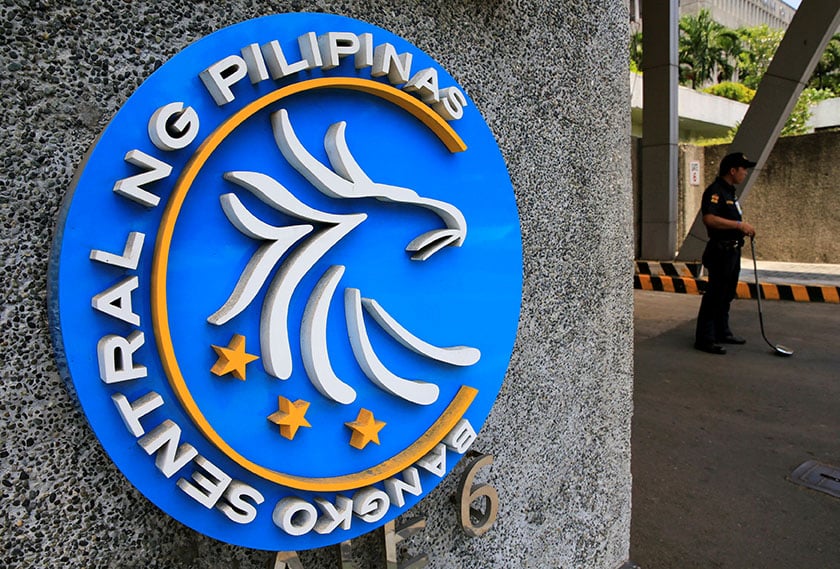
Manila, Philippines experienced higher-than-expected inflation in September, surpassing economists' predictions. The Consumer Prices Index rose by 7.2% compared to a year ago, marking a break in the recent deceleration. This marks the first time inflation has exceeded the central bank's 3% target since the Iran war sparked global energy supply shocks and oil price surges.
Rising food and fuel prices were primarily responsible for the increase, with monsoon rains causing significant crop damage and global oil prices climbing due to Middle Eastern conflicts. The central bank, which has raised its policy rate by 75 basis points since April, is likely to continue tightening monetary policy. Governor Eli Remolona highlighted potential risks from the El Nino weather effect and wage hikes.
The next policy decision is set for October 22. The inflation surge has led to a slight decline in the benchmark stock index and a weakening peso against the US dollar, further dampening consumer spending. The Philippines, already grappling with slower growth in the second quarter, now faces heightened inflation risks that may slow economic activity.
Written by urgent.news from Free Malaysia Today's reporting — not their text. Machine-written — may contain errors; check the original before relying on it.
This story
This is one outlet's version. Read the fullest account.
- Philippine inflation tops estimates on pricier food, fuel freemalaysiatoday.com