Oil's new problem is logistics, not supply
MIDDLE East crude exports recently climbed to their highest levels since the start of the Iran war as more Gulf producers resume transit through the Strait of Hormuz —despite the continued threat of Iranian attacks. Yet oil prices remain stubbornly elevated, suggesting logistical problems are proving as disruptive as outright supply losses.
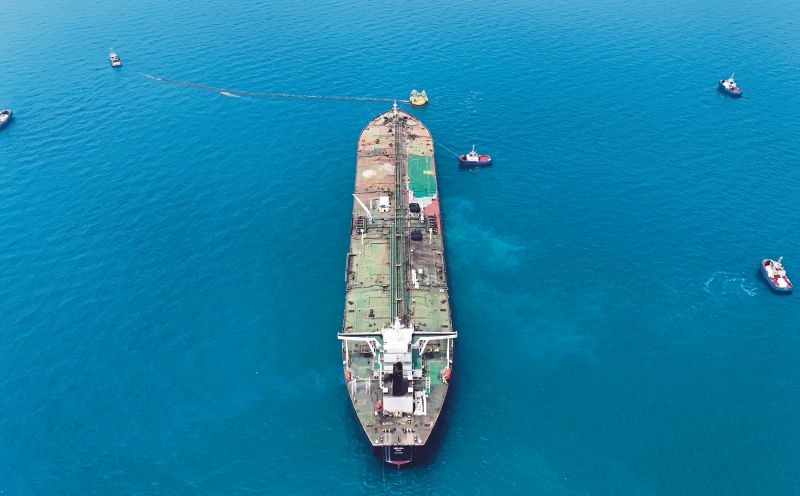
Crude oil exports from the Middle East recently reached their highest levels since the Iran conflict began, despite ongoing threats from Iranian attacks. Volumes flowing through the Strait of Hormuz averaged 14.2 million barrels per day over a seven-day period on September 26, nearing 80% of pre-war levels. However, high oil prices persist, indicating that logistical issues are causing disruptions similar to outright supply shortages.
While crude flows have since declined, they are expected to be revised upward as ships often disable tracking systems while passing through the strait. This trend highlights the fact that more crude is successfully navigating the strait. But why is Brent still trading above $100 per barrel? The answer lies in logistics. The global oil industry, once a well-oiled machine, has become increasingly disrupted due to record-high tanker rates, soaring insurance costs, and a severe shortage of refining capacity.
The Middle East conflicts have further fractured this model, creating bottlenecks across the energy supply chain. Even as crude supply constraints ease, consumers may continue to face persistently high energy costs due to these logistical challenges.
Written by urgent.news from New Straits Times's reporting — not their text. Machine-written — may contain errors; check the original before relying on it.