Nobel physics prize goes to the man who turned South Pole ice into a neutrino trap
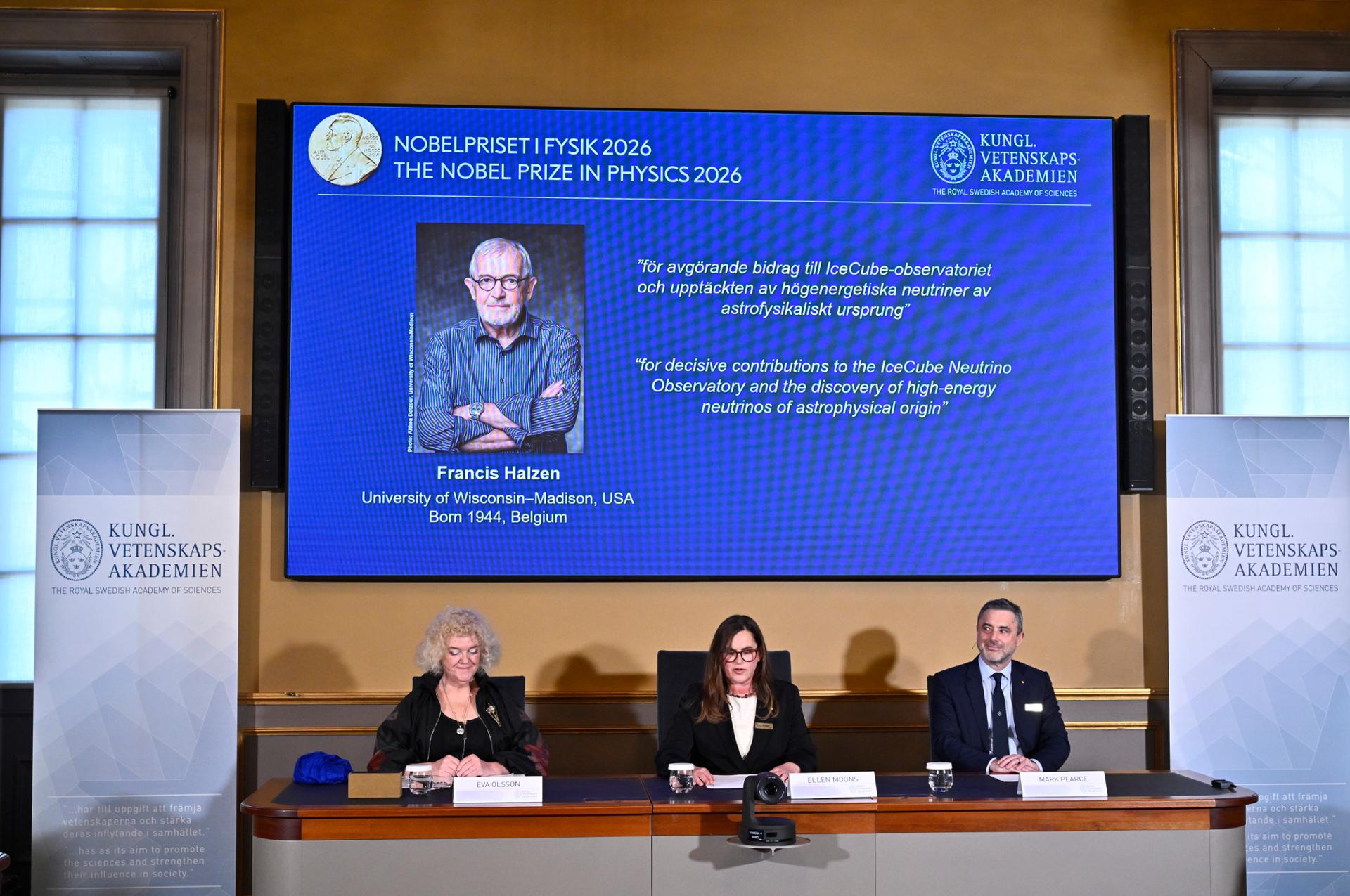
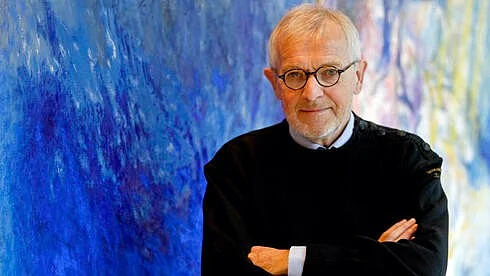
STOCKHOLM, Oct 6 — Belgian physicist Francis Halzen on Tuesday won the Nobel physics prize for groundbreaking work...
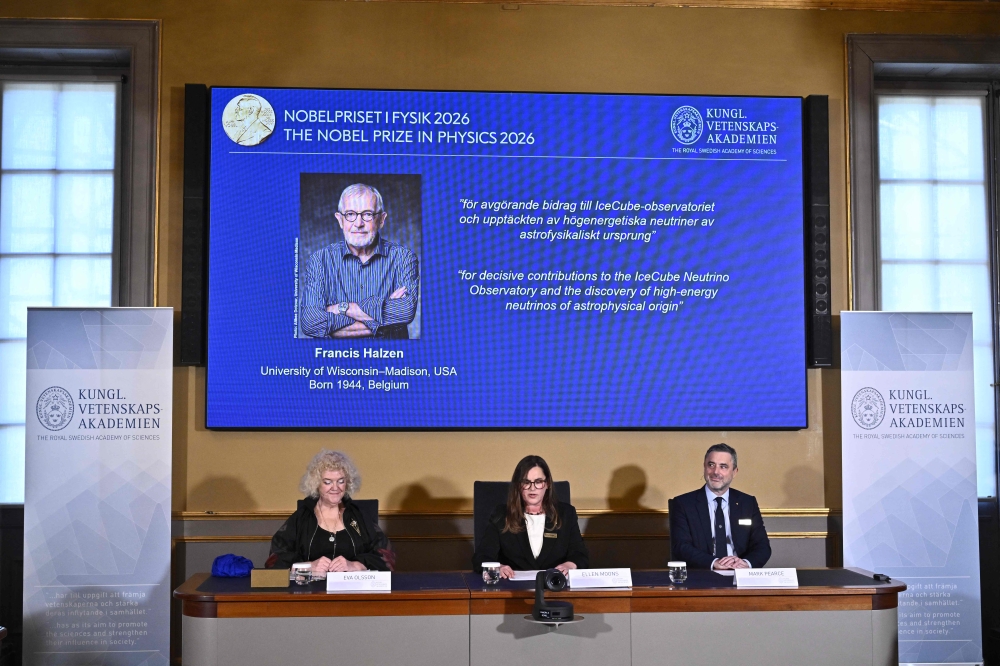
Belgian physicist Francis Halzen won the 2026 Nobel Prize in Physics for his pioneering work using South Pole ice to detect high-energy neutrinos originating from distant cosmic events. The Royal Swedish Academy of Sciences cited his "decisive contributions to the IceCube Neutrino Observatory" and the discovery of astrophysical neutrinos as the reason for his award.
Halzen, 82, expressed surprise and delight at receiving the prestigious honor, which will be shared with two other laureates. The IceCube Observatory is a cubic kilometer of ice equipped with light sensors that can capture neutrinos from extremely energetic processes in the universe. These ghostly particles provide insights that cannot be obtained through other means, as they travel through space without changing direction or losing energy.
Halzen's idea for the observatory was first proposed in 1988, and the project was completed in 2011. He emphasized the importance of the courageous individuals who supported his vision at the project's inception.
Written by urgent.news from Malay Mail's reporting — not their text. Machine-written — may contain errors; check the original before relying on it.
Also reported by 4 other outlets
- Nobel physics prize honours work on ‘ghostly messengers’ from outer space citizen.co.za
- Nobel physics prize honours work on 'ghostly messengers' from outer space thelocal.se
- Nobel physics prize honours work on ‘ghostly messengers’ from outer space torontosun.com
- What the 2026 Physics Nobel winner has done: Capturing messengers from space in ice indianexpress.com