Middle East war sharpens focus on ASEAN energy security plans
Southeast Asian energy ministers meeting in Manila are expected to review regional fuel-security measures as the US-Israeli war against Iran drags on.
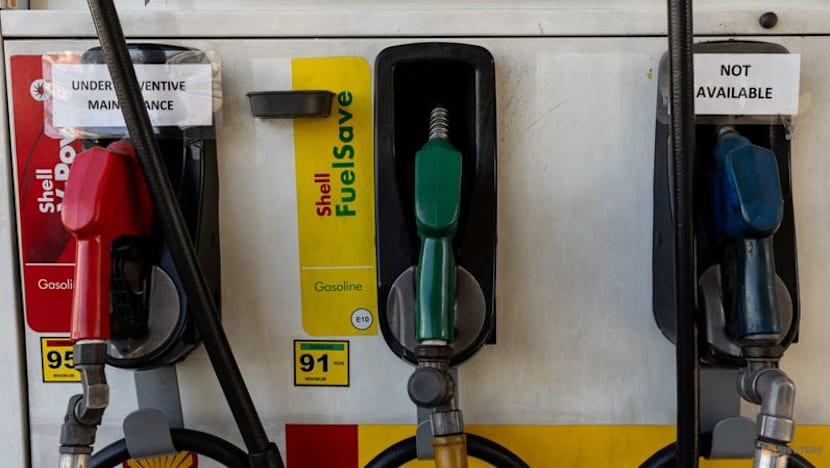
ASEAN nations are grappling with the implications of a prolonged Middle East war on their energy security plans. The region relies heavily on crude oil imports from the Middle East, with ASEAN importing more than half of its crude for refineries from that region, despite global benchmark prices hovering around US$100 per barrel. The conflict has heightened concerns about broader energy security risks, prompting ASEAN energy ministers to review regional fuel-security measures and long-term initiatives.
Philippine Energy Undersecretary Felix Fuentebella emphasized that the crisis has brought a sharper focus on resiliency, making energy security a priority for ASEAN ministers and leaders. The rising fuel prices are affecting households and transport workers, with a jeepney driver reporting a more than doubling of his daily fuel bill to $38.
ASEAN Centre for Energy highlighted that a severe disruption to Middle East supplies could jeopardize nearly 28% of ASEAN's final oil consumption, underscoring the need for stronger regional petroleum-security arrangements.
However, challenges such as insufficient storage capacity and inventories remain hurdles in implementing the ASEAN Framework Agreement on Petroleum Security (APSA). Energy Secretary Sharon Garin has expressed the Philippines' interest in exploring regional fuel-stockpiling arrangements, but analysts warn that such measures are more about preparing for future crises rather than directly addressing the current situation.
Discussions will also focus on reducing long-term dependence on imported fuels, with renewable energy, electric vehicles, and energy efficiency expected to take center stage. The International Energy Agency projects that Southeast Asia's energy import bill could surge from $80 billion in 2024 to $245 billion by 2035 without structural change, highlighting the importance of cross-border energy integration under the ASEAN Power Grid, which will require about $27 billion in investment by 2040.
Written by urgent.news from The Jakarta Post's reporting — not their text. Machine-written — may contain errors; check the original before relying on it.
This story
This is one outlet's version. Read the fullest account.