Lithuania takes 1st step to lift nuclear weapons ban amid Russian threat
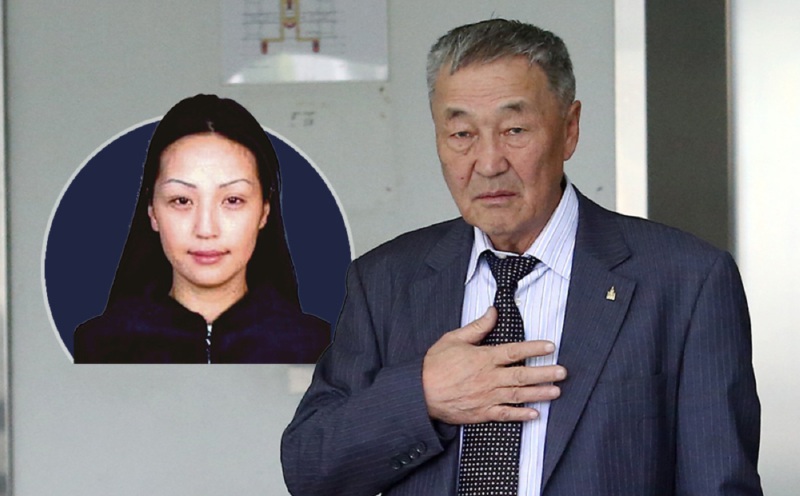
Parliament Speaker Juozas Olekas said removing the constitutional ban would strengthen Lithuania's resilience and deterrence.
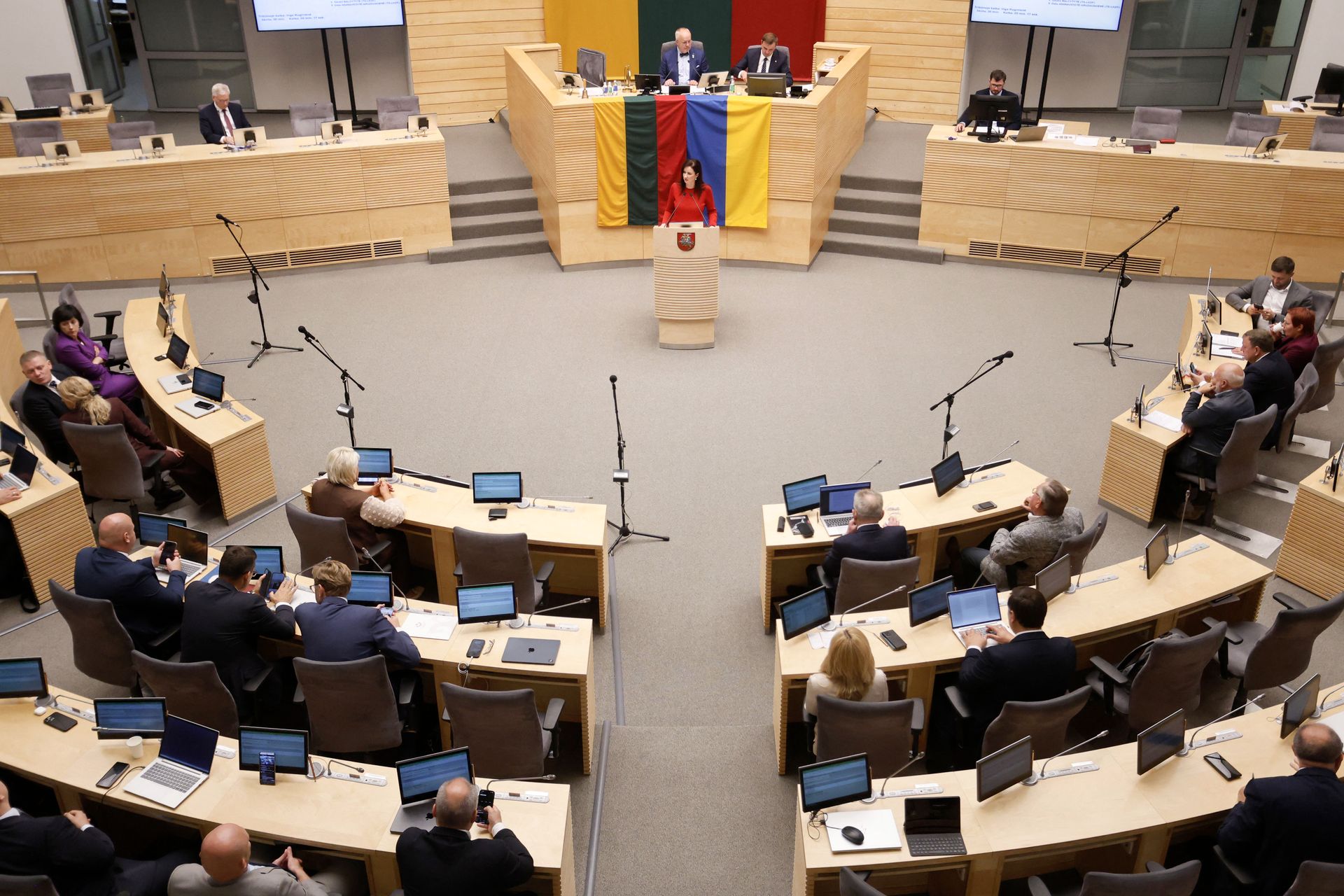
Lithuania's parliament voted on October 6 to begin the process of removing the country's ban on deploying nuclear weapons on its territory. The decision follows Lithuania's efforts to enhance its deterrence in response to rising security challenges in the region due to Russia's assertive stance. The parliamentary vote was 106 in favor, 18 against, and six abstentions.
The proposed amendment would repeal Article 137 of Lithuania's constitution, which currently prohibits nuclear weapons and foreign military bases on its soil. This comes as Lithuania strengthens its defense ties with NATO, including the deployment of a German military brigade, and as France contemplates expanding its nuclear deterrent capabilities across Europe.
The amendment will require a final vote by at least 94 out of 141 lawmakers, which cannot occur for at least three months. Parliament Speaker Juozas Olekas emphasized that lifting the constitutional ban would bolster Lithuania's resilience and deterrence. He expressed the hope that this step would garner the maximum support possible.
Olekas indicated that the final vote might take place on January 12. Lithuania has recently bolstered its defense budget and hosts a NATO multinational force, with Germany permanently increasing its military presence. Lithuania's security concerns are also influenced by its geographical position between Russia's Kaliningrad Oblast and Belarus, with both nations hosting Russian military assets.
The proposed repeal would amend the constitutional provision rather than granting explicit authorization for nuclear deployment.
Written by urgent.news from Kyiv Independent's reporting — not their text. Machine-written — may contain errors; check the original before relying on it.