In Australia’s Wet Tropics, restoration misses the forest for the tree cover
Relics of ancient wet forests stretch across the coast of Queensland state in Australia. In a landscape made patchwork by agriculture, volunteers, community groups and Indigenous rangers in Australia’s Wet Tropics now grow more than 300,000 native plants to turn cleared pasture back into rainforest. But once the young trees shade out the weeds, some […]
In Australia's Wet Tropics, a UNESCO World Heritage site along Queensland's northeast coast, efforts to restore ancient wet forests by planting native vegetation are faltering, according to a new study. While volunteers, community groups, Indigenous rangers, and other stakeholders have planted over 300,000 trees in the region, a lack of tracking once the young trees obstruct weed growth is hampering the overall success of these restoration projects.
The study, conducted by researchers from Australia's James Cook University and the University of Queensland, surveyed 25 organizations involved in rainforest restoration in northeastern Australia. These organizations include community groups, conservation land trusts, Indigenous ranger groups, nature market investors, and commercial land managers. The findings were published in the journal Restoration Ecology.
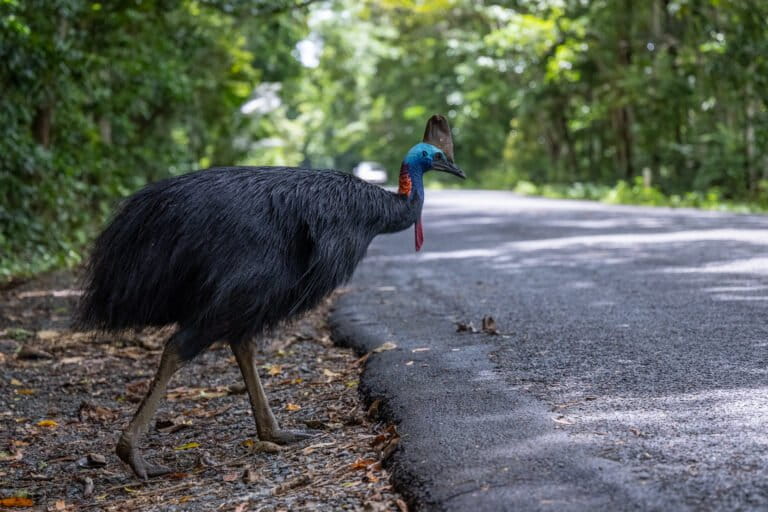
Australia's Wet Tropics is home to around 40% of the country's bird species, including 700 plant species that exist nowhere else in the world. Rare animals found in the region include the southern cassowary, northern bettong, and spotted-tailed quoll. However, the study highlights a critical gap in monitoring that may hinder the restoration goals, such as reestablishing wildlife populations and reconnecting fragmented forest habitats.
Written by urgent.news from Mongabay's reporting — not their text. Machine-written — may contain errors; check the original before relying on it.