How nipah palms gave new life to an old swamp
What began as difficult, waterlogged land in Perlis now supports traditional sap-tapping and a family-run food experience rooted in local heritage.
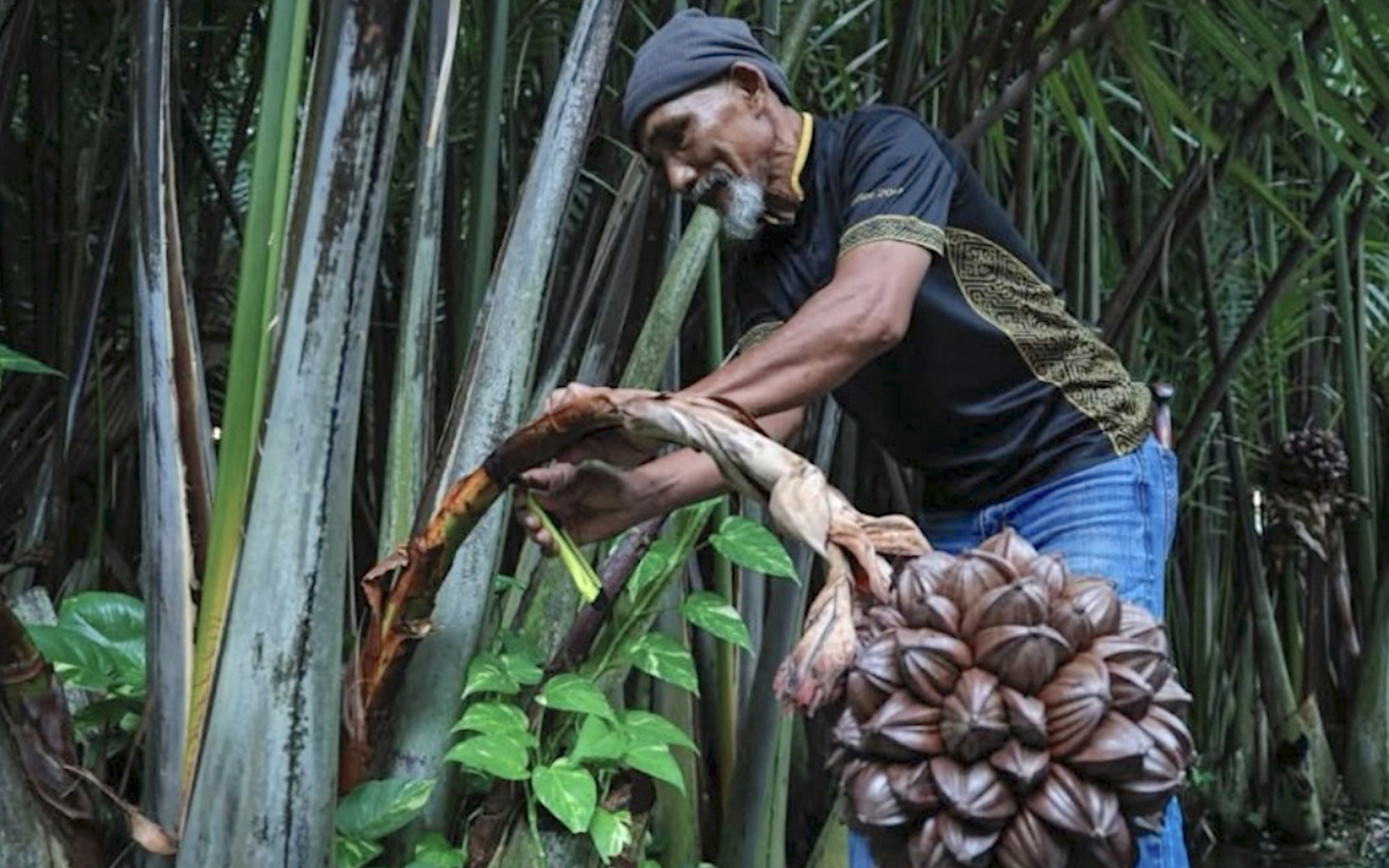
KANGAR: Jamaludin Abd Rahman, 63, once considered a muddy patch of unused swamp land in Kampung Bunga Emas Barat farmland. The site's deep, unstable soil made it unsuitable for machinery and heavy farming. Initially, Jamaludin used it to rear catfish. However, he eventually decided to plant about 1,000 nipah palms on the land in 2019. Over time, the plantation has grown to over 5,000 palms, providing Jamaludin, a father of six, with an alternative way to utilize the swamp.
Nipah palms require a significant amount of patience. The palms take around five years to mature before they start producing sap. Extracting the sap involves traditional techniques that include twisting, wrapping, and tapping the stalks at precise intervals and rhythms. Contrary to popular belief, Jamaludin revealed that the dry season actually yields more abundant and higher-quality sap, rather than the rainy season.
The deep root system of nipah palms allows them to draw water from underground even when the surface soil is dry, enabling the plants to thrive in conditions that might hinder other crops. Beyond sap production, Jamaludin sees the plantation as a means to preserve the landscape and the traditional practices connected to it. Nipah palms can stabilize muddy soil, reduce erosion, and act as a natural buffer when water levels rise. The leaves of the plant have also been traditionally used for roofing and making cigarettes.
At Nipah Klasik, a family-run eatery built around the plantation, visitors can enjoy fresh nipah sap alongside local favorites like popiah, keropok lekor, and fish otak-otak. Meanwhile, they can also witness demonstrations of the sap collection process. Jamaludin believes this setting offers a unique opportunity to showcase how a previously unusable piece of land can support food, livelihoods, and traditional knowledge.
By finding a suitable use for the swamp, Jamaludin transformed an initially challenging area into a place where people can taste local specialties, learn about their production, and spend time among the plants that contributed to the transformation.
Written by urgent.news from Free Malaysia Today's reporting — not their text. Machine-written — may contain errors; check the original before relying on it.
Also reported by 1 other outlet
- How nipah palms gave new life to an old swamp freemalaysiatoday.com