How Hark designed an AI assistant that’s actually helpful
With a chatbot interface and agentic capabilities, the new AI web application Hark Pro checks the main boxes of a mass market AI release in 2026. But unlike the tools that have already been released by the large tech companies and frontier AI labs, Hark Pro is rethinking the core premise behind the AI assistant. While many of the “everyday AI” chatbots that have rolled out over the last month…
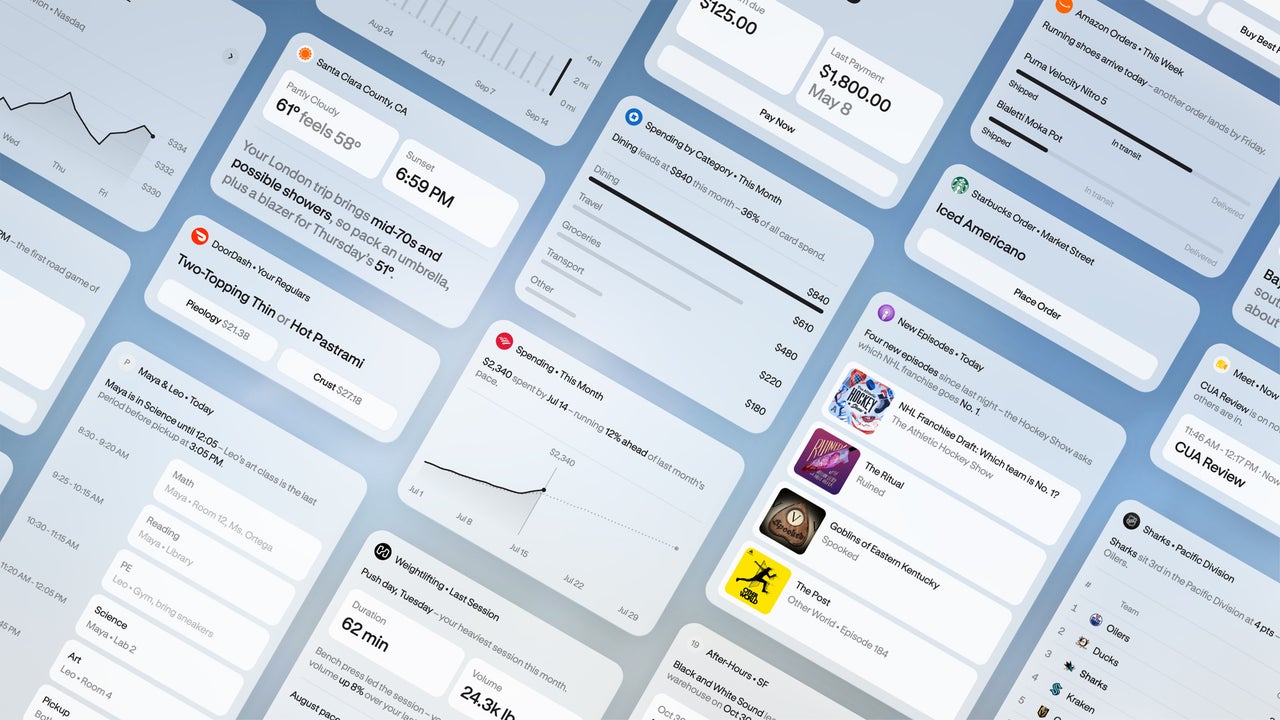
Hark, a startup founded by Brett Adcock, has created an AI web application called Hark Pro that aims to be more than just a chatbot. Unlike other AI assistants that primarily focus on answering queries and following directed tasks, Hark Pro uses AI to understand each user's needs and proactively find ways to help. The startup describes Hark Pro as an "operating system for your life."
Hark Pro can access a user's email, calendar, and other online accounts to perform tasks such as ordering lunch, paying bills, planning trips, and handling meeting conflicts. It can also identify meeting conflicts, reschedule them, and make appointments with dentists who accept a user's insurance. Additionally, Hark Pro can notify users when their rented car is at the wrong airport and offer to fix the issue.
Unlike many AI tools released by large tech companies, Hark Pro is designed to understand the tasks and needs of each user, rather than just fielding queries. The startup calls it a personal intelligence tool, aiming to be a dramatic reimagining of the personal computer for the age of AI. Adcock envisions Hark Pro handling all aspects of a user's computer usage, making it unnecessary to use a traditional computer.
The application features a customizable interface, with a sidebar of individual widgets that hold custom-designed apps, trackers, and reminders. These widgets can be connected to any services the user uses. The interface is designed to be easily customizable while prioritizing the main tasks or problems it can help solve.
One of Hark Pro's most powerful features is its ability to suggest actions that take something off the user's plate. For example, it recently suggested renewing the registration on the user's car. The tool can also show its work by displaying a small screen in the chatlog that shows its internal computer navigating through the websites it's using. This helps build trust with the user by providing transparency in how the AI is performing tasks on their behalf.
Written by urgent.news from Fast Company's reporting — not their text. Machine-written — may contain errors; check the original before relying on it.