Hong Kong’s bridge of gold completes China’s yuan ambition
Beijing’s push to accumulate gold serves a larger goal: yuan internationalisation. In this series, Part I traces China’s path to becoming a gold superpower, while this article explores Hong Kong’s key role in safeguarding the nation’s financial security. In 2013, one-third of the world’s traded gold passed through Hong Kong. That year, the city imported 1,158 tonnes of bullion, overtaking India,…
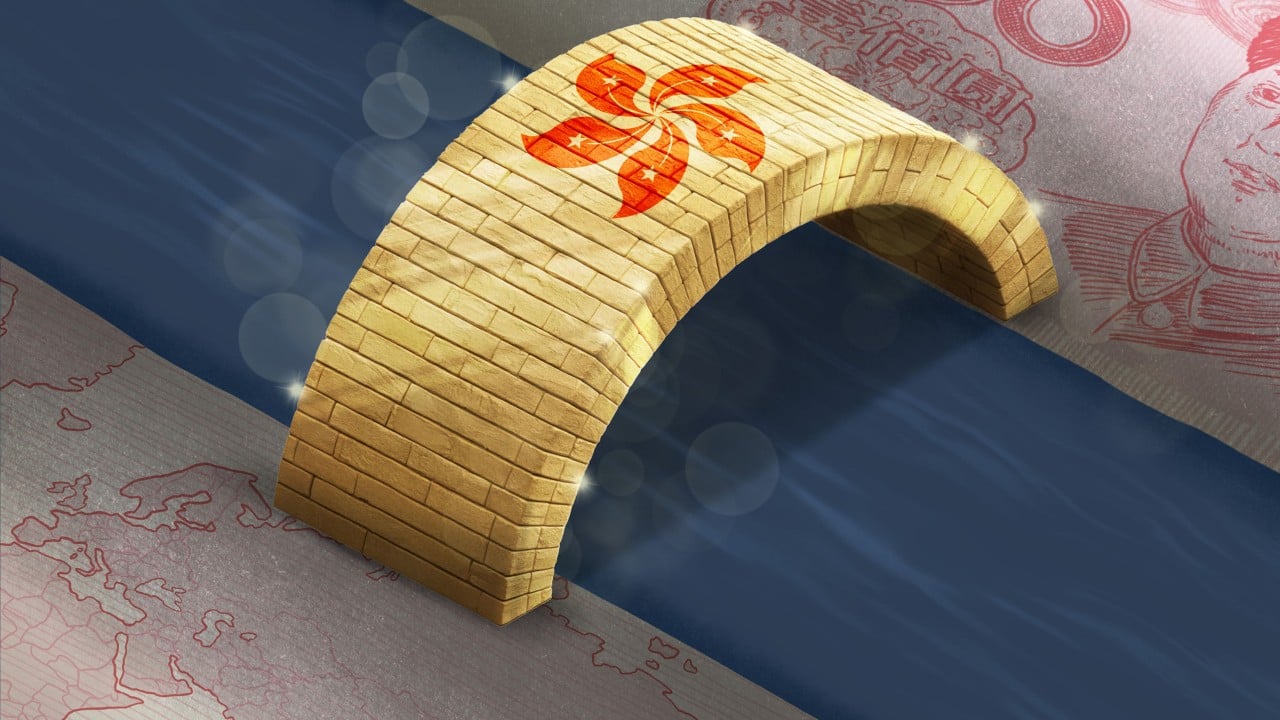
In 2013, one-third of global gold trade flowed through Hong Kong, where it mostly left for mainland China. In 2014, China eased restrictions, allowing more domestic banks to buy foreign gold without transiting through the city. Gold imports plummeted, falling to just 67 tonnes in 2020. Now, Hong Kong aims to become a global gold trading hub, expanding its vault capacity tenfold.
This shift stems from China's new strategy to build an independent yuan-based payment system, reducing reliance on the US dollar. To make yuan more attractive, China is accumulating physical gold, both domestically and through Hong Kong. Shanghai's Shanghai Gold Exchange and Hong Kong's vaulting facilities will serve as the hub for yuan-gold transactions, bolstering confidence among non-Western nations to hold yuan-denominated assets.
Written by urgent.news from South China Morning Post's reporting — not their text. Machine-written — may contain errors; check the original before relying on it.
This story
This is one outlet's version. Read the fullest account.