Hong Kong’s bridge of gold completes China’s yuan ambition
Beijing’s push to accumulate gold serves a larger goal: yuan internationalisation. In this series, Part I traces China’s path to becoming a gold superpower, while this article explores Hong Kong’s key role in safeguarding the nation’s financial security. In 2013, one-third of the world’s traded gold passed through Hong Kong. That year, the city imported 1,158 tonnes of bullion, overtaking India,…
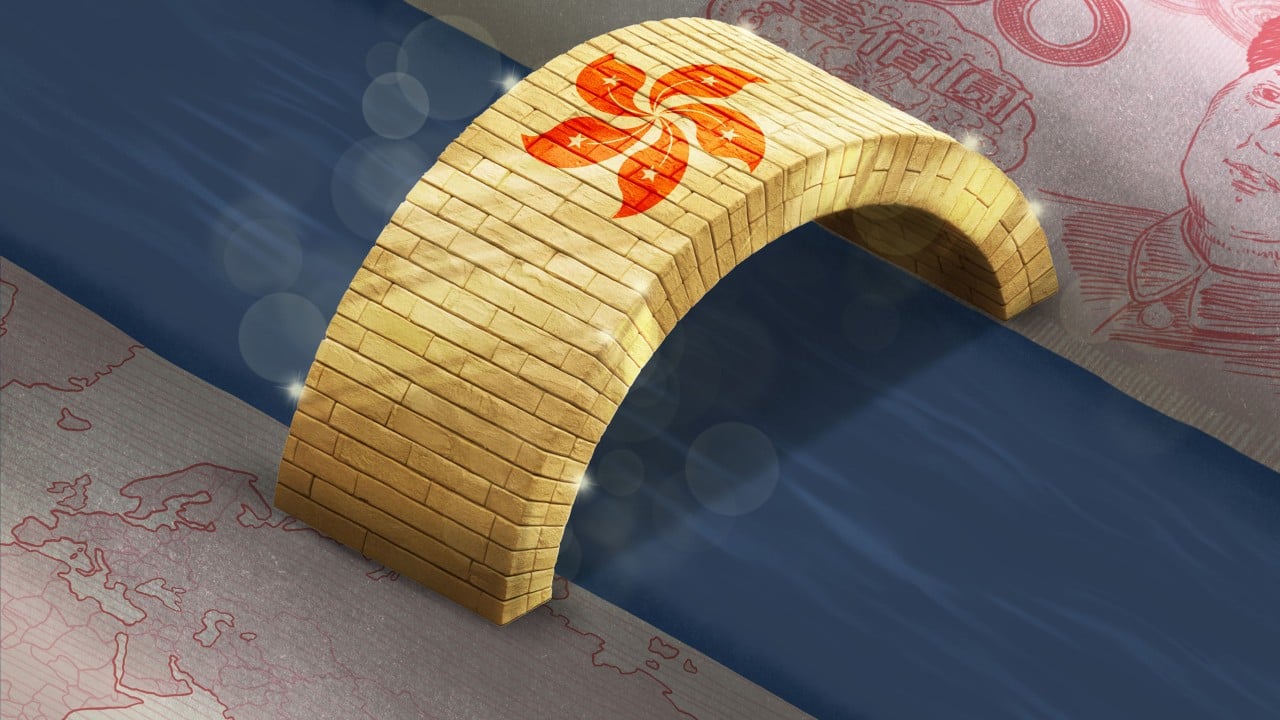
In 2013, one-third of gold traded globally passed through Hong Kong, surpassing India as the top buyer. However, most of this gold left the city and ended up in mainland China due to strict controls. In 2014, China relaxed import restrictions, allowing more mainland banks to buy foreign gold without going through Hong Kong. As a result, gold imports to the mainland decreased significantly over the next few years.
Yet, in 2020, Hong Kong saw a resurgence in gold imports, with 942 tonnes flowing into the city. Hong Kong is now aiming to become a global gold trading hub, with plans to increase storage capacity tenfold from 200 tonnes to 2,000 tonnes by 2028. This shift in Hong Kong's role reflects the broader changes in China's monetary policy.
The Chinese yuan is now being internationalized, and physical gold is being used as collateral for yuan-denominated assets. This move strengthens foreign confidence in the yuan, particularly among non-Western countries. China's dominance in gold production and increasing gold imports underscore its strategic importance in the global gold market.
By establishing the Shanghai Gold Exchange and expanding offshore gold vaults in Hong Kong, China is creating a parallel infrastructure for gold trading and storage. The launch of a yuan-denominated gold futures contract by Hong Kong Exchanges and Clearing further solidifies Hong Kong's position as a crucial link in China's financial strategy.
Written by urgent.news from South China Morning Post - Hong Kong's reporting — not their text. Machine-written — may contain errors; check the original before relying on it.