Hong Kong’s bridge of gold completes China’s yuan ambition
Beijing’s push to accumulate gold serves a larger goal: yuan internationalisation. In this series, Part I traces China’s path to becoming a gold superpower, while this article explores Hong Kong’s key role in safeguarding the nation’s financial security. In 2013, one-third of the world’s traded gold passed through Hong Kong. That year, the city imported 1,158 tonnes of bullion, overtaking India,…
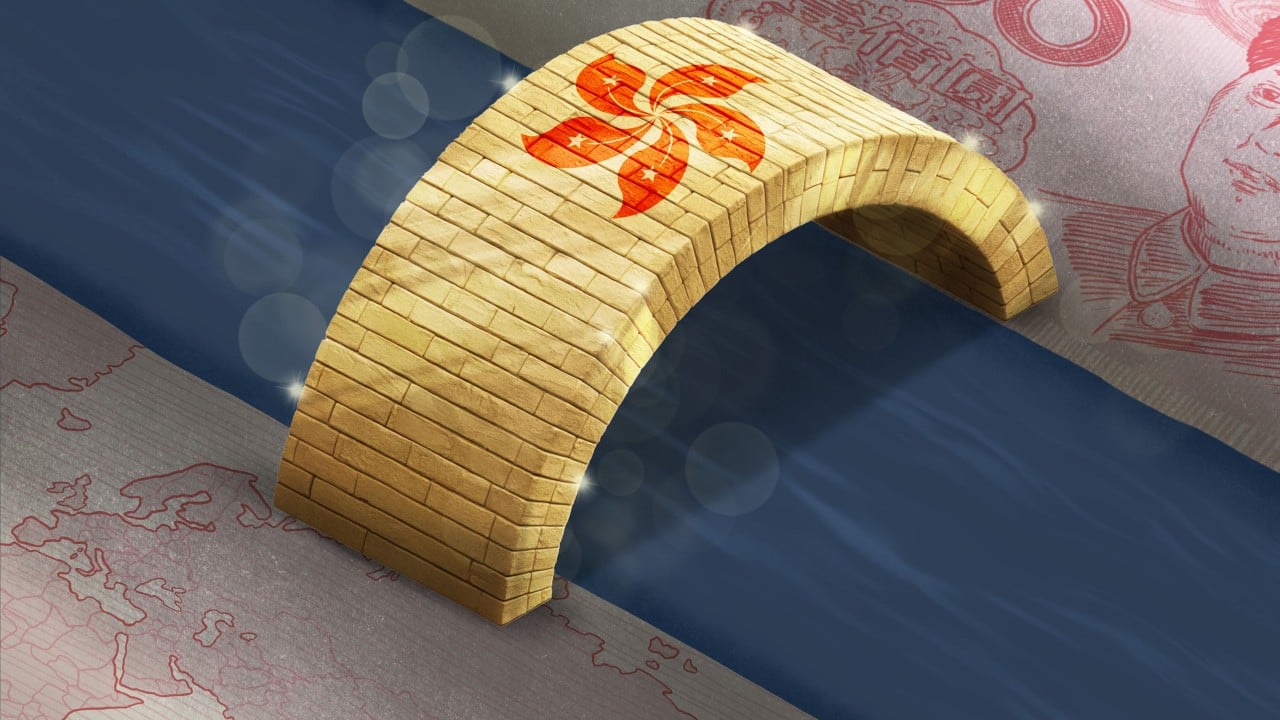
Hong Kong has become a crucial hub in China's efforts to internationalize the yuan and bolster its financial security. In 2013, one-third of global traded gold passed through the city, with 1,158 tonnes imported, surpassing India, the previous top buyer. However, most of this gold was quickly shipped to mainland China due to strict controls.
In 2014, China eased restrictions, enabling mainland banks to purchase foreign gold directly, without going through Hong Kong. Gold inflows to the mainland then dropped to 863 tonnes in 2015, 245 tonnes in 2019, and 67 tonnes in 2020.
Despite the decline, gold trading in Hong Kong has rebounded since 2020, reaching 942 tonnes in the previous year. The city now aims to become a global gold trading center, with plans to increase its storage capacity tenfold, from 200 tonnes to 2,000 tonnes by 2028. This shift reflects a broader transformation in China's financial strategy, moving away from full capital account convertibility and Western systems towards an alternative payment system independent of the US dollar.
Beijing's ambitious plan to accumulate gold stems from a need to diversify its foreign reserves and create a tangible collateral for the yuan. Currently, China holds less than 10% of its US$3.4 trillion reserves in gold, with most of its gold imports coming through Hong Kong. By expanding its gold holdings, China aims to strengthen confidence among non-Western countries in holding yuan-denominated debt or trade balances.
China has established the Shanghai Gold Exchange (SGE) to handle physical gold transactions and price-setting, complementing the London Bullion Market Association. Additionally, Hong Kong hosts offshore gold vaults, allowing foreign clients to convert yuan into physical gold for storage and delivery. This dual role of Hong Kong as both a vaulting and delivery point for foreign gold makes the city an ideal location for diversifying gold holdings from traditional centers like London and New York.
The Hong Kong Exchanges and Clearing recently announced plans to launch a yuan-denominated gold futures contract, further solidifying the city's position as a global gold trading hub.
Written by urgent.news from Reuters Business via SCMP's reporting — not their text. Machine-written — may contain errors; check the original before relying on it.
This story
This is one outlet's version. Read the fullest account.