Gigaphoton debuts neon recycling system with claimed 50% recovery rate
New neon gas recycling systems promise to reduce the demand for the noble gas at major chip manufacturers using DUV lithography. But as that technology is supplanted, this much-needed fix may only be needed temporarily.
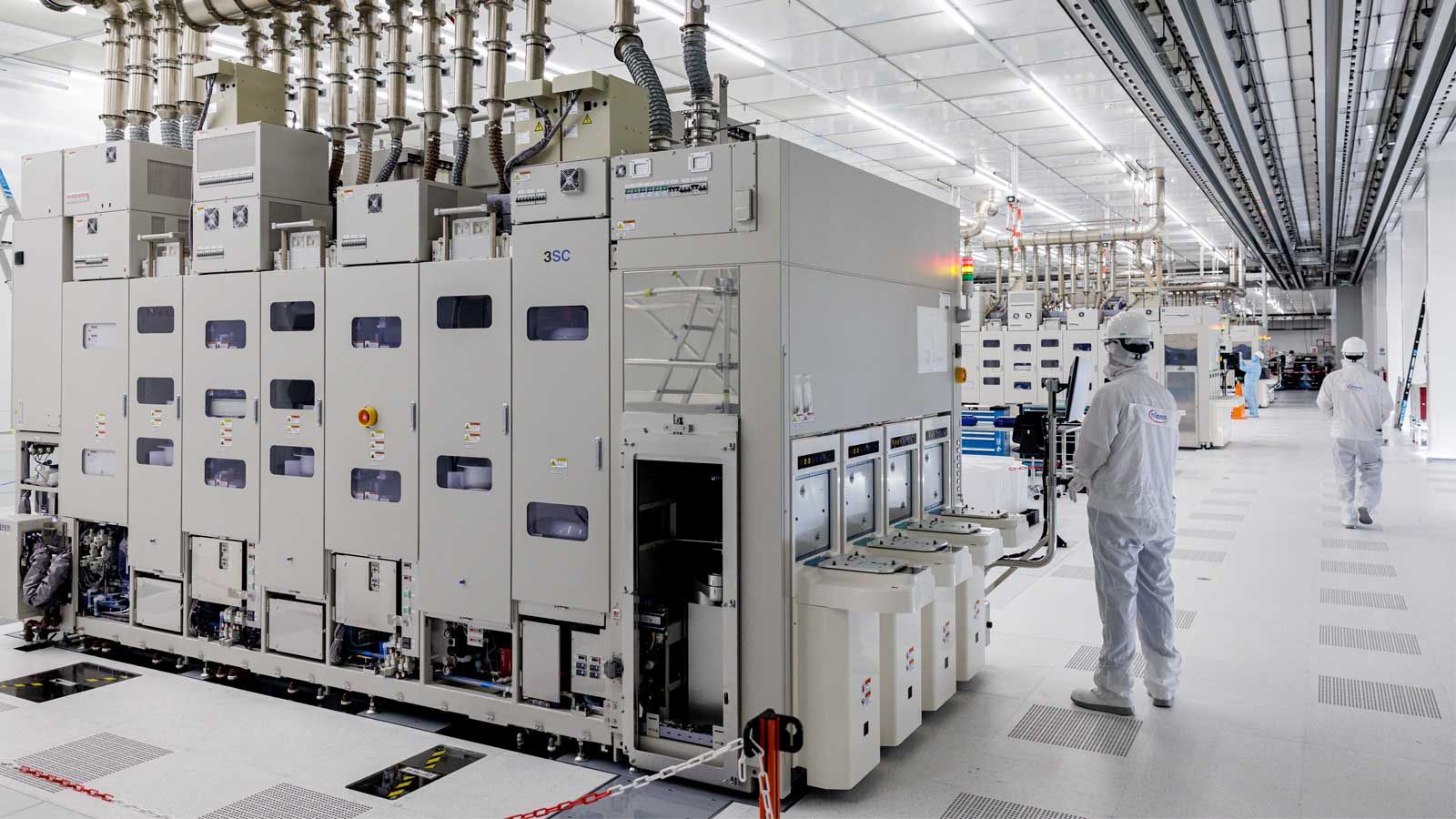
Japanese semiconductor equipment manufacturer Gigaphoton has unveiled a new neon gas recycling system called hTGM for its argon fluoride (ArF) excimer lasers. This innovative system reportedly achieves a 50% recycling rate, which could significantly address the global shortage of neon gas in the semiconductor industry. The demand for neon gas, primarily used in advanced DUV (deep ultraviolet) lithography processes, has surged due to the proliferation of AI-driven chip development.
The Russian invasion of Ukraine disrupted the supply chain in 2022, as Ukraine previously supplied up to 50% of the neon gas used in the industry. In response, countries like China, Taiwan, and South Korea have ramped up their domestic neon production efforts, while chip manufacturers have also integrated various recycling systems throughout the fabrication process.
Gigaphoton's hTGM system, combined with other recycling technologies being developed by companies like Kanken Techno, could help alleviate the neon shortage and reduce the dependence on global supply chains. This development is particularly crucial for the chip industry, which relies heavily on neon gas for DUV processes, with global demand for DUV-produced semiconductors rapidly increasing.
Although the 50% recycling rate achieved by Gigaphoton's hTGM system may not be unprecedented, it still represents a substantial improvement in material efficiency and cost savings. As the industry continues to explore alternative technologies like EUV lithography and solid-state laser systems, the demand for neon gas may eventually diminish, making recycling systems like hTGM even more valuable in the long run.
Written by urgent.news from Tom's Hardware's reporting — not their text. Machine-written — may contain errors; check the original before relying on it.