Ghana’s industrial dream at risk? How the Yuan policy could deepen China dependence
Ghana's importers no longer have to hunt for US dollars to buy Chinese goods. Under a new Bank of Ghana policy, businesses can pay for goods from China directly in Chinese Yuan (RMB), and they can receive payments in Yuan too.
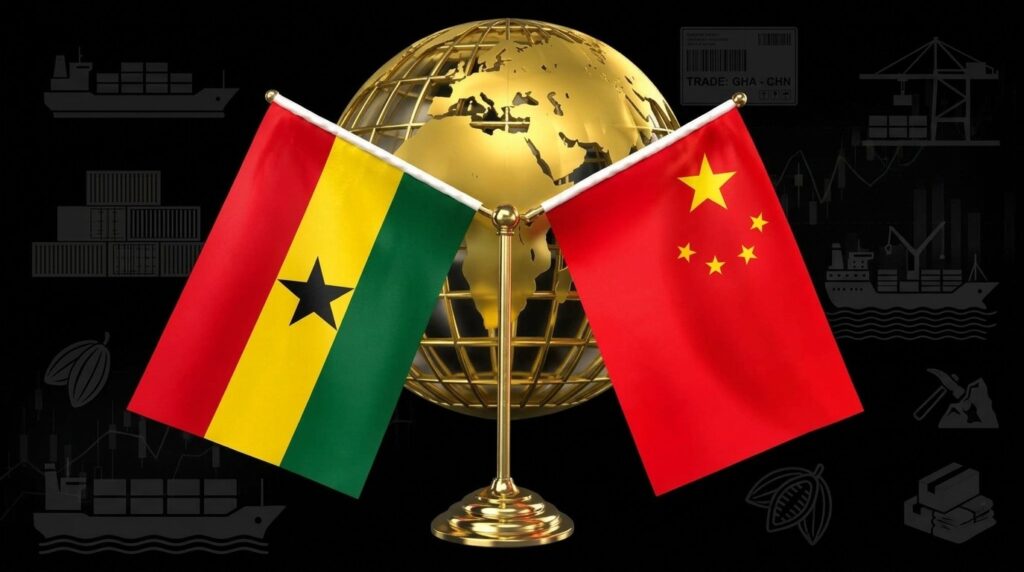
Ghana's industrial aspirations could be jeopardized by a new policy that allows the country to pay for Chinese goods in Chinese Yuan. The Bank of Ghana's recent decision aims to reduce the nation's reliance on the US dollar for imports. However, this seemingly beneficial move for businesses purchasing from China may actually amplify the country's already significant dependence on its largest trading partner.
In 2024, China remained Ghana's primary source of imports, accounting for $9.84 billion worth of goods, which constituted 61.5% of the nation's total exports. This dependence on China for essential goods is further highlighted when examining total imports, as Chinese products accounted for 48.2% of Ghana's $20.4 billion in foreign purchases. Consequently, nearly half of Ghana's international spending is directed toward a single country.
While the new policy may alleviate the burden of acquiring dollars for Chinese imports, the inherent trade imbalance poses a substantial challenge. As a nation that imports more than it exports, Ghana finds itself in a precarious position where this policy could exacerbate its reliance on China, potentially hindering its industrial development goals.
Written by urgent.news from MyJoyOnline Ghana's reporting — not their text. Machine-written — may contain errors; check the original before relying on it.