Factories of future: Built on 25 years of reform & execution
India's industrial sector has seen significant growth under Modi's leadership, emphasising infrastructure development and reforms. The Vibrant Gujarat Summit initiated a strategic approach to enhance ease of doing business. Recent trade agreements have expanded access to global markets for Indian manufacturers.
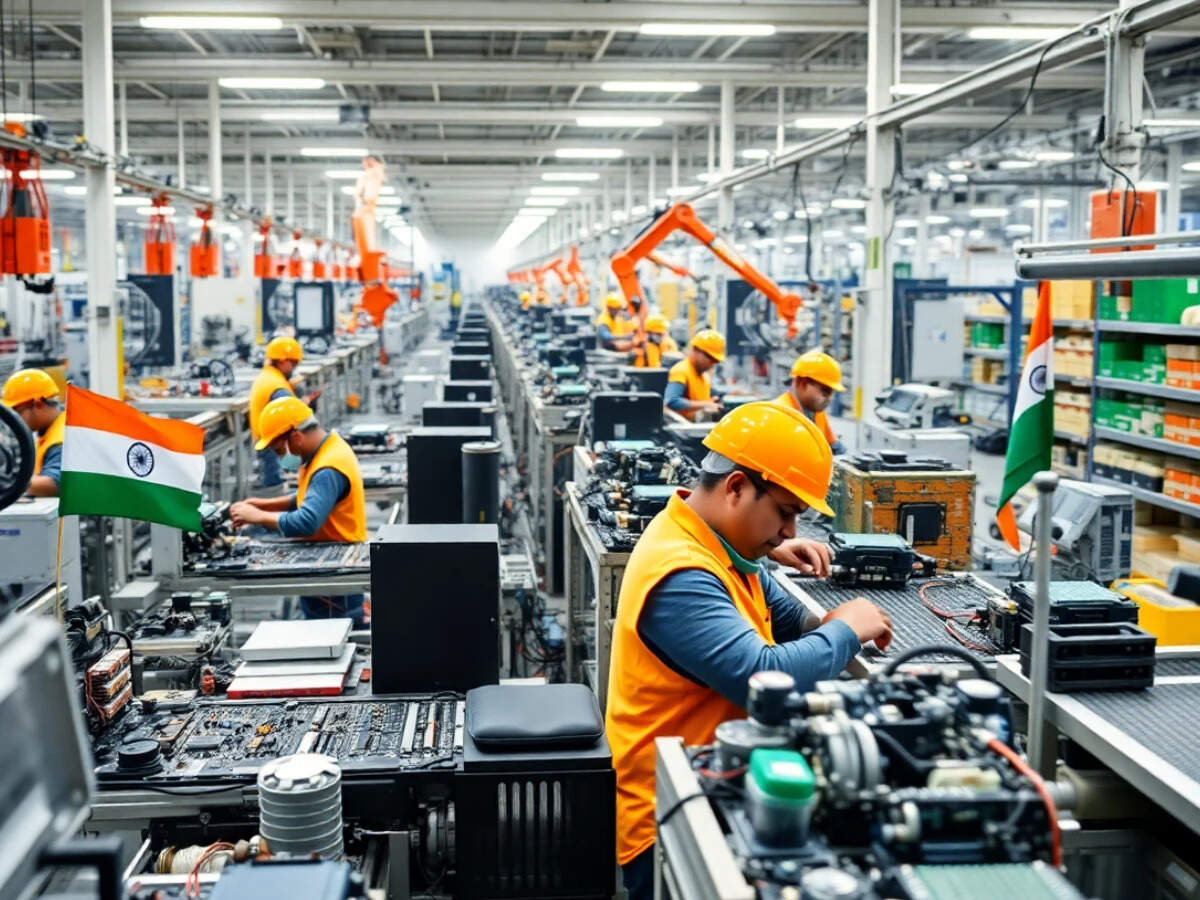
India has long been a nation of enterprise, boasting large business houses, small to medium-sized enterprises, and a robust trading community. Under the stewardship of Prime Minister Narendra Modi, Indian industry and entrepreneurship have seen remarkable growth over the past 25 years. In Gujarat, Modi laid the groundwork for this transformation.
The Vibrant Gujarat Summit, launched in 2003, served as an early manifestation of this approach. It provided a platform to address industry concerns and improve ease of doing business. The Gujarat model also emphasized the development of industrial ecosystems, integrating ports, roads, power, industrial estates, and clusters to create thriving centers.
Several key reforms have bolstered the industrial environment. The Goods and Services Tax (GST) forged a more united national market and eliminated the complexities of multiple taxes. The Insolvency and Bankruptcy Code paved the way for capital and productive assets to be reallocated. Digitization and formalization have brought more economic activity into the formal system, while the four Labour Codes harmonized and streamlined labor laws.
Enhanced infrastructure has addressed a longstanding challenge for Indian industry - the cost and time associated with transporting goods. Improved roads, railways, ports, airports, and expressways have become the backbone of the economy, particularly benefiting small and medium-sized industries that lack the resources to develop their own logistics networks. Better connectivity has enhanced competitiveness and altered the economic landscape of manufacturing.
India's industrial reach has expanded through trade agreements with numerous countries, granting Indian manufacturers greater access to international markets. This combination of a vast domestic market and expanding global access presents Indian manufacturers with unprecedented opportunities that were unimaginable just a decade ago.
Modi's industrial vision aligns with a global shift in perspective regarding where nations produce and source materials. Pandemics, geopolitical conflicts, technology restrictions, and the weaponization of critical materials have underscored the importance of dependable manufacturing partners. India's Industrial Revolution has gained momentum, with the production-linked incentive (PLI) programme committing over ₹2.4 lakh crore across 14 sectors.
This initiative is expanding India's manufacturing capacity, attracting investment, creating jobs, and boosting exports across various industries.
The electronics sector exemplifies the rapid transformation of India's industrial base, with production and exports growing at double and triple-digit rates. Some of the world's leading smartphone brands now produce devices in India. Semiconductors represent an even more ambitious endeavor, as India is developing chips and the supporting ecosystem, ranging from design and fabrication to packaging, materials, and talent.
Moreover, defense manufacturing has become a national security priority, with Modi emphasizing indigenous equipment, domestic R&D, and positioning India as a global supplier of defense technology. Defend exports have surged 56-fold over the past 12 years.
In the realms of defense, space, drones, and deep technology, emerging companies are venturing into previously inaccessible or highly restricted sectors. Modi has actively encouraged young people to engage in research and innovation, with the ambitious Research, Development, and Innovation Fund committing ₹1 lakh crore to deep tech, strategic technologies, and sunrise sectors. This funding serves as the foundation for tomorrow's industrial capabilities, cultivated by today's research efforts.
The author, Founder and Director of Kotak Mahindra Bank, has witnessed firsthand Modi's dedication to industrial development and his willingness to collaborate with industry leaders. Modi engages with international business leaders during his travels, discussing potential opportunities and inspiring Indian entrepreneurs to think beyond conventional boundaries.
He emphasizes the importance of viewing industry as a means of national capability rather than merely an economic activity. The overarching goal of Modi's leadership over the past 25 years is to elevate India's industry and propel it to the status of a global player, contributing not only to the nation's progress but also to the world stage.
Written by urgent.news from The Economic Times - Economy's reporting — not their text. Machine-written — may contain errors; check the original before relying on it.