GamerCard Review: A Flawed Pocket-Size Retro Handheld
This pocket-size Raspberry Pi handheld has a fantastic retro-ready screen, but awful controls and awkward software deal it a losing hand.
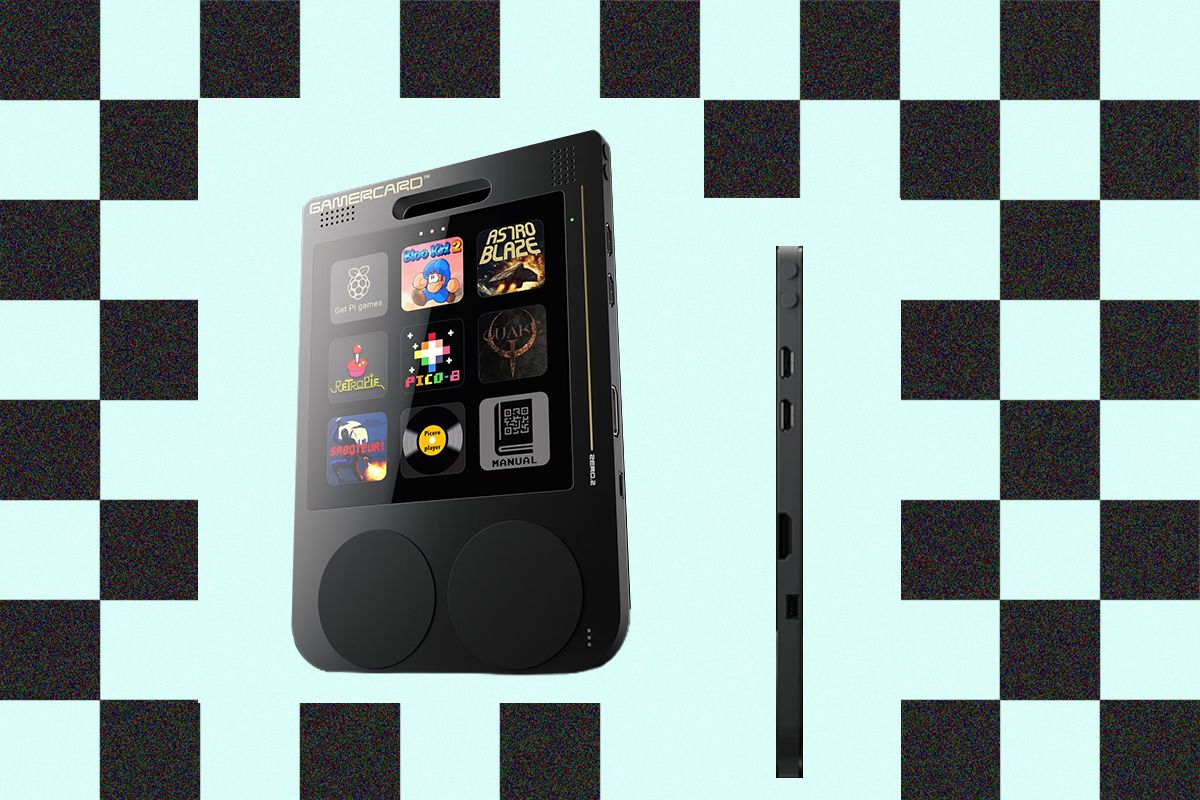
The GamerCard, a pocket-sized retro handheld device, presents a tantalizing concept for gamers but falls short in execution. Designed as an accessible handheld for impulse purchases and advanced enough for power users, its £99 price tag feels like a marvel given the cost of individual components. Powered by a Raspberry Pi Zero 2W quad-core processor, the 4-inch IPS screen, control inputs, and speakers are integrated into a slim, lightweight 128 x 88 x 6.5-millimeter form factor.
Despite its tech prowess, the device struggles with heat management and offers an unresponsive control scheme, making gameplay cumbersome. The lack of a dedicated Home button and inconsistent button mapping further complicate the user experience. While the device runs a tailored operating system featuring a minimalist interface with a three-by-three grid of games, its inability to handle 3D games smoothly and lack of physical volume controls are significant drawbacks.
The absence of a 3.5-mm headphone jack and inconsistent Bluetooth connectivity add to the frustrations. For emulation enthusiasts, the GamerCard's potential shines through its RetroPie support for a vast array of retro games, but accessibility issues, such as accessing the store and managing ROMs, hinder the overall experience. Despite these challenges, the GamerCard remains a passionate pursuit for emulation and retro gaming, but its flaws are glaringly evident.
Written by urgent.news from Wired's reporting — not their text. Machine-written — may contain errors; check the original before relying on it.