From Interstellar to Project Hail Mary: Eight space films that imagine a better future
As World Space Week celebrates humanity's achievements beyond Earth, cinema offers its own versions of where that journey might lead. Science fiction has often looked to space and found something to fear. The genre is full of abandoned ships, hostile planets, predatory aliens and futures in which humanity has carried its worst instincts beyond Earth. Yet some of the most enduring space films look…
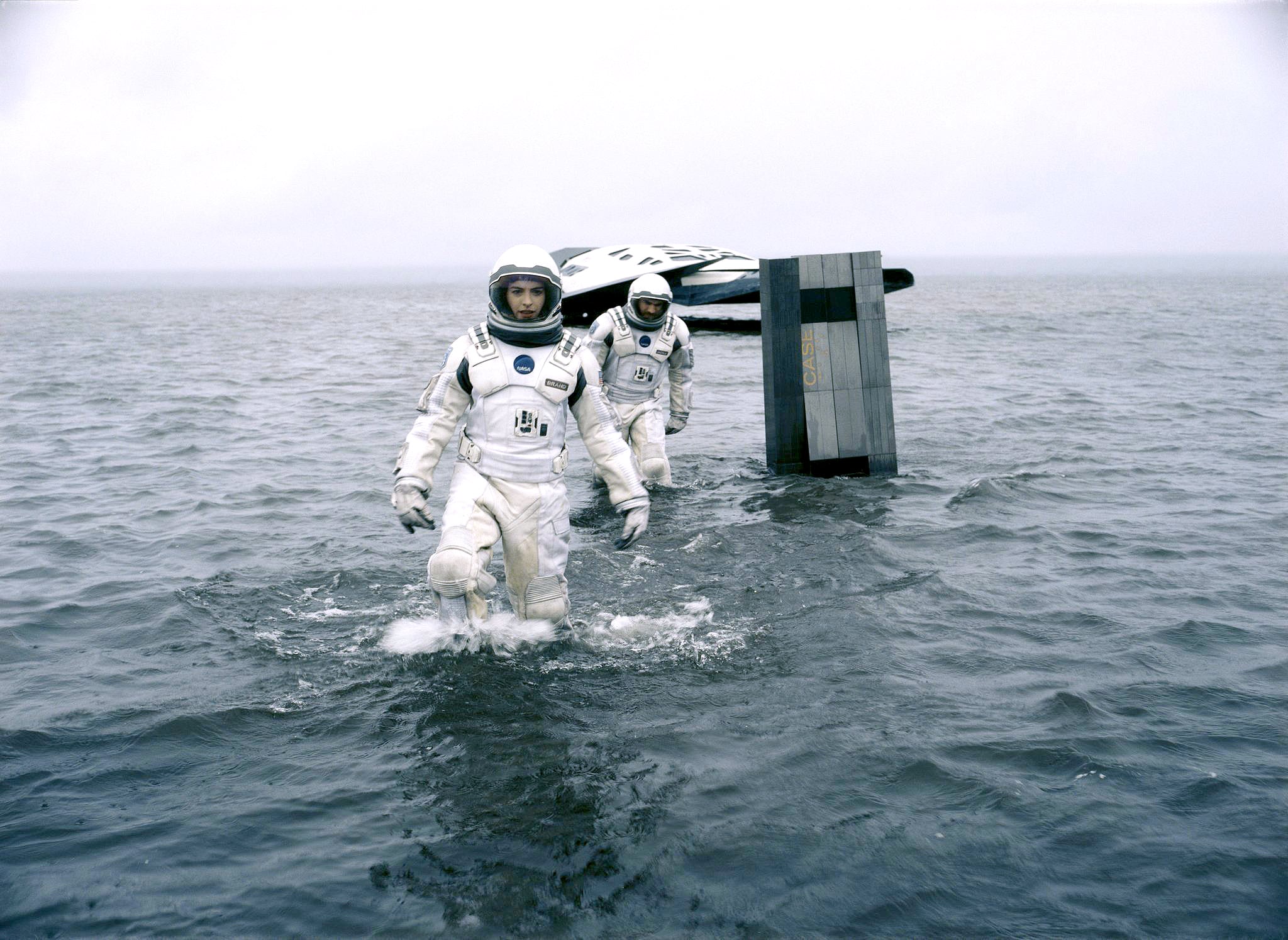
As World Space Week honors humanity's achievements beyond Earth, cinema presents its own visions of where that journey might lead. Science fiction often portrays space as a place to fear, featuring abandoned vessels, hostile worlds, and future societies that have embraced their worst traits. However, some of the most memorable space films offer a different perspective.
They emphasize scientific progress, problem-solving, and the potential for encounters with the unknown to broaden our understanding of ourselves. Space becomes an opportunity for humanity to become more curious, cooperative, and perhaps more humane. While not all of these films depict utopias, they all refuse to view humanity's future solely in terms of decline. Here are eight space films that suggest the future beyond Earth might be worth looking forward to.
Interstellar (2014) Christopher Nolan's film begins on Earth, where crop failures, worsening dust storms, and a lack of interest in space exploration paint a bleak picture. The protagonist, former NASA pilot Cooper, becomes a farmer. However, the film quickly shifts focus to a mission through a wormhole to save humanity and its ambition.
The ending transforms the initial pessimism into a hopeful vision of humanity living aboard vast rotating habitats, with another world awaiting exploration. Interstellar argues that exploration is not a luxury for prosperous times, but rather a necessity to prevent decline from becoming permanent.
Star Trek: The Motion Picture (1979) Robert Wise's film seems almost radical in its lack of interest in turning the unknown into an enemy. The USS Enterprise is dispatched to intercept an approaching entity called V Ger, but the film spends much of its runtime looking at the vastness of space rather than preparing for battle. This approach mirrors Star Trek's enduring idea that humanity has matured by the 23rd century.
Earth has become part of a wider federation, and exploration is driven by curiosity rather than destruction. The film's climax reveals that what initially appears threatening can be understood and embraced, suggesting a future where humanity meets the unfamiliar with inquiry rather than hostility.
The Martian (2015) Mark Watney's greatest asset on Mars is not a laser or secret technology, but his competence. Ridley Scott's film delights in watching people excel at their jobs, from Watney's calculations and food production to the efforts of NASA engineers. The film's optimism stems from the believable challenges and solutions that arise on Mars.
Watney's story demonstrates that reaching Mars requires significant effort, money, and international cooperation. The eventual involvement of the China National Space Administration widens the scope of the story, making the eventual rescue an effort involving people around the world. The Martian offers a hopeful vision of humanity reaching Mars through expertise and collaboration rather than panic.
Contact (1997) What happens when humanity finally learns it is not alone? Contact's answer is a surprisingly uncinematic one: scientists listen. Robert Zemeckis's adaptation of Carl Sagan's novel follows astronomer Ellie Arroway as she discovers a signal from Vega. Hidden within the signal are plans for a mysterious machine, whose purpose no one initially understands.
The discovery causes political, religious, and philosophical upheaval, but Contact never loses sight of the wonder that comes with such a discovery. The film emphasizes that understanding the implications of extraterrestrial existence involves collective effort and scientific collaboration. The film leaves many questions unanswered, which only adds to its appeal. A better future begins with humanity being curious enough to admit how much it still doesn't know.
Mission to Mars (2000) Brian De Palma's film belongs to a rare breed of science fiction that Hollywood rarely produces: completely sincere space exploration. There is no cynicism from the astronauts; the possibility of finally answering questions about humanity's origins is met with genuine awe. The story follows a rescue mission after a first crewed expedition to Mars encounters a mysterious structure.
Initially, the film appears to be a disaster movie, but it gradually reveals a more profound revelation - humanity's connection to a far older extraterrestrial civilization. This connection reframes the journey to Mars as more than exploration; it's a quest to discover part of humanity's own history. Mission to Mars imagines scientific progress leading to one of the oldest questions imaginable: where did we come from? Its answer is both awe-inspiring and hopeful.
Written by urgent.news from The National Business's reporting — not their text. Machine-written — may contain errors; check the original before relying on it.
This story
This is one outlet's version. Read the fullest account.