Francis Halzen wins Physics Nobel for high-energy neutrino discovery
The announcements of this year's prizes began Monday with the Nobel Prize in medicine being awarded to three scientists whose work led to a tool that uses light to help unravel how the brain works
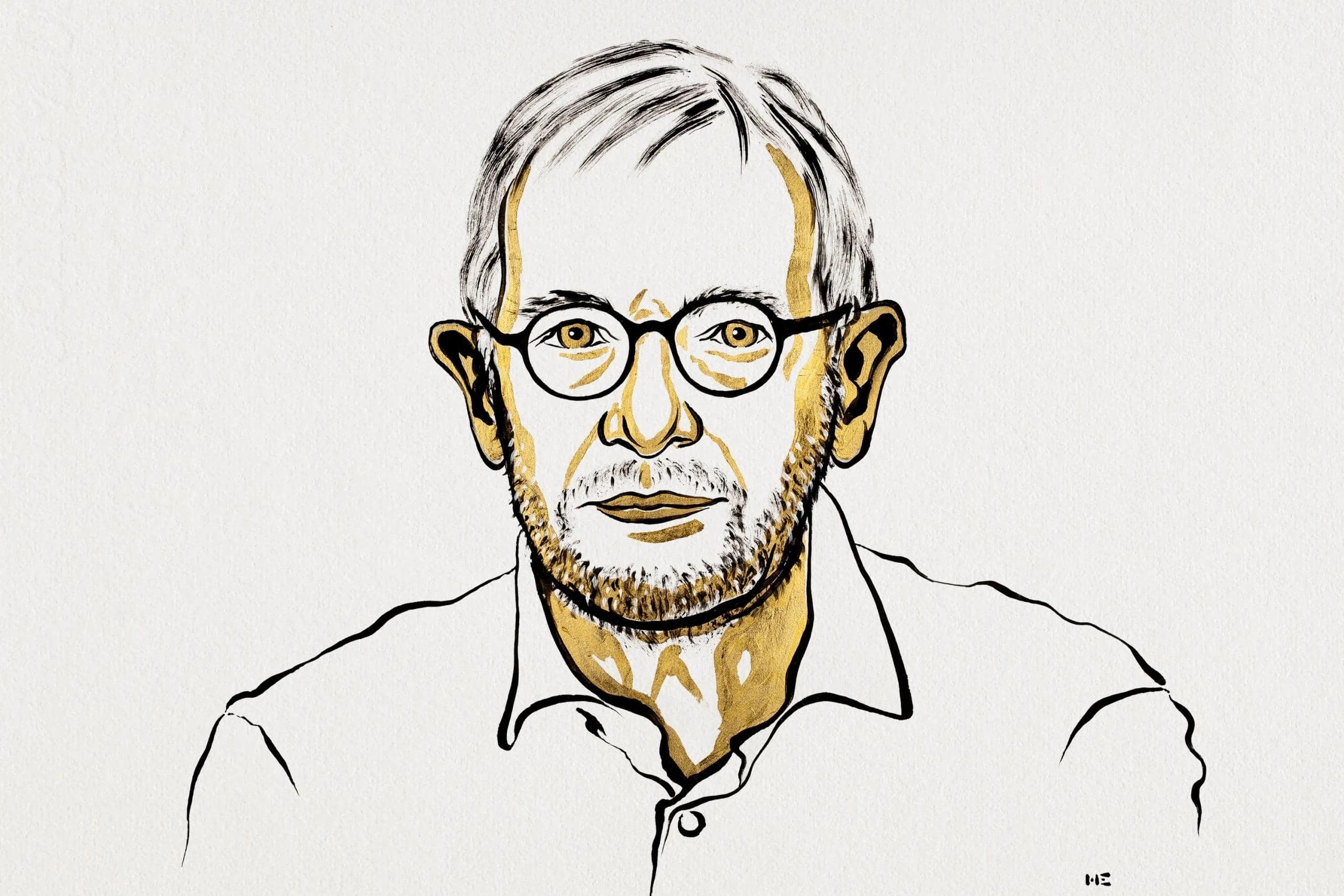
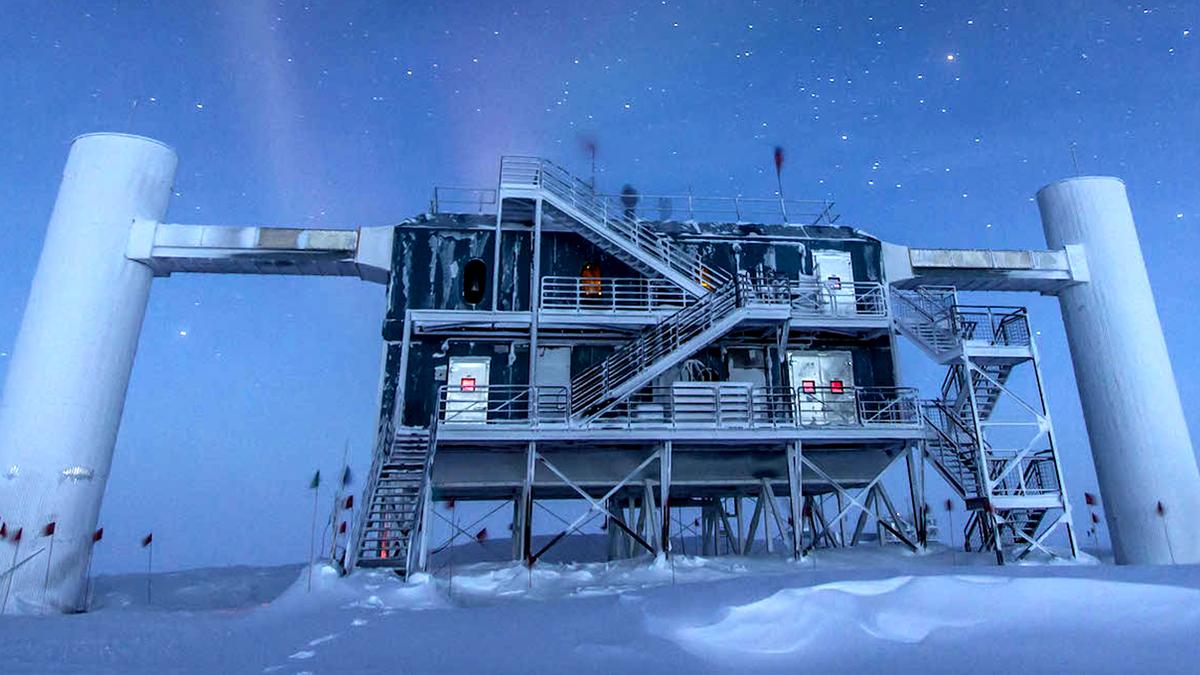
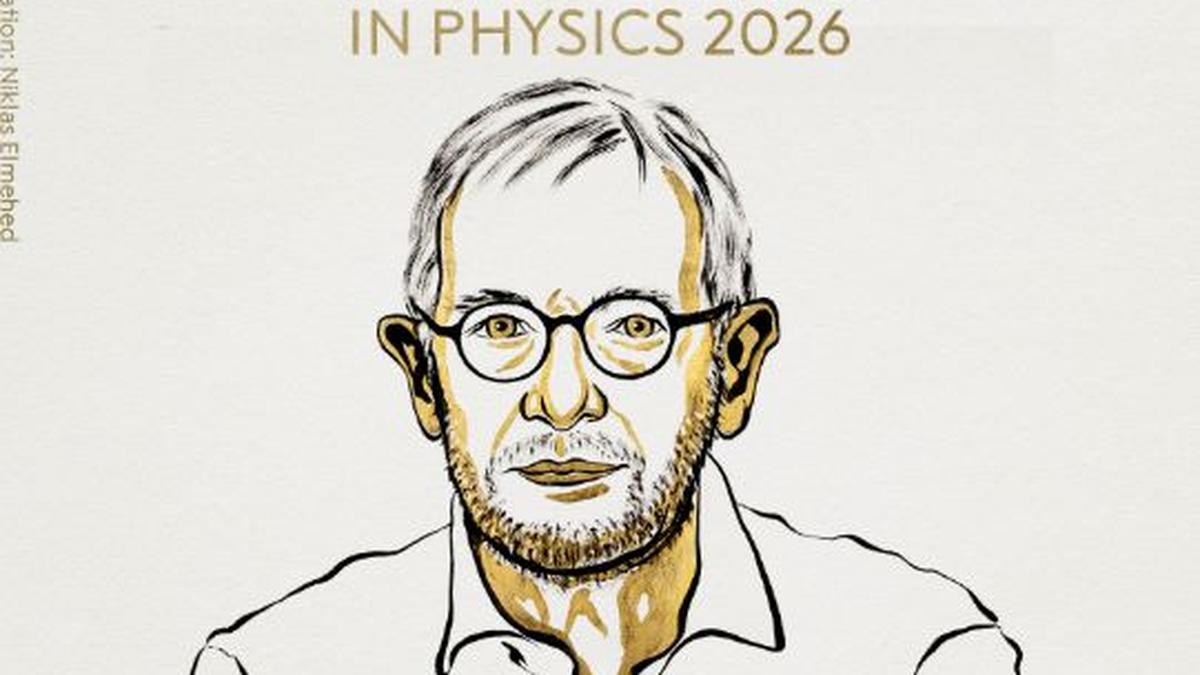
Francis Halzen has been awarded the 2026 Nobel Prize in Physics for his groundbreaking work on the IceCube Neutrino Observatory and the discovery of high-energy neutrinos of astrophysical origin. Born in Belgium, Halzen currently resides at the University of Wisconsin-Madison. In 1988, he recognized the potential of the ice in the South Pole to detect cosmic neutrinos.
Two decades later, the IceCube project commenced operations, featuring a network of light detectors spread across a cubic kilometer of ice. Neutrinos, when interacting with the ice, generate secondary particles that can be traced through the ice, enabling researchers like Halzen to trace back the origin of these elusive particles to specific locations in the sky.
The Nobel Prize, valued at SEK 12 million (approximately $1.2 million), will be presented in Stockholm on December 10th. Halzen expressed his surprise at the announcement, stating it was "a great pleasure" to receive the honor. He emphasized the collaborative nature of the project, crediting the contributions of numerous talented collaborators from institutions across 14 countries.
Halzen also acknowledged the crucial support from his university, praising Wisconsin for being "the right place" when the idea for IceCube emerged. Mark Pearce, chair of the Nobel Committee for Physics, highlighted Halzen's leadership in spearheading an international collaboration of over 450 scientists from 58 institutions. This marked Halzen as the first sole recipient of the Nobel Prize in Physics since Pierre-Gilles de Gennes in 1991.
Written by urgent.news from Physics World's reporting — not their text. Machine-written — may contain errors; check the original before relying on it.
This story
This is one outlet's version. Read the fullest account.
- Francis Halzen wins Nobel Prize in physics for work on high-energy neutrinos of astrophysical origin phys.org
- Francis Halzen wins Nobel Prize in Physics physicsworld.com
- Francis Halzen wins 2026 Nobel Prize in Physics dailymaverick.co.za
- Francis Halzen wins 2026 Nobel Prize in Physics scmp.com
- Francis Halzen wins Nobel Prize in physics for work on high-energy neutrinos from space npr.org
- Francis Halzen wins 2026 Nobel Prize in Physics for contributions to IceCube Neutrino Observatory hindustantimes.com
- Francis Halzen wins 2026 Nobel Prize in physics japantimes.co.jp
- Nobel Prize in Physics Is Awarded to Francis Halzen nytimes.com