Francis Halzen wins Nobel Prize in physics for work on high-energy neutrinos of astrophysical origin
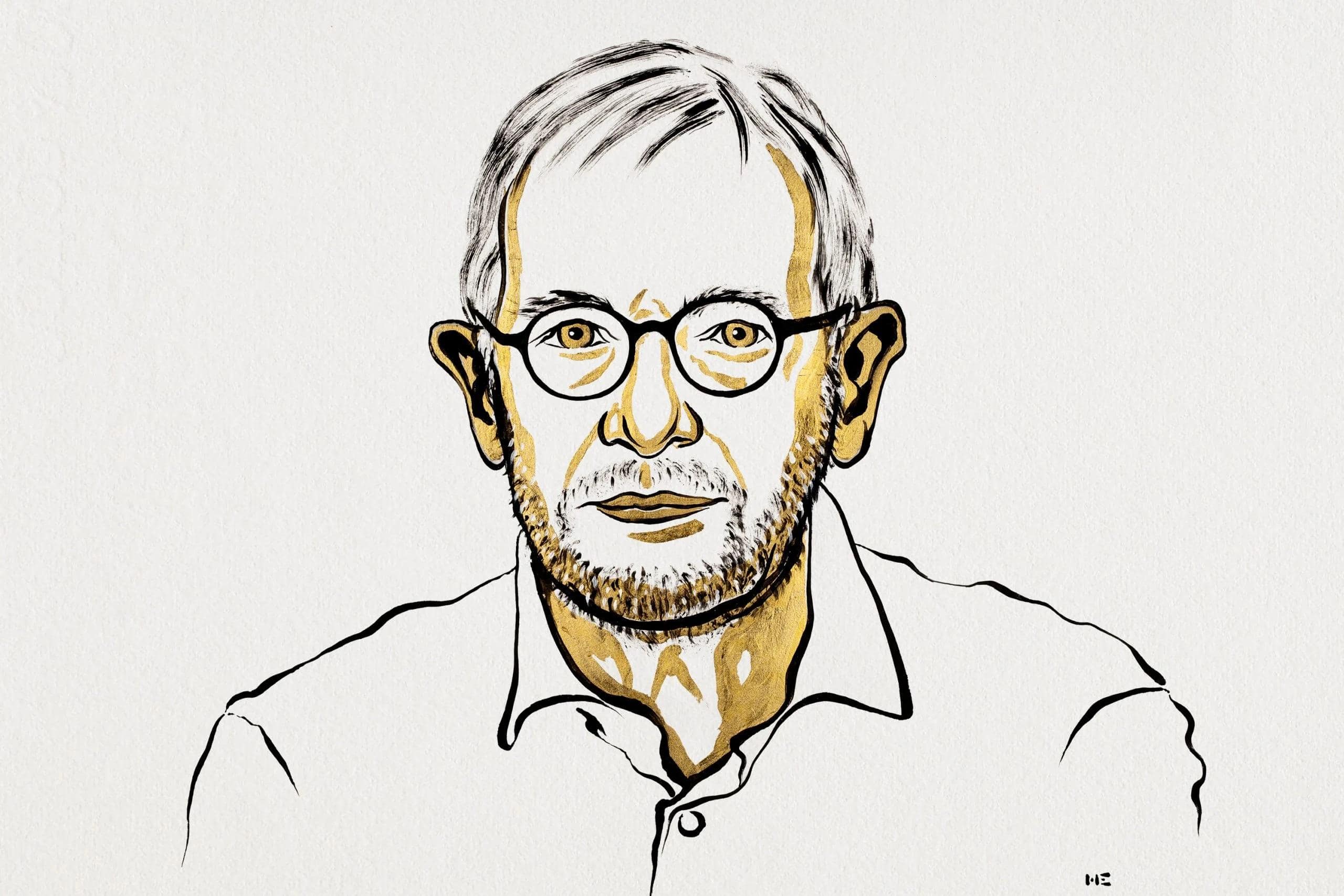
Francis Halzen won the Nobel Prize in physics on Tuesday for his contributions to the IceCube Neutrino Observatory and his discovery of high-energy neutrinos of astrophysical origin.

On Tuesday, Francis Halzen was awarded the Nobel Prize in Physics for his groundbreaking work on high-energy neutrinos of astrophysical origin using the IceCube Neutrino Observatory. The 82-year-old scientist, born in Belgium and affiliated with the University of Wisconsin–Madison in the U.S., led an international team of researchers and engineers in creating a remarkable instrument.
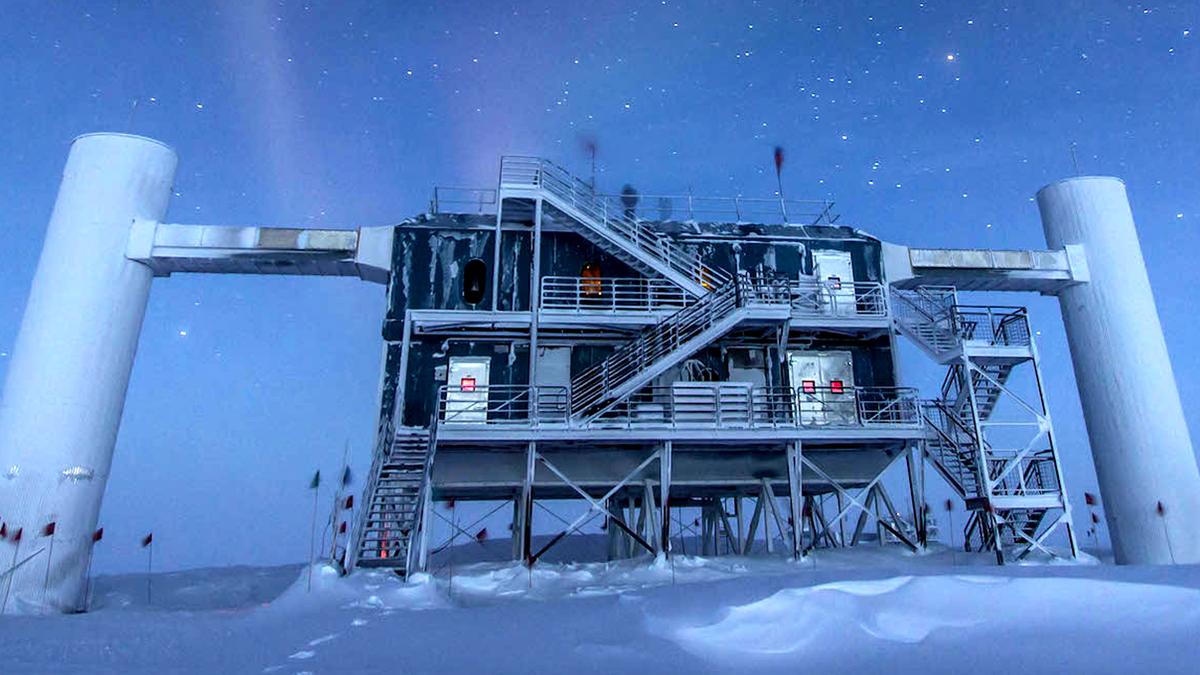
Halzen's tenacity and scientific vision paved the way for a new kind of astronomy, according to Mark Pearce, chair of the Nobel Committee for Physics, who called the discovery a fantastic achievement. The IceCube Neutrino Observatory, located at the South Pole in Antarctica and led by the University of Wisconsin–Madison, was established in the 1980s and has since detected high-energy neutrinos from space, providing a completely new way to observe the universe.
The Royal Swedish Academy of Sciences awarded the prize, with a monetary sum of 12 million Swedish kronor (approximately $1.2 million), which can be given to an individual, a small group of laureates, or an organization.
Written by urgent.news from Phys.org's reporting — not their text. Machine-written — may contain errors; check the original before relying on it.
Also reported by 11 other outlets
- Francis Halzen wins 2026 Nobel Prize in Physics scmp.com
- Francis Halzen wins 2026 Nobel Prize in Physics dailymaverick.co.za
- Francis Halzen wins Physics Nobel for high-energy neutrino discovery business-standard.com
- Francis Halzen wins Nobel Prize in physics for work on high-energy neutrinos from space npr.org
- Francis Halzen wins 2026 Nobel Prize in Physics for contributions to IceCube Neutrino Observatory hindustantimes.com
- Francis Halzen wins 2026 Nobel Prize in physics japantimes.co.jp
- Francis Halzen wins Nobel Prize in Physics physicsworld.com
- Nobel Prize in Physics Is Awarded to Francis Halzen nytimes.com
- and 3 more