Forget El Niño, South Africa’s harvest faces a new threat beyond drought
The threat of ransomware attacks on the global food and agriculture sector continue to rise.
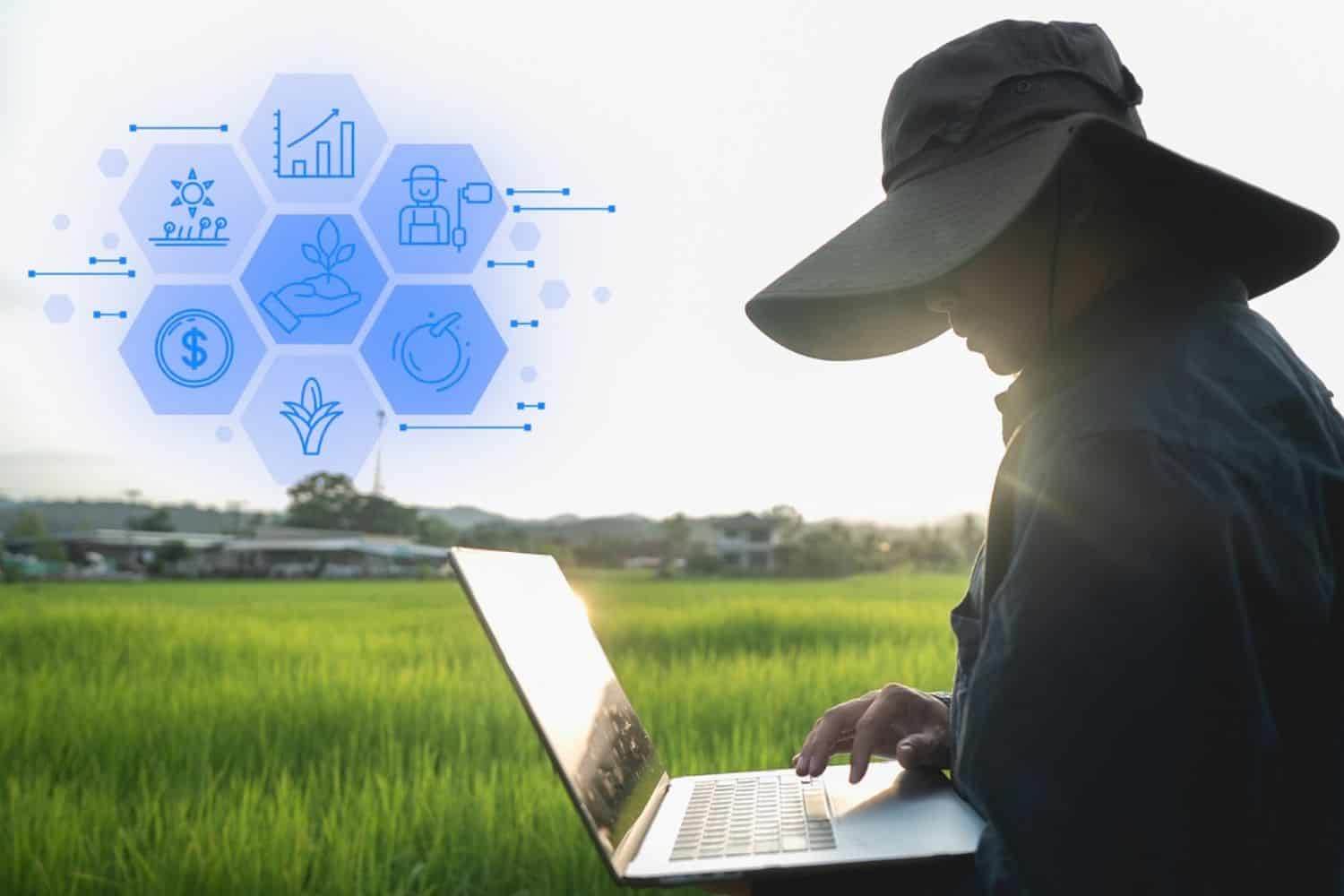
South Africa braces for what may be one of its driest and hottest springs in over a decade as farmers turn to advanced technologies to safeguard crops and conserve water. However, with the increasing automation of irrigation systems, soil sensors, and supply chains, the vulnerability to cybersecurity threats is growing concurrently.
Experts warn that cybercriminals are increasingly targeting these automated systems, which were not initially designed with security in mind. Doros Hadjizenonos, Regional Director for Southern Africa at Fortinet, explains that devices such as pivot irrigators and soil sensors now adjust irrigation based on real-time data, leaving them susceptible to cyberattacks.
The United States’ National Oceanic and Atmospheric Administration (NOAA) forecasts below-normal rainfall and above-normal temperatures across most of South Africa between October and December, as a strong El Niño event builds to its peak. This event is expected to become a very strong one during the Northern Hemisphere autumn and winter of 2026/27, with a greater than 90% chance of occurring.
The Food and Agriculture Cybersecurity Institute's 2026 State of the Threat report indicates that ransomware attacks on the global food and agriculture sector are on the rise. Hadjizenonos emphasizes that the attackers are targeting systems that are critical to operations, as stopping them would be financially infeasible. The impact of these cyber threats extends beyond individual farms, as South Africa's agricultural exports have reached R268.7 billion in 2025, a significant increase from R243.7 billion in 2024.
In the second quarter of 2026 alone, agricultural exports totaled about R65 billion, a 10% rise compared to the same period a year earlier. As farmers are pressured to produce more with fewer resources, the stakes are higher than ever. Every connected device in the agricultural ecosystem could potentially expand the attack surface, making cybersecurity a crucial aspect of supply chain resilience.
Written by urgent.news from The Citizen's reporting — not their text. Machine-written — may contain errors; check the original before relying on it.