Exclusive-In interview, US Vice President Vance says Iran must cut enrichment to end war
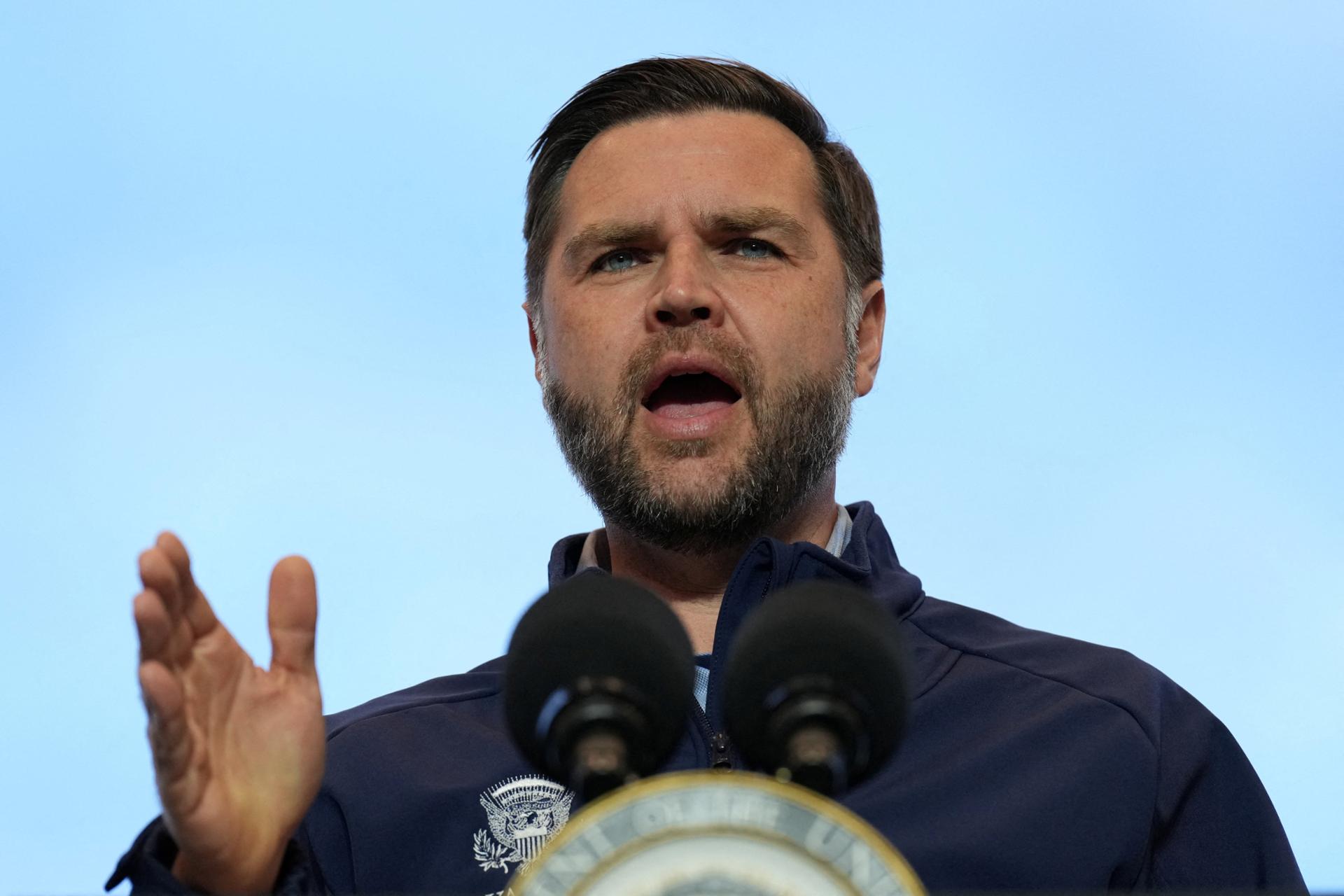
By Jacob Bogage FAIRBANKS, Alaska, Oct 6 (Reuters) - US Vice President JD Vance said in an exclusive interview with Reuters that Iran must make a “meaningful” reduction in its nuclear enrichment capacity to satisfy US demands and end the countries’ seven-month war, even as Washington was unsure how Tehran makes decisions in negotiations.
US Vice President JD Vance stated in an exclusive interview with Reuters that Tehran must make substantial cuts to its nuclear enrichment activities in order to bring an end to the ongoing seven-month war between Iran and the United States. Despite Washington's uncertainty regarding Iran's decision-making process, Vance emphasized that any agreement would necessitate Iran reducing its nuclear enrichment capacity, rather than merely offering assurances of future restraint.
The conflict has caused global energy market disruptions and has become a political liability for President Donald Trump and fellow Republicans as they approach the November midterm elections. Vance argued that if Iran wishes to demonstrate a commitment to not developing nuclear weapons, then they should take meaningful action to reduce their enrichment capacity.
Recent proposals from both sides aimed at ending the war and reopening the strategic Strait of Hormuz have fallen short, with US President Donald Trump rejecting Iran's latest offer and threatening further military action after the midterm elections. The US is engaged in discussions with Iranian President Masoud Pezeshkian and Foreign Minister Abbas Araqchi, but the extent of their decision-making authority within Iran's complex power structure remains unclear.
Trump has expressed concerns about the lack of clarity in identifying Iran's decision-makers, attributing it to contradictory statements and mixed messaging from US officials. Vance, however, has reportedly held private conversations with field commanders to assess battlefield conditions, asserting that while there are shortages of critical munitions, Iranian troops are unable to prevent the shipping of oil and gas through the Strait of Hormuz.
The war's financial burden of $3 billion per month has become a key issue in the campaign, with rising energy costs affecting competitive states and influencing voters' decisions on election outcomes. Vance has tried to downplay Trump's handling of the conflict, urging voters to support Republicans in the upcoming elections despite their concerns.
Written by urgent.news from Investing.com's reporting — not their text. Machine-written — may contain errors; check the original before relying on it.
This story
This is one outlet's version. Read the fullest account.
- Iran must cut enrichment to end war, US uncertain who makes decisions in Tehran, Vance says jpost.com
- In interview, US Vice President Vance says Iran must cut enrichment to end war koreatimes.co.kr
- Transcript of US Vice President Vance interview in Alaska al-monitor.com
- Iran Must Cut Enrichment To End War: JD Vance ndtv.com
- Vance: Iran must make 'meaningful' nuclear concessions to end war israelnationalnews.com
- Transcript of US Vice President Vance interview in Alaska investing.com