In interview, US Vice President Vance says Iran must cut enrichment to end war
Vance said any agreement would require Iran to reduce its nuclear enrichment capacity, rather than offer assurances of future drawdowns.
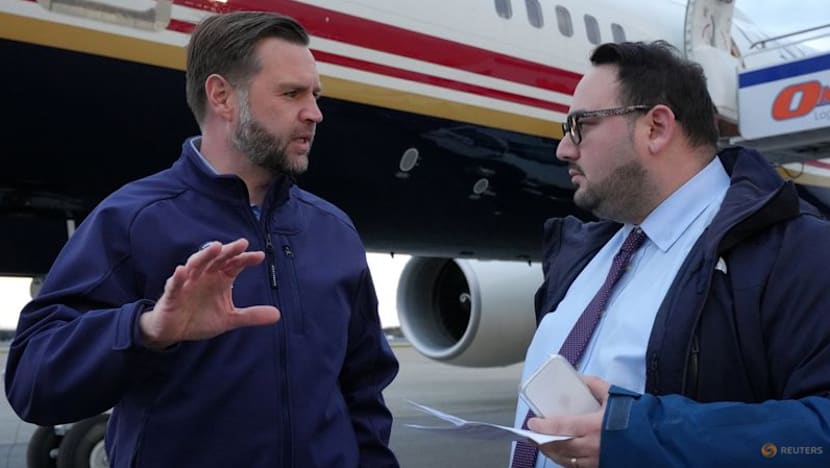
US Vice President JD Vance stated in an exclusive interview that Iran must significantly reduce its nuclear enrichment capacity to satisfy American demands and bring an end to the ongoing seven-month conflict. Vance, known for his skepticism towards US military engagements abroad, has been at the forefront of negotiating a settlement to the war, which recently culminated in a provisional peace agreement in September, although this agreement quickly unraveled.
The war has had far-reaching consequences, disrupting global energy markets and posing a political challenge for President Donald Trump and his Republican allies as they prepare for the November midterm elections.
During the interview, Vance emphasized that any peace agreement would necessitate Iran to cut its nuclear enrichment levels, rather than merely promising future reductions. He questioned the necessity of Iran's possession of 60% enriched fuel, positing that if Iran desires to demonstrate a commitment to non-nuclear weapons development, it should refrain from maintaining highly enriched fuel. Vance maintained that Iran must present substantive nuclear concessions to demonstrate genuine intent in pursuing peace.
Meanwhile, the US remains cautious about Iran's decision-making process. Vance noted that it is unclear who holds the authority to make decisions within Iran's governance structure. He revealed that the US is engaging with Iranian President Masoud Pezeshkian and Foreign Minister Abbas Araqchi, but it remains uncertain how much influence these officials wield within Iran's complex political landscape.
Adding to the complexity, US President Donald Trump recently dismissed Iran's latest offer, warning that military operations might escalate following the midterm elections. Vance reiterated that the US is open to negotiations but insists on concrete Iranian nuclear concessions. He clarified that the US is not trading words for actions.
The war has also become a contentious issue in the political arena, with rising energy prices affecting the US economy and potentially influencing voter preferences. Trump and Republican candidates, including Vance, are under pressure from voters in key competitive states, where the issue of energy costs and affordability is gaining traction.
Vance is set to campaign in Alaska, a state crucial for the Republican Party's electoral prospects, alongside Senator Dan Sullivan, who is facing a tight reelection race against Democratic candidate Mary Peltola. Despite Alaska's strong Republican support in the 2024 election, the state is experiencing a rise in everyday costs, which has made it a potential swing state.
Vance is currently assessing his future political ambitions. He admitted that he is a procrastinator and has not given much thought to the possibility of running for president in 2028. He stated that he has not made any definitive decisions regarding his political future.
Written by urgent.news from Channel News Asia's reporting — not their text. Machine-written — may contain errors; check the original before relying on it.
This story
This is one outlet's version. Read the fullest account.
- Iran war news LIVE: JD Vance says Tehran must make a "meaningful" reduction in nuclear enrichment to end war livemint.com
- In interview, US Vice President Vance says Iran must cut nuclear enrichment to end war brecorder.com
- Iran must cut enrichment to end war, US uncertain who makes decisions in Tehran, Vance says jpost.com
- In interview, US Vice President Vance says Iran must cut enrichment to end war koreatimes.co.kr
- Transcript of US Vice President Vance interview in Alaska al-monitor.com
- Iran Must Cut Enrichment To End War: JD Vance ndtv.com
- Vance: Iran must make 'meaningful' nuclear concessions to end war israelnationalnews.com
- Transcript of US Vice President Vance interview in Alaska investing.com