EV charging company plans to deploy 100,000 Nvidia GPUs in pods at its roadside sites across the US
EV charging firm Xeal plans to use its existing U.S. network to deploy the 'world’s first edge inference compute network using idle EV charging capacity.'
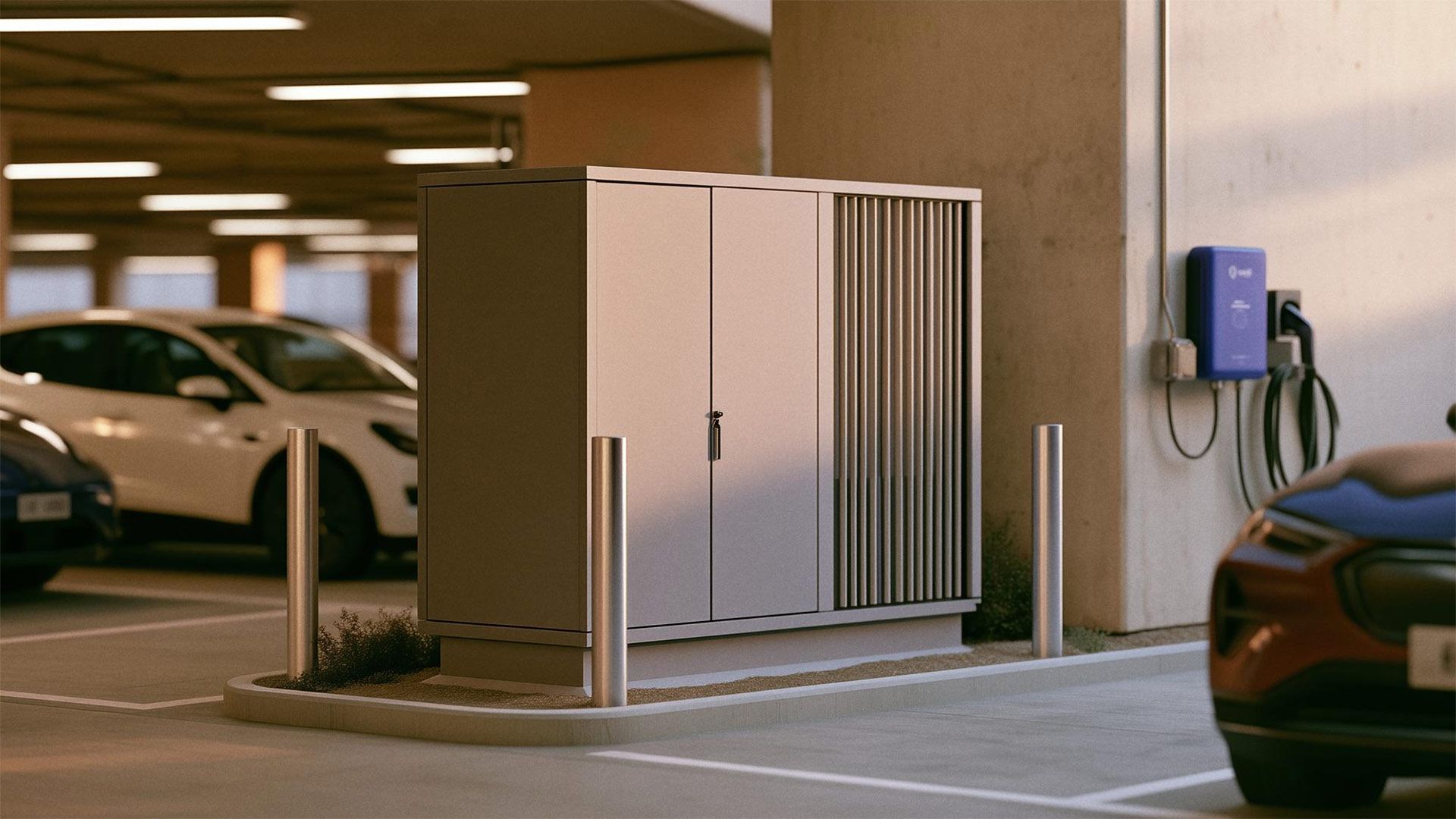
EV charging startup Xeal intends to leverage its current US network to roll out an unprecedented "edge inference compute network" utilizing 100,000 Nvidia GPUs. The ambitious plan hinges on the company's existing 1,600+ charging locations and a permitted 200MW of electrical infrastructure, which can house up to 48 Nvidia Hopper or Blackwell Ultra GPUs per unit in what are known as Latient Pods.
Xeal's Latient Pods are designed to provide inference compute capabilities at locations where traditional data centers are still under construction. Nikhil Bharadwaj, the co-founder and CEO of Xeal, highlighted that these pods offer ultra-low latency processing power while eliminating the need for water hookup and maintaining quiet operation akin to a washing machine. Moreover, each pod is self-contained, features integrated cooling, and is housed in a NEMA 4 enclosure for outdoor durability.
The unique selling point of the Latient Pods lies in their potential to reduce burden on grid infrastructure, thanks to their typically underutilized status, operating below 10% of capacity. In addition to delivering cutting-edge processing power, Xeal anticipates that the pods can generate ancillary revenue for site owners and potentially raise property values by up to $1 million.
With the first Latient Pod set to launch by year-end, Xeal's network promises sub-20ms latency for inference processing close to users, positioning the company as a pioneer in deploying low-latency inference closer to end-users while maximizing the use of existing infrastructure. This initiative comes at a time when EV charging stations have become targets for theft, driven by the copper value of the charging cables.
Written by urgent.news from Tom's Hardware's reporting — not their text. Machine-written — may contain errors; check the original before relying on it.