Elektromobilität: Cyberrisiko Ladeinfrastruktur: Forscher hacken Tesla-Wallbox in 45 Sekunden
Ein Kabel, ein Laptop – dann springt ein Schadprogramm von Gerät zu Gerät. Experten warnen vor Angriffen, die E-Auto-Ladestationen zerstören können – mit enormen Risiken für die Branche.
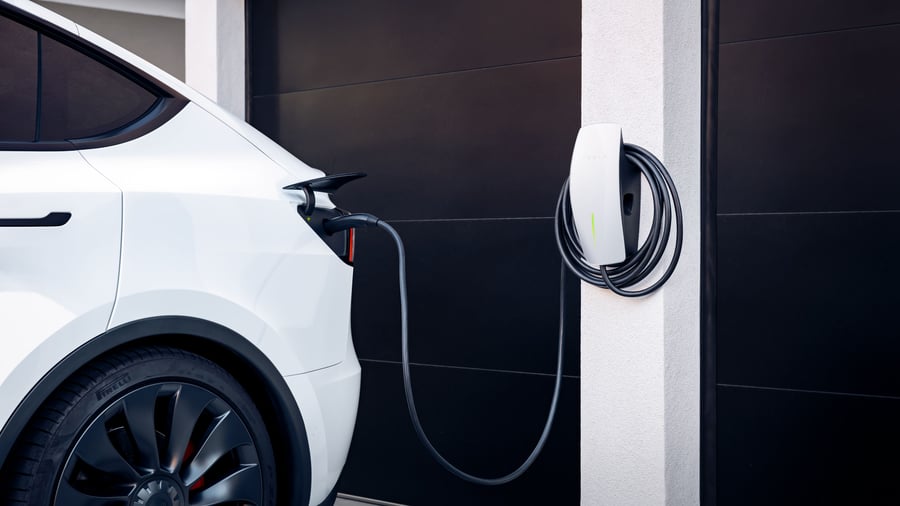
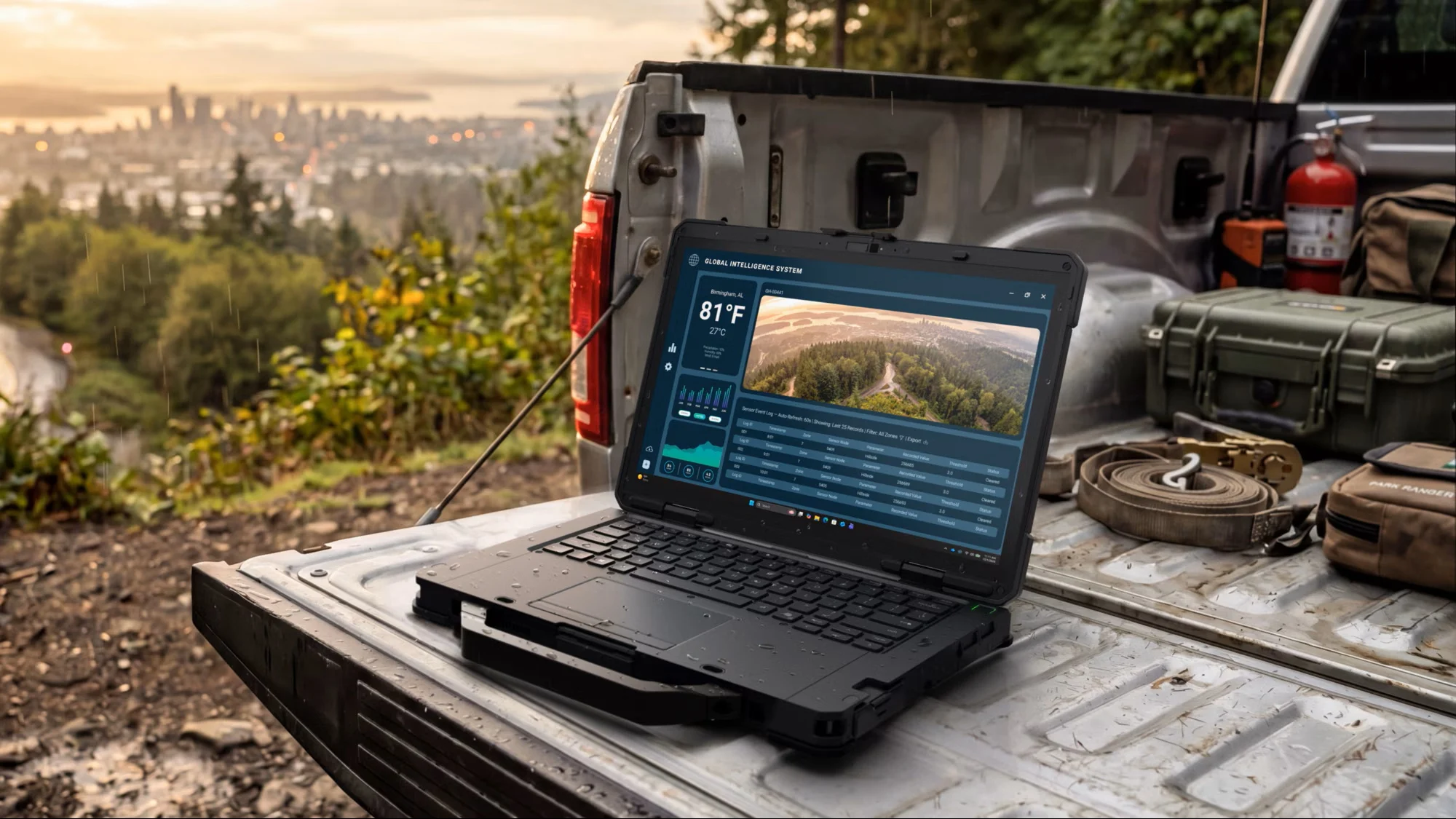
In Düsseldorf, a man with a laptop appears at a company parking lot. He plugs a cable into a Tesla Wallbox, connects an adapter, folds his laptop, and quickly types something on the keyboard. He then shuts everything down, properly secures the charging cable, and leaves. Within 45 seconds, the stranger has hacked the Wallbox. The real danger arises when a car connects to the tampered Wallbox: as soon as it stops, the manipulated Wallbox communicates wirelessly with the car's radio.
The malware travels from the Wallbox into the car's radio and nests there. Later, the vehicle drives to a parking garage. From its radio, the program spreads to two charging stations - one operated by the Chinese provider Autel and the other by the US company Chargepoint. Without any intervention from the original hacker, the malware can reach these stations.
The risks are severe; in the worst-case scenario, the program could destroy the stations or increase the current during the cars' charging process.
Written by urgent.news from Handelsblatt's reporting — not their text. Machine-written — may contain errors; check the original before relying on it.
This story
This is one outlet's version. Read the fullest account.