BoJ’s Ueda: Japan's economy recovering moderately albeit with some weaknesses
Bank of Japan (BoJ) Governor Kazuo Ueda said on Tuesday that the Japanese economy is recovering moderately albeit with some weaknesses. Ueda added that price trend is approaching 2%.
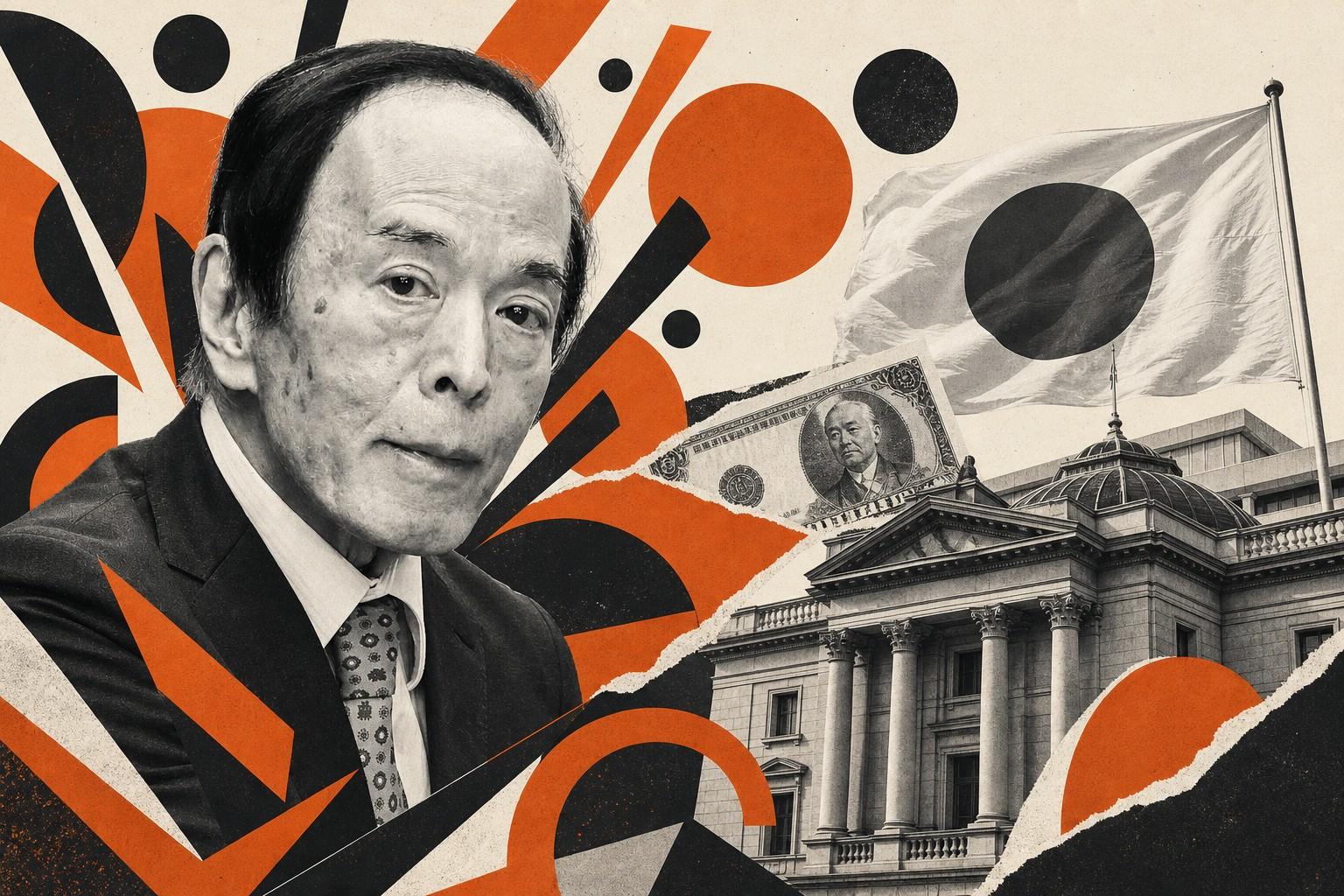
On Tuesday, Bank of Japan Governor Kazuo Ueda stated that Japan's economy is recovering moderately, despite facing some weaknesses. September's Tankan survey indicated a positive business sentiment. Underlying inflation is inching closer to the central bank's 2% target. The economy, prices, and financial conditions are moving in line with the BoJ's baseline forecasts.
Even after the September rate hike, financial conditions remain accommodative, supporting economic activity. Ueda has indicated that the Bank of Japan will continue to raise policy rates as economic, price, and financial developments warrant. The pace and timing of future policy adjustments will be determined by the likelihood of the baseline projections materializing and the prevailing risks.
Maintaining underlying inflation around 2% is crucial. At the time of writing, the USD/JPY pair was up 0.18% on the day at 158.20. The BoJ's speech received a score of 7.2, aligning closely with Ueda's typical tone. Emphasizing a "moderately recovering" economy, favorable business sentiment, and accommodative financial conditions, even after the September rate increase, suggests a mildly hawkish stance.
The BoJ remains committed to gradual rate hikes while avoiding overly aggressive tightening. By highlighting that underlying inflation is approaching 2% and that the economy and prices are aligning with baseline forecasts, Ueda demonstrates confidence in the central bank's trajectory toward its inflation target, providing a constructive backdrop for the Japanese Yen.
The Yen's value is primarily influenced by Japan's economic performance, the interest rate differential between Japanese and US bonds, and trader risk sentiment, among other factors. The BoJ has occasionally intervened in currency markets, typically to lower the Yen's value, but generally avoids such actions due to political considerations with its key trading partners.
Japan's ultra-loose monetary policy from 2013 to 2024 allowed the Yen to depreciate against other major currencies due to policy divergence between the Bank of Japan and other central banks. As the BoJ gradually unwinds this policy, it has provided some support to the Yen. Over the past decade, the BoJ's adherence to ultra-loose monetary policy has widened the policy gap with other central banks, particularly the US Federal Reserve, supporting the US Dollar against the Japanese Yen.
The Bank of Japan's decision in 2024 to gradually abandon the ultra-loose policy and cut interest rates alongside other major central banks is narrowing this differential. The Yen is often considered a safe-haven currency, meaning that during market stress, investors tend to flock to the Japanese currency due to its perceived reliability and stability.
In times of turmoil, the Yen's value is likely to increase relative to other riskier currencies. Gold maintained modest losses during the European session but remained above the $4,100 mark, a two-month low. The US Dollar retained its bullish outlook, pressuring gold's demand. However, the fading expectations for an October Fed rate hike acted as a tailwind for the non-yielding asset, limiting further losses.
No tier-1 releases were scheduled for the day, and market focus would shift to developments in European markets and geopolitical events in the Middle East.
Written by urgent.news from FXStreet's reporting — not their text. Machine-written — may contain errors; check the original before relying on it.