Urgent.News

What's breaking now, across thousands of outlets.

Health & Medicine

Would homegrown LEN cost more? Why SA should still make the HIV prevention jab

South Africa aims to manufacture the revolutionary six-monthly HIV prevention injection lenacapavir locally. Experts weigh the need for rapid, affordable access against building long-term regional production capacity.
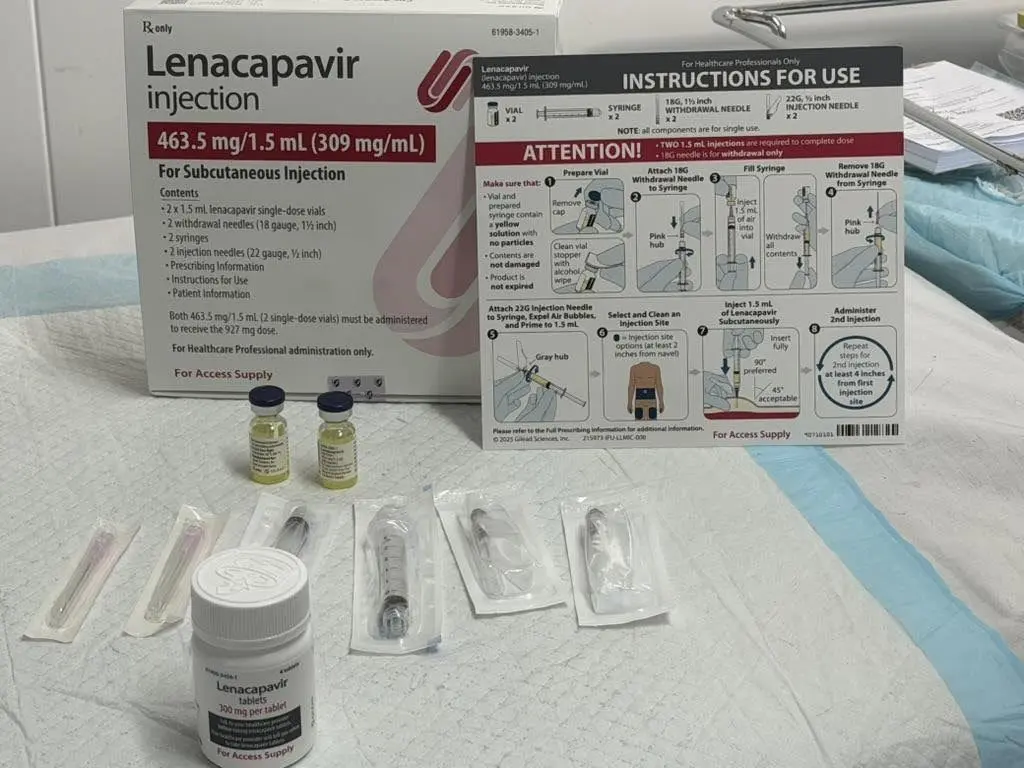
Would homegrown LEN cost more? Why SA should still make the HIV prevention jab

We haven't written up this one. Mail and Guardian has the full story — the link below goes straight to it.


Read the original at mg.co.za →

More in Health & Medicine

Pharmacy Services Formally Begin in Islamabad

Pharmacy services have officially begun in Islamabad, with the ICT TGR Rules notifying pharmacists’ professional responsibilities and job descriptions. The … Read More The post Pharmacy Services Formally Begin in Islamabad appeared first on ProPakistani .

HealthHub Clinics opens expanded multi-specialty clinic at UW Mall

HealthHub Clinics, part of Al-Futtaim Health, the healthcare arm of Al-Futtaim, has opened its expanded multi-specialty clinic at UW Mall following its relocation from Al Karama, strengthening access to primary and specialist care for residents, families and working communities in the surrounding area.

Cancer-fighting t cells burn out. Scientists may have found a fix

Cancer immunotherapy can lose its punch when tumor-fighting T cells become exhausted, but researchers may have found a way to keep them going longer. Scientists at Memorial Sloan Kettering Cancer Center identified a signaling molecule called MEK that can push T cells to burn through their energy while producing cancer-killing proteins.

More from Monday 5 October →