Without ideas or proposal, Prabowo stands on BRICS periphery
Indonesia may have secured a place at the BRICS table. But a seat at the table is not the same thing as having something distinctive to say at it.
Indonesia has secured a seat at the BRICS table, but that does not equate to having a unique perspective to share. When a nation first steps onto the world stage in the aftermath of colonial rule, as Indonesia did in 1955, it presents a distinct worldview. That worldview, forged in the crucible of independence, emphasized sovereignty, equality, anti-colonialism, nonintervention, and mutual benefit.
Fast forward to 2023, and Indonesia now occupies a more significant role within BRICS, alongside heavyweight nations like China, India, and Russia. President Prabowo Subianto addressed the group during the September summit, focusing on resilience, food security, energy, education, and economic strength. While these are indeed crucial national priorities, they predominantly reflect how Indonesia intends to strengthen its position within the existing global order rather than proposing a transformative alternative.
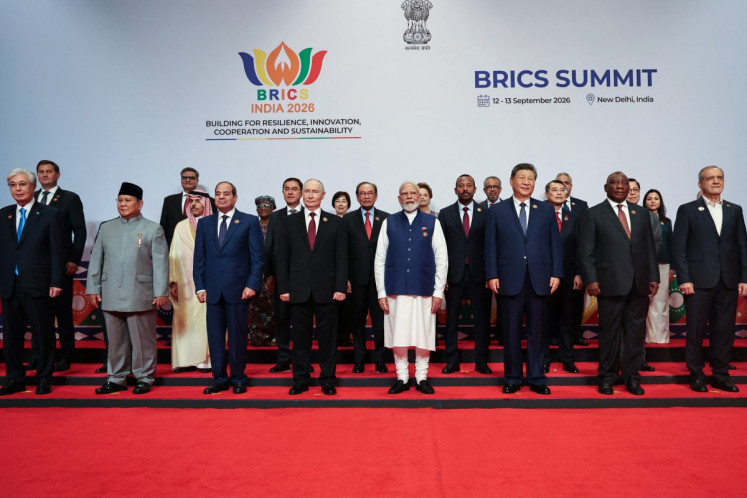
The photographs from the BRICS summit in New Delhi starkly illustrate this point. Among leaders like China’s Xi Jinping, India’s Narendra Modi, and Russia’s Vladimir Putin, Prabowo appears somewhat peripheral, walking behind Xi rather than standing alongside the other titans. Even Brazil’s president, Luiz Inácio Lula da Silva, who sent his foreign minister in his stead, took a more prominent position ahead of Prabowo in the group photo.
Essentially, Indonesia's presence at BRICS represents an extension of its national interests within the current international framework, rather than a platform to advocate for a new, revolutionary global order.
Written by urgent.news from The Jakarta Post's reporting — not their text. Machine-written — may contain errors; check the original before relying on it.