What to expect at a mammogram and how to make it less scary
Mammograms can feel intimidating, but knowing what happens before, during and after the appointment can make the experience less stressful and easier to face calmly.
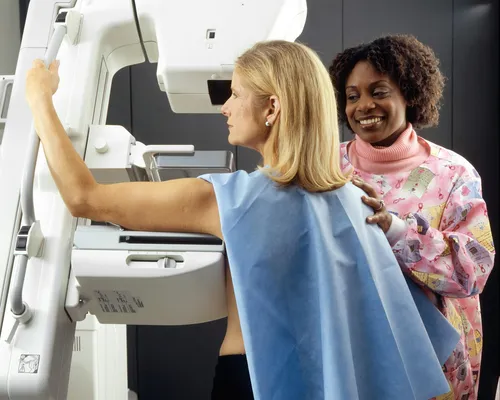
Many women experience anxiety about undergoing a mammogram, not necessarily due to the procedure itself, but rather due to uncertainty about the experience. Breast Cancer Awareness Month in October serves as a reminder that mammograms can detect breast cancer early, often before symptoms are present. However, it's crucial to address the anxiety associated with screening rather than dismissing it.
Understanding what to anticipate can significantly reduce the apprehension surrounding the appointment. There isn't a one-size-fits-all screening schedule for all women. Factors such as age, family history, and individual risk assessments influence the recommendation. In South Africa, the Cancer Association of South Africa (CANSA) advises annual mammograms for women over 40 who have no symptoms, while those aged 55 and above can opt for screenings every two years, though annual screenings remain an option.
Individuals with heightened risk factors may require a customized screening plan, and consulting a healthcare provider to determine the most suitable approach is essential. The preparation for a mammogram is relatively straightforward, though a few minor adjustments can enhance comfort during the appointment. If breasts are particularly tender before menstruation, scheduling the mammogram during a phase of less sensitivity is advisable.
The most daunting aspect for many women is the compression step, which often evokes mixed feelings of discomfort or pain. It's important to communicate openly with the mammographer if the compression is causing discomfort, as it is necessary for better imaging results. Throughout the screening, a series of images are captured from various angles, and the entire procedure typically lasts around 20 minutes, though the duration may differ across facilities.
The experience post-screening involves a radiologist interpreting the images and providing a report to the referring doctor or healthcare provider. It's crucial to understand that a call back does not invariably signify breast cancer. Unclear images, areas requiring further examination, or the need for additional views are common occurrences, especially after the first mammogram, as there are no prior images for comparison.
Subsequent testing may entail additional mammograms or ultrasounds, with the healthcare provider detailing the necessary steps. While mammograms are a vital screening tool, they are not infallible. Some cancers may be challenging to detect on a mammogram, particularly in women with dense breast tissue. Therefore, it's imperative to consult a healthcare professional if any new or unusual breast changes are observed, even if a recent mammogram was deemed normal.
Do not hesitate to express any fears or discomfort to the mammographer; speaking up can alleviate some of the anxiety and allow the practitioner to assist effectively. Although the mammogram may not be the most comfortable few minutes, being informed about the process can significantly diminish the intimidation factor. The key takeaway is not to let the fear of the appointment deter one from a crucial screening test.
Written by urgent.news from IOL's reporting — not their text. Machine-written — may contain errors; check the original before relying on it.