U.S. Navy tests maritime surveillance drone capable of flying at an altitude of 12 kilometers
The U.S. Navy tested a remotely piloted unmanned aircraft capable of operating at an altitude of 12,000 meters for up to 30 hours, Interesting Engineering reported on Oct. 5.
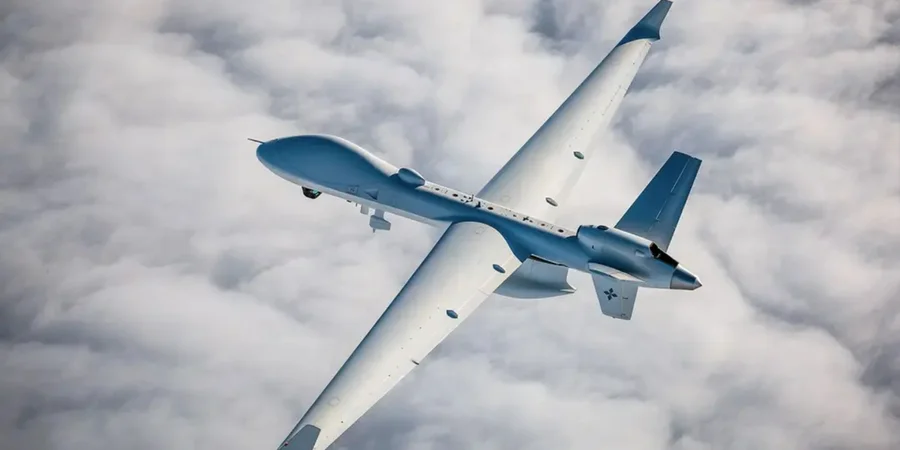
The U.S. Navy recently conducted tests on a new maritime surveillance drone, the MQ-9B SeaGuardian, which boasts the ability to fly at an altitude of 12,000 meters for up to 30 hours. Developed by General Atomics Aeronautical Systems, the SeaGuardian is a maritime version of the MQ-9B unmanned aircraft system. The aircraft, which is operated under a company-owned, company-operated contract with General Atomics, has been evaluated by the Maritime Patrol and Reconnaissance Force's Commander's Operational Group.
Patrick Shortsleeve, GA-ASI vice president of strategic development for the Department of Defense, expressed enthusiasm for the SeaGuardian's demonstration at the Navy tactical symposiums held on Whidbey Island. He noted that the platform, which is capable of operating in all weather conditions, supports a range of missions including maritime domain awareness, maritime surveillance, anti-surface warfare, anti-submarine warfare, and search-and-rescue operations.
With a wingspan of about 24 meters and a length of 11.7 meters, the SeaGuardian weighs approximately 5,670 kilograms at maximum takeoff. Powered by a Honeywell TPE331-10 turboprop engine, the aircraft can reach a maximum speed of about 210 knots and an altitude of over 12 kilometers. Its long endurance, satellite communications, and advanced sensors enable it to monitor maritime areas for extended periods, providing real-time situational awareness to joint forces and civilian authorities.
Written by urgent.news from New Voice of Ukraine's reporting — not their text. Machine-written — may contain errors; check the original before relying on it.