Sensitive skin? 5 skincare ingredients worth a closer look
Fragrance may be a trigger, while some frequently criticised ingredients are gentler than their reputation might suggest.
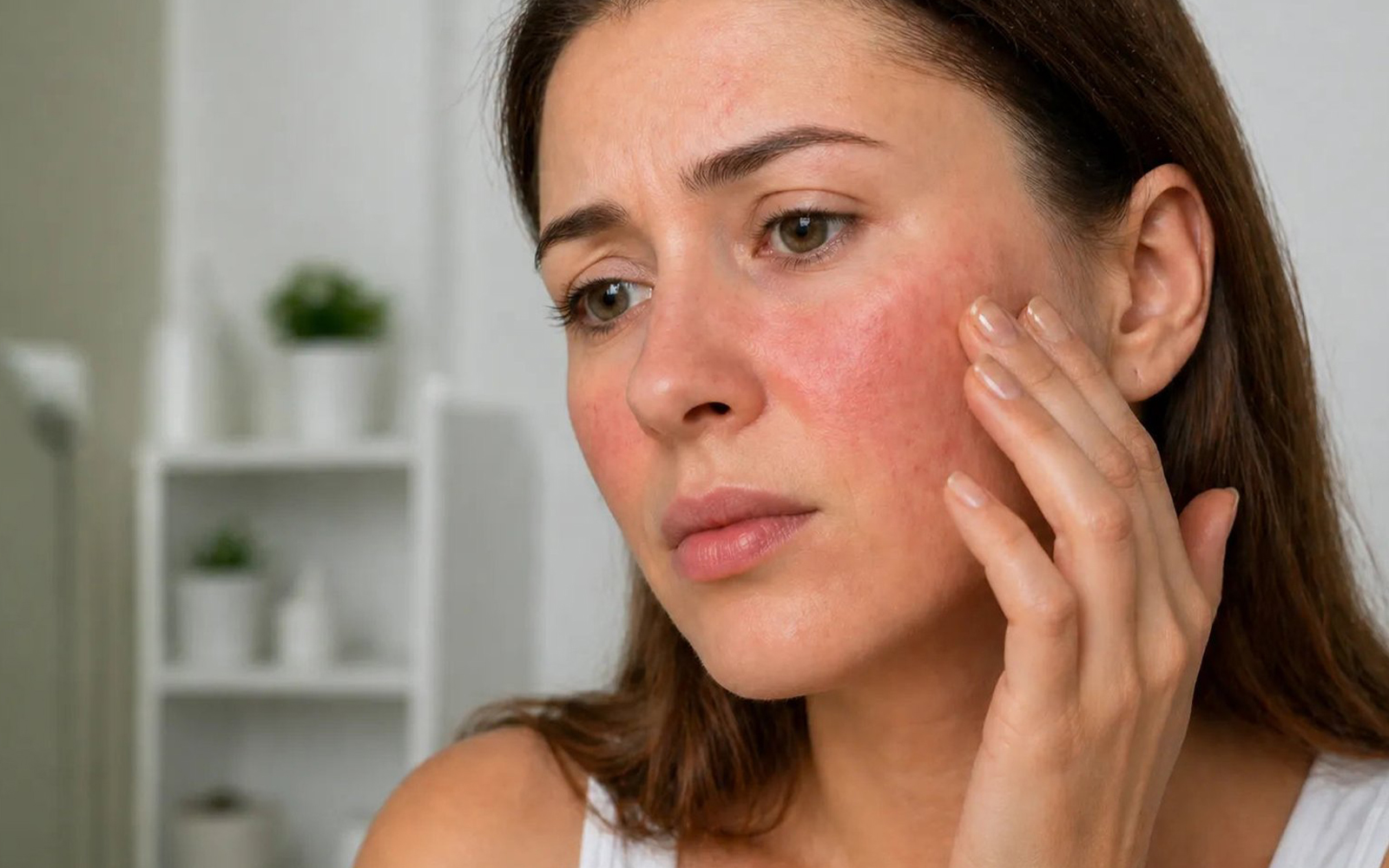
Sensitive skin can react to various skincare ingredients, causing redness, itching, or stinging. Instead of overwhelming the skin with multiple products, a simplified routine using a gentle cleanser, moisturiser, and sunscreen can be a good starting point. Not all products labelled as "natural," "hypoallergenic," or "additive-free" are guaranteed to suit all skin types.
Instead, the overall formulation and the individual's reaction to it matters. Here are five commonly discussed ingredients and their impact on sensitive skin:
1. Fragrance: Fragrance can be a common trigger for cosmetic allergies, causing reactions such as itching, redness, and swelling. Both synthetic and natural fragrance ingredients, including essential oils and botanical extracts, can lead to reactions. The American Academy of Dermatology recommends choosing fragrance-free products over unscented ones, as unscented products may contain masking ingredients.
2. Certain types of alcohol: Not all alcohols in skincare products are harmful. Short-chain alcohols like ethanol and denatured alcohol are often used to make products lighter and quicker-drying. However, they can sting or feel drying on already irritated skin. Fatty alcohols such as cetyl, stearyl, and cetearyl alcohol are generally used as emollients or to improve a product's texture. Being aware of additives in a facial product can help consumers spot potential triggers.
3. Colour additives: Colorants in skincare products are often used for visual appeal and do not offer skin benefits. Certain colour additives can cause allergic reactions in some individuals, but synthetic dyes do not automatically clog pores. Checking the full ingredient list is more informative than judging a product by its appearance.
4. Lanolin: Lanolin, derived from wool, is used in creams and ointments to soften skin and reduce moisture loss. However, it may cause allergic contact dermatitis in some individuals, particularly those with damaged or inflamed skin. If a person has had a previous reaction or tested positive through medical patch testing, avoiding lanolin is advisable. However, many can use it without irritation, so its presence alone does not indicate a problem for sensitive skin.
5. Mineral oil: Derived from petroleum, cosmetic-grade mineral oil is not inherently harmful. It is an occlusive ingredient that forms a layer over the skin, slowing moisture loss. Mineral oil is commonly used in moisturisers for dry skin and has been found effective in treating mild to moderate dryness in a randomised clinical trial.
Heavier or highly occlusive products might aggravate acne or folliculitis in certain users, but individual response and overall formulation matter. For easily irritated skin, gentle cleansing and avoiding harsh scrubbing is recommended.
Written by urgent.news from Free Malaysia Today's reporting — not their text. Machine-written — may contain errors; check the original before relying on it.
This story
This is one outlet's version. Read the fullest account.
- Sensitive skin? 5 skincare ingredients worth a closer look freemalaysiatoday.com