Sensitive skin? 5 skincare ingredients worth a closer look
Fragrance may be a trigger, while some frequently criticised ingredients are gentler than their reputation might suggest.
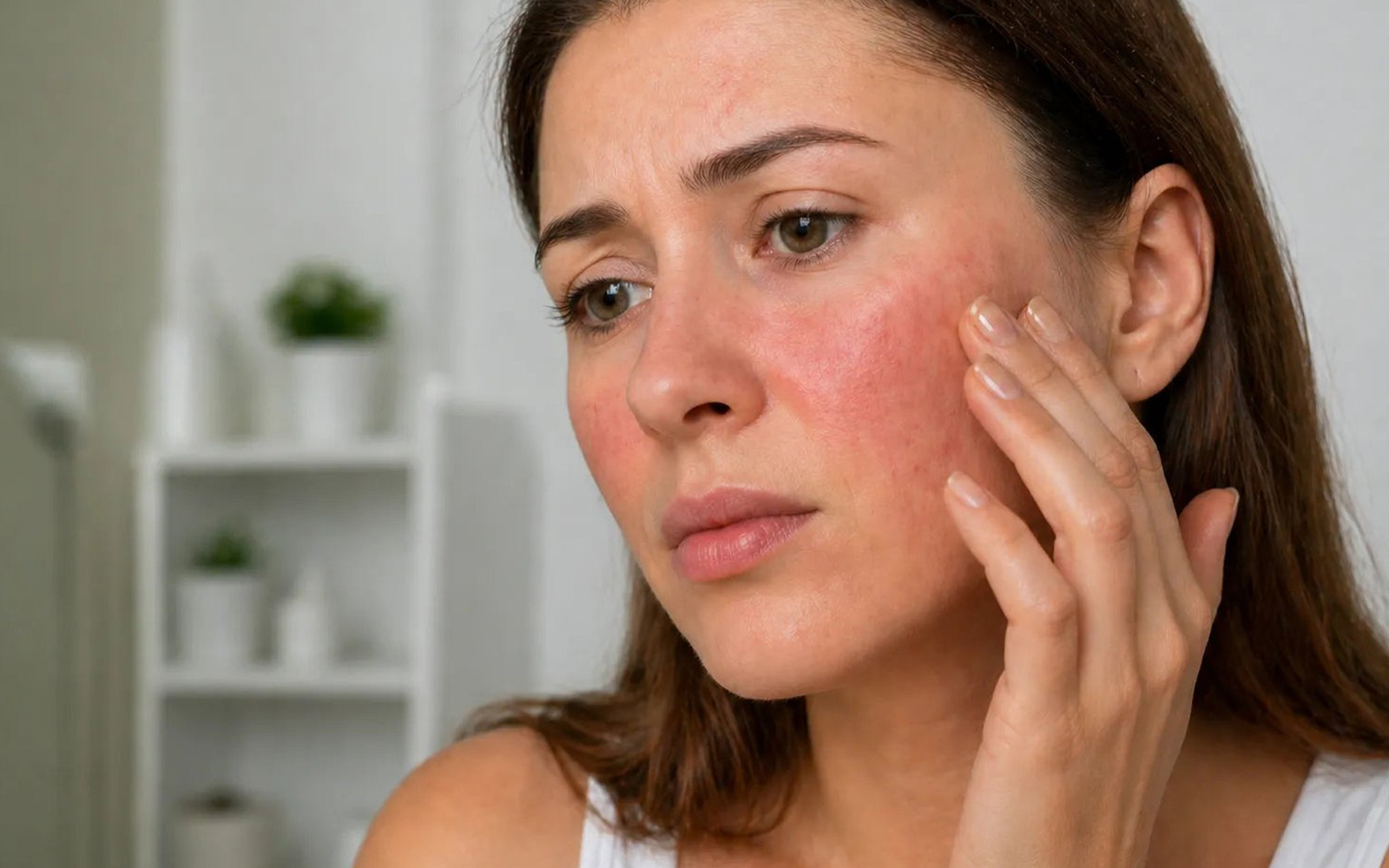
For those with sensitive skin, irritation can manifest as redness, stinging or itching. Instead of adding more products to the routine in the hope of finding relief, it may be better to start with a more straightforward regimen. Gentle cleansers, moisturisers and sunscreen form the foundation of a sensitive skin-friendly routine.
Despite the popularity of terms like "natural," "hypoallergenic" and "additive-free," these do not guarantee a product will be suitable for everyone. What truly matters is the overall formulation and how the individual's skin responds to it.
Certain ingredients are more commonly associated with sensitivity issues. Fragrance, for instance, is a frequent trigger for cosmetic allergies. Both synthetic and naturally derived fragrance ingredients can cause reactions, which may appear hours or even days after exposure. The American Academy of Dermatology advises looking for products labelled "fragrance-free," as items marked "unscented" may still contain masking agents.
Not all alcohols are created equal when it comes to skin health. Short-chain alcohols like ethanol and denatured alcohol can feel drying or sting on already-irritated skin. However, fatty alcohols such as cetyl, stearyl and cetearyl alcohol are generally used for their moisturising properties and are less likely to cause irritation. It's essential to be aware of the additives in any facial product to spot potential triggers.
Colour additives, while often used to enhance a product's appearance, do not necessarily offer any skin benefits. The US Food and Drug Administration lists dyes as ingredients that can provoke allergic reactions in some individuals. However, this does not mean every synthetic dye is harmful or that all colour additives lead to pore clogging. If you have a history of reactions to colour additives, opting for colour-free formulas may be beneficial during the process of identifying triggers.
Lanolin, derived from wool, is commonly found in rich creams and ointments. It can soften skin and reduce moisture loss, but it may cause allergic contact dermatitis in some people. If you've had a reaction to lanolin or tested positive for it during patch testing, it's wise to avoid it. However, many individuals can use lanolin without issues, so its presence alone does not necessarily make a product unsuitable for sensitive skin.
Mineral oil, despite its petroleum-based origins, is not inherently harmful. It is an occlusive ingredient that forms a protective layer on the skin, slowing moisture loss. Mineral oil has been used for years in moisturisers for dry skin and has been found effective in treating mild to moderate dryness. However, heavier or highly occlusive products may exacerbate acne or folliculitis in certain users. For those with easily irritated skin, gentle cleansing with lukewarm water and avoiding harsh scrubbing is recommended.
Written by urgent.news from Free Malaysia Today's reporting — not their text. Machine-written — may contain errors; check the original before relying on it.
Also reported by 1 other outlet
- Sensitive skin? 5 skincare ingredients worth a closer look freemalaysiatoday.com