Russia ‘pneumonic plague’: What we know about the quarantine in Siberia after a researcher’s death
U.S. investigators are closely monitoring reports that dozens of people are in quarantine after the death of a Russian laboratory worker studying the plague in Siberia. The Centers for Disease Control and Prevention (CDC), the State Department, the Administration for Strategic Preparedness and Response , and other U.S. government agencies are trying to determine what happened after a 28-year-old…
U.S. officials are closely monitoring reports of dozens of individuals under quarantine in Siberia following the death of a Russian lab worker studying the plague. The Centers for Disease Control and Prevention (CDC), the State Department, and other U.S. agencies are investigating the cause of death of a 28-year-old female technician at the Irkutsk Research Anti-Plague Institute who died after being diagnosed with pneumonia of an unknown origin.
Russian officials told Secretary of State Marco Rubio that other lab workers may be at risk, though they do not believe the situation is alarming at this time. The victim's cause of death remains under investigation, with one report suggesting she accidentally broke a test tube containing the pneumonic plague pathogen on September 25 and subsequently died in a hospital.
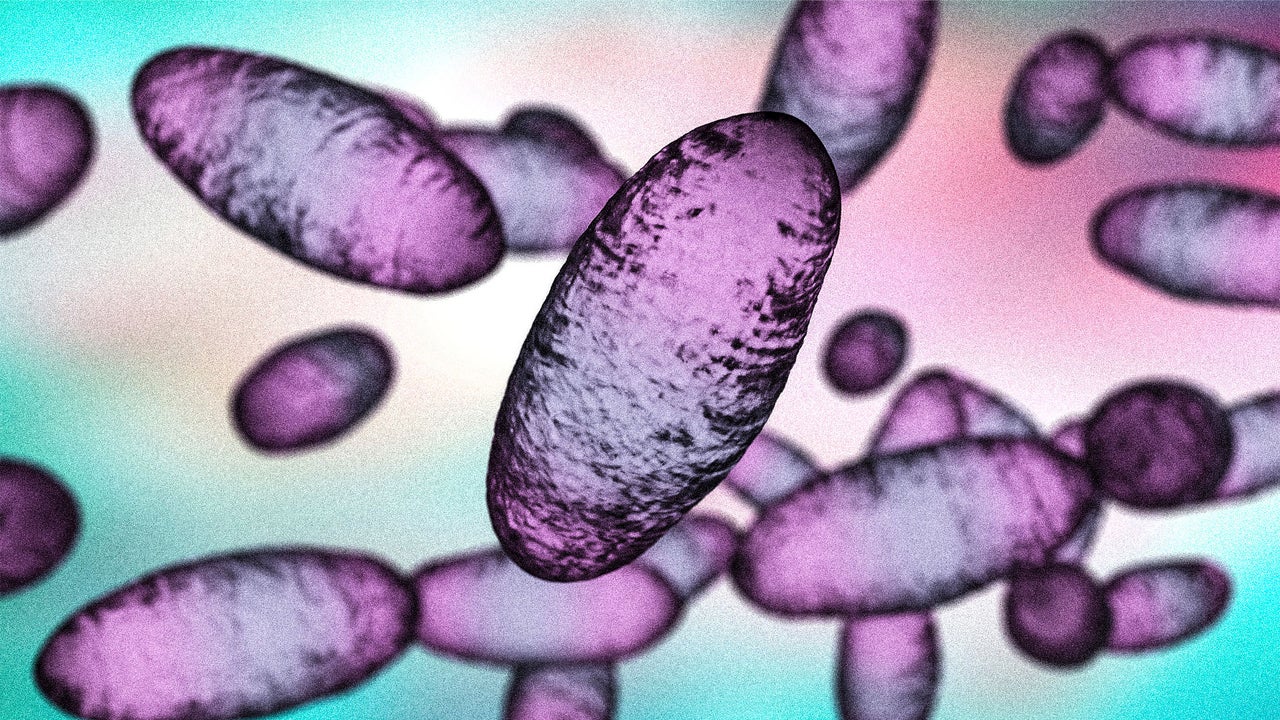
Nearly 200 people who may have had contact with the researcher are now under medical observation. The mayor of Shelekhov, the town at the center of the potential outbreak, has implemented a range of anti-epidemic measures. Plague, caused by the bacterium Yersinia pestis, can be transmitted through infected rodent fleas or direct contact with an infected animal.
It can be treated with antibiotics but requires prompt medical attention. The most serious form, pneumonic plague, develops when the bacteria spread to the lungs and is the only type that can be transmitted person-to-person. It has a short incubation period of just one day.
Written by urgent.news from Fast Company's reporting — not their text. Machine-written — may contain errors; check the original before relying on it.