Using AI too much? Doctor shares 5 warning signs to watch out for before it takes a toll on your mental health
AI usage can become a concern when it starts replacing even minor things that one should be doing by themselves. A doctor explained how it may impact your mental well-being in the long run. Take a look.
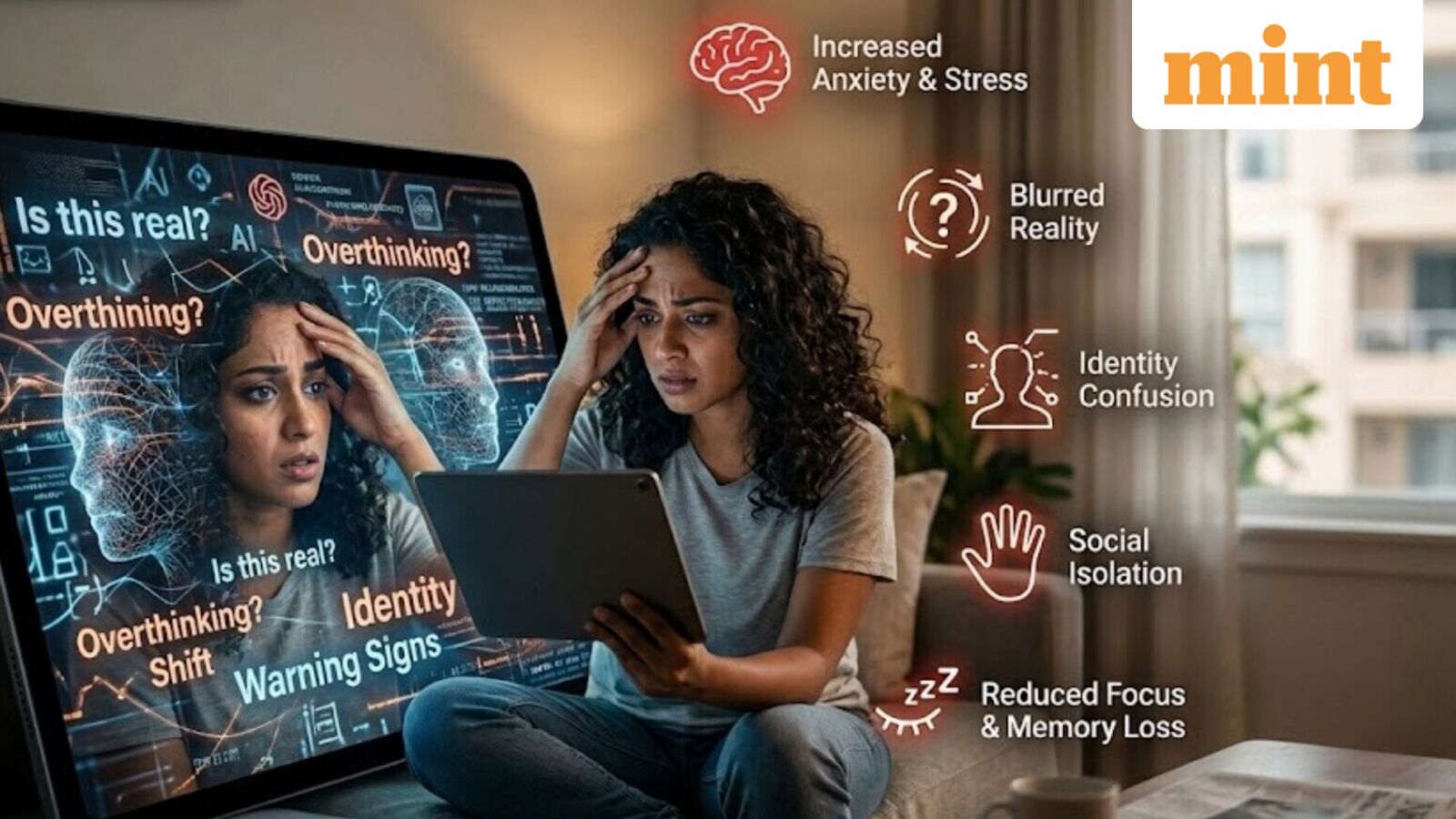
Artificial Intelligence (AI) tools have become ubiquitous in daily life, from drafting emails to generating creative ideas. However, doctors are now warning about the potential psychological toll of over-reliance on AI. Dr Praveen Gupta, Chairman of the Marengo Asia International Institute of Neuro & Spine (MAIINS), has identified five warning signs that suggest AI dependence may be impacting mental health.
One obvious sign of AI dependence is the loss of personal self-efficacy. When individuals consistently consult AI models for deciding what to think, how to decide, or even how to feel about a situation, self-trust begins to erode. Simple daily decisions can become a source of hesitation, leading to a decline in critical thinking and problem-solving abilities essential for maintaining cognitive autonomy.
Turning to AI for emotional support during stressful or isolating moments is another red flag. While chatbots provide non-judgmental and reassuring responses, they lack genuine empathy, shared human experience, and true emotional reciprocity. Relying on AI for emotional support can create a fragile emotional framework and push individuals towards solitude over time.
Anxiety or mood swings triggered by temporary server outages, lost internet connections, or restricted access to an AI assistant are clear indicators of excessive psychological attachment. Technology should serve as a convenience, not a crutch for emotional stability or daily operation. If the absence of an AI chatbot causes noticeable distress, professional help may be needed.
Social withdrawal often develops gradually when conversations with AI models replace interactions with friends, family, colleagues, or healthcare professionals. Human relationships demand nuance, non-verbal cues, and emotional vulnerability, which are not present in algorithmic conversations. Over time, retreating into synthetic conversations can weaken real-world communication skills, increasing the risk of social isolation.
When AI usage starts interfering with basic health habits like sleeping, working, studying, or pursuing personal goals, it may signify a loss of behavioral control. Continuing to spend excessive hours relying on AI tools, despite recognizing negative impacts on productivity or well-being, indicates a potential addiction.
To mitigate these risks, it is crucial to strike a balance between leveraging AI's benefits and preserving cognitive autonomy. Monitoring AI usage, prioritizing human connections, and maintaining healthy tech habits are essential steps in safeguarding mental health in the age of AI.
Written by urgent.news from Live Mint's reporting — not their text. Machine-written — may contain errors; check the original before relying on it.