Pitru Paksha 2026: What Is Pind Daan? Know Rituals, Significance And More
Pitru Paksha is a 16-lunar-day Hindu period which is dedicated to honouring departed ancestors. During these days, families perform various rituals to seek blessings for their ancestors and express gratitude for their forefathers. One of the most important rituals performed during this period is Pind Daan. The term Pitru means ancestors and Paksha is the time of fortnight, which means ancestors’…
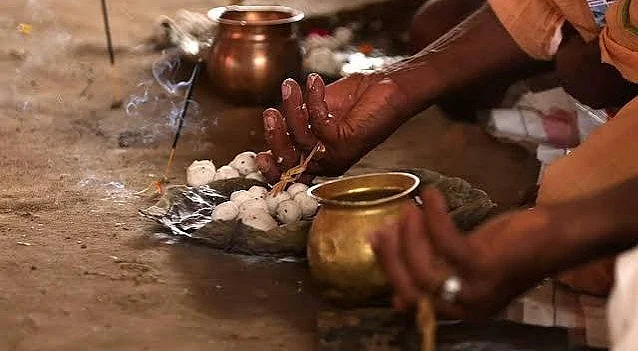
Pitru Paksha is a 16-day Hindu period dedicated to honoring deceased ancestors. Families perform various rituals during this time to seek blessings for their ancestors and express gratitude. One of the key rituals is Pind Daan, which means offering of food to the ancestors. Pitru refers to ancestors, and Paksha signifies the fortnight.
Pind Daan is believed to help clear debts owed to past generations and ensure the peace of departed souls. It involves preparing pindas from cooked rice, sesame seeds, barley, and other ingredients. These pindas are offered to the ancestors, symbolizing their physical bodies and aiding in their liberation from worldly ties.
Devotees typically perform Pind Daan by taking a holy bath, making pindas, and offering them at sacred sites like rivers, temples, or pilgrimage centers. Gaya in Bihar, particularly the Vishnupad Temple and the banks of the Phalgu River, is a prominent destination for this ritual. The tradition is observed worldwide, showcasing respect for ancestors and Sanatan values.
The ritual is usually carried out by the eldest son or another close male relative, though practices may vary. Performing Pind Daan is considered essential for ensuring the well-being of the family and honoring one's ancestors.
Written by urgent.news from Free Press Journal's reporting — not their text. Machine-written — may contain errors; check the original before relying on it.