Extinct bovine species discovered in Siberia reveals lost relative of yaks
DNA analyses of ancient remains have revealed a previously unknown extinct bovine species that inhabited southern Siberia during and even before the last ice age. The extinct species was related to modern yaks but followed a separate evolutionary path for hundreds of thousands of years. The findings are published in Current Biology.

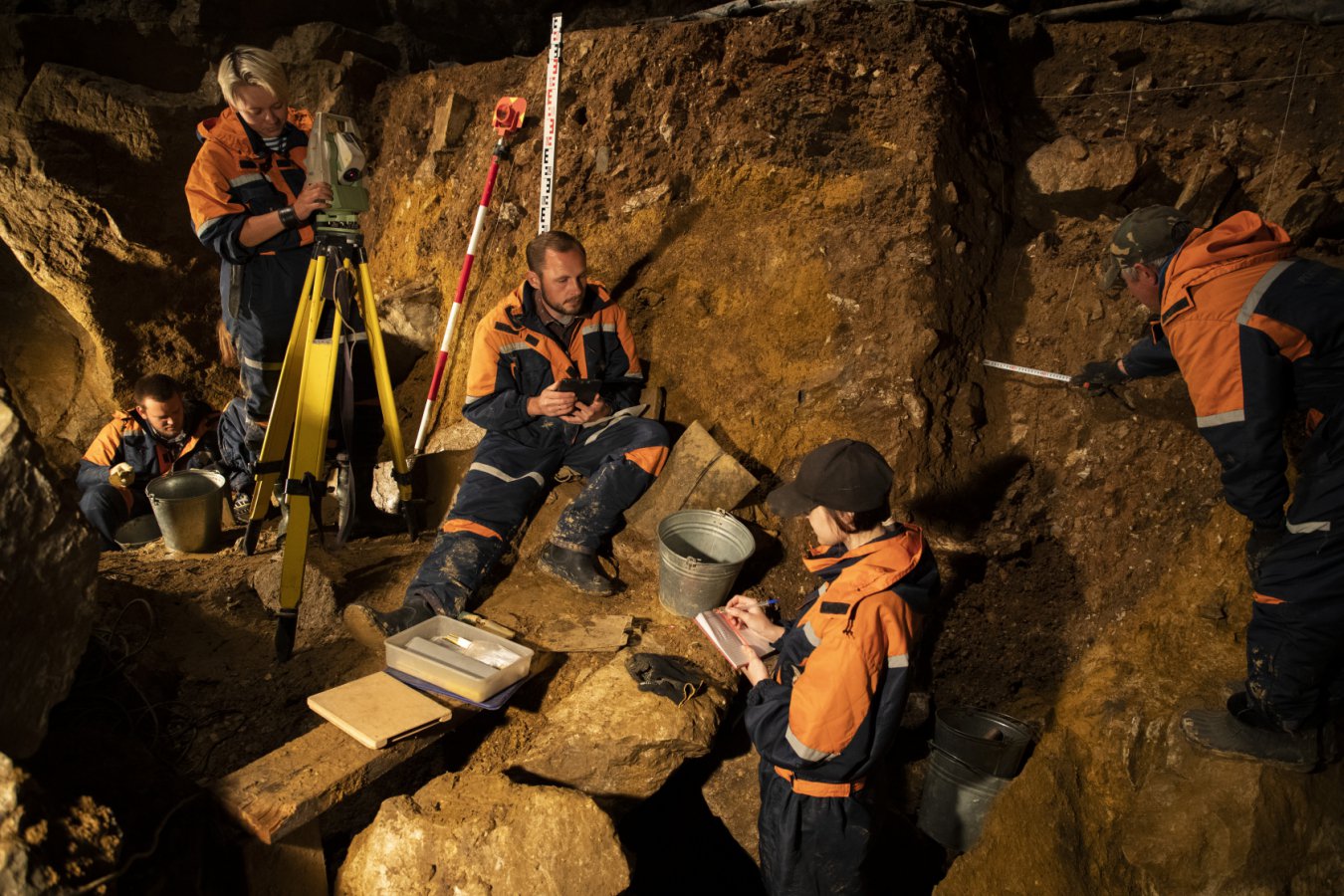
In a discovery that has shed light on the ancient world, researchers have identified a new species of bovine, dubbed yak X, through DNA analysis of bone fragments found in Denisova cave in Siberia. Yak X is believed to have been hunted by ancient humans, including Neanderthals, Denisovans and our own species. The researchers, led by Love Dalén at Stockholm University, began studying the bone fragments with the goal of understanding bison evolution.
However, the fragments yielded DNA that did not match any living bovine species, nor did they match extinct species like the steppe bison or aurochs. After analyzing DNA from 20 individuals across multiple sites, the team constructed a genome for yak X. It appears that the species diverged from the wild yak around 400,000 years ago and became genetically isolated and extinct by around 30,000 years ago.
The divergence time is similar to that between polar bears and brown bears. Yak X is believed to have been significantly different from modern yaks, as the bones were found at lower elevations than the native range of modern yaks. While there is no direct evidence yet, it is likely that yak X was preyed upon by various human species and large carnivores.
The researchers suspect that yak X might correspond to previously described remains that were misidentified.
Written by urgent.news from New Scientist's reporting — not their text. Machine-written — may contain errors; check the original before relying on it.
This story
This is one outlet's version. Read the fullest account.
- Extinct yak relative discovered from DNA in Denisova cave newscientist.com