Elektrolyse: Hybrid-Technologien sollen Wasserstoff effizienter machen
Der Bund fordert Kosteneffizienz von der Erneuerbaren-Branche. Entstehen könnte sie an Schnittstellen zwischen Strom und Grüngas – wenn der Regulierungsrahmen es zulässt. Start-ups handeln.
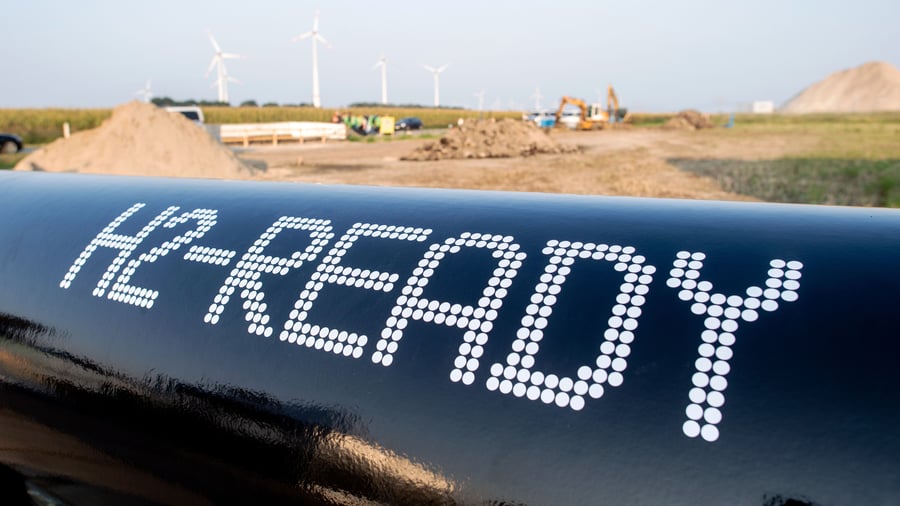
Hybrid technologies aim to make hydrogen production more efficient, as seen in the failed "HyScale 100" project in Schleswig-Holstein and Thyssenkrupp Nucera's withdrawal from the high-temperature electrolysis segment. The proposed capacity-based supplementary network tariff (AgNes) of 4 to 7 Euro per kilowatt and year may increase hydrogen production costs by up to 6%, according to the Energy Economics Institute at the University of Cologne.
However, smaller hybrid power plant concepts are emerging to address the volatile electricity supply and hydrogen demand. These hybrid systems integrate hydrogen production with other energy transition processes, such as storage and hydrogen demand, to improve network and cost efficiency. Berlin-based startup Stoff 2, for instance, combines hydrogen production and energy storage to provide consistent and permanent hydrogen to industries, potentially lowering costs compared to the combination of batteries and electrolyzers.
Stoff 2's demonstration plant, "Lizzey," uses green electricity stored in a zinc layer to generate hydrogen, with a loading time of four hours and discharge taking 12 to 24 hours. Stoff 2's founder, Alexander Voigt, believes that such innovations could help Germany compete with China's technology race, but only if the conditions for scaling innovative technologies improve.
Yet, the success of German's energy transition hinges on political clarity, stability, and quicker decision-making processes, according to Reverion's operational CEO Felix Fischer. Reverion, a Bavarian energy equipment manufacturer, is developing modular containerized plants that can convert biomethane and hydrogen back into electricity using reversible fuel cells, but also produce hydrogen and green methane from electrical energy.
Reverion aims to increase its production capacity to 250 megawatts per year and hire up to 800 employees after raising $175 million in a recent financing round. The company is focusing on biogas and biomethane conversion, with some installations already in place in agricultural businesses in Bavaria. Reverion is also developing energy plants for data centers and is competing for access to medium and high-pressure gas network pipelines, which are gradually being converted into hydrogen networks.
Written by urgent.news from Handelsblatt's reporting — not their text. Machine-written — may contain errors; check the original before relying on it.