Becoming a photographer
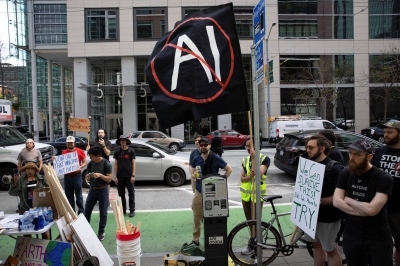
In the latest buzz, everyone seemed to be pondering the future of programming. David Heinemeier Hansson's (DHH) keynote at Rails World fueled the conversation, confirming for me that coders, like artists before them, are gradually fading away. Artificial intelligence, much like the camera, has transformed the landscape. To adapt, I saw two paths: resentment or embracing it by learning and potentially becoming a photographer.
Initially, I was unsure about AI and expressive coding. My initial attempts didn't yield great results as AI agents required considerable guidance to create satisfactory outcomes. However, as the technology progressed rapidly, I grew more adept at utilizing it, understanding its constraints, and expressing my creative vision. The turning point for me was the HEY CLI project.
Rob and I developed the CLI, TUI, API, SDK, and ActionCable client in just a week while I handled a significant pricing change for Basecamp. The entire project was vibe-coded, meaning no human had insight into the underlying code beyond the initial setup. Despite this, it worked flawlessly. This experience taught me that my only limit is my imagination.
Working on the calendar TUI, I envisioned its appearance and brought it to life, enhancing my design skills. My programming knowledge helped identify impractical solutions and guided the AI agents towards better results. Designing the calendar challenged me, with dead ends and abandoned ideas, but the final product satisfied me.
My programming skills complemented the AI's output, making me a more effective designer. As AI removed the speed barrier, it didn't diminish the limits of my imagination. The more knowledge I gained, the more possibilities I could envision. The boundaries between previously distinct roles—programmer, operations, designer, QA, mobile, web—have blurred.
This shift doesn't diminish expertise; instead, it amplifies it. Comprehensive skill sets now provide a broader perspective, enabling more imaginative solutions. The process still demands rigorous testing and refinement, but the initial attempts can be crude, as seen in the photo example. Not seeing the previous failed attempts detracts from the final success.
The key is to keep iterating and learning from each iteration, just as we did with the photo series. If I'm no longer writing code, I'm shifting towards a broader role, similar to how civil engineers design buildings without getting their hands dirty. The essence of engineering remains, but the focus has expanded to encompass all aspects of software development. We're becoming creators, not just coders.
Written by urgent.news from Lobsters's reporting — not their text. Machine-written — may contain errors; check the original before relying on it.