Aset kesihatan uzur risiko keselamatan, bukan sekadar isu peruntukan
Penggantian perlu berdasarkan tahap risiko dengan aset kritikal yang menjejaskan keselamatan pesakit dan kesinambungan perkhidmatan diberi keutamaan sebelum berlaku kegagalan.
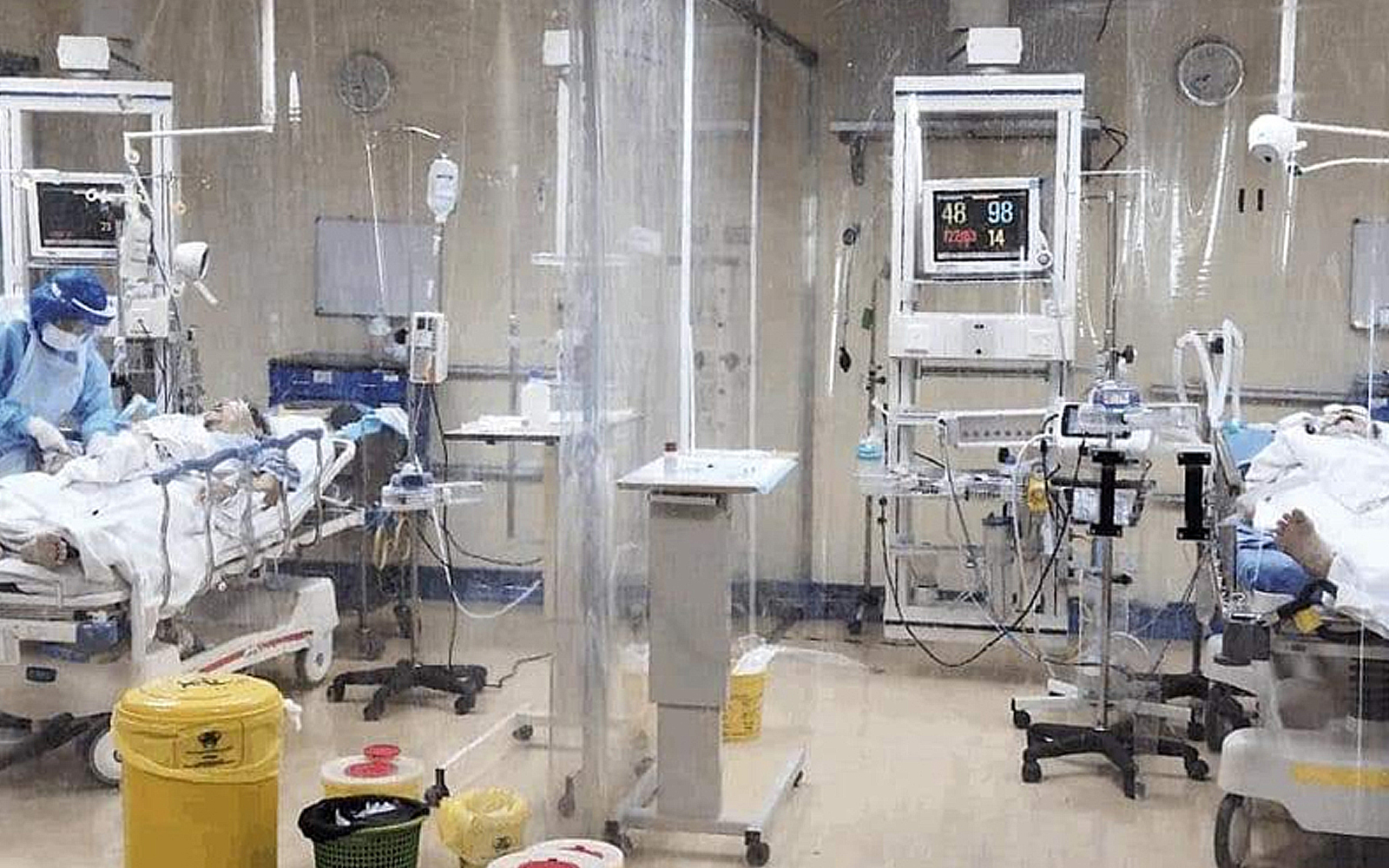
Health and safety experts warn that critical healthcare assets with implications for patient safety and service continuity should take precedence over convenience issues before failure occurs. Dr Halimah Ali (PN-Kapar) stated that asset replacement must be based on risk level, with critical assets that could jeopardize patient safety and service continuity given top priority before failure occurs.
"The approach needs to change from broken first, then we fix, to risk-based asset replacement. Critical assets that have implications for patient safety and service continuity must be given priority before failure," she said in the House of Representatives. In the same vein, Dr Halimah mentioned the Health Selection Committee (JKPK) report on a recent visit to Sabah that showed demand for healthcare services in the state had been growing faster than the capacity of the existing system.
She said Luyang Health Clinic recorded 253,932 visits in 2025, an increase of about 27.6% compared to 199,043 in 2021. "Does the capacity of the clinic, the number of doctors, nurses, treatment rooms, and support facilities increase at the same rate? If not, we are actually managing emergencies, not strengthening the healthcare system," she said.
Dr Halimah said the Ministry of Health (KKM) needs to assess capacity and upgrade primary healthcare facilities based on real demand and service demand, not just the original capacity when the clinic was built. At the same time, she said the shortage of human resources cannot be solved by simply building more buildings. "In Sabah, the problem is not just about how many vacancies are approved, but how many are filled, how many stay, and how many have the required expertise," she said.
According to her, issues of vacancy filling, training expertise, incentives for hard-to-reach areas, and equipping healthcare workers need to be addressed comprehensively to ensure that new facilities have sufficient manpower.
Written by urgent.news from Free Malaysia Today's reporting — not their text. Machine-written — may contain errors; check the original before relying on it.
This story
This is one outlet's version. Read the fullest account.
- Aset kesihatan uzur risiko keselamatan, bukan sekadar isu peruntukan freemalaysiatoday.com