American chestnut returns to Bronx Zoo 120 years after blight devastated species
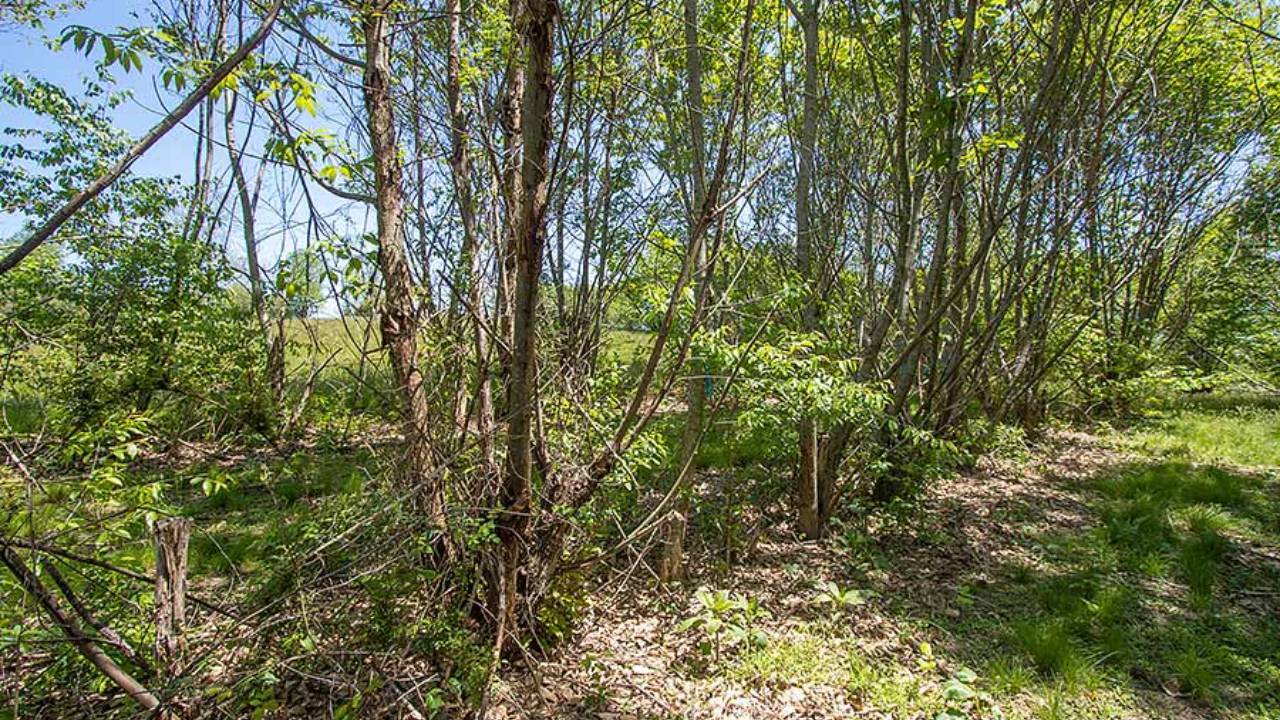
The American chestnut is returning to the Bronx Zoo more than 120 years after blight was first documented there. The zoo and New York Restoration Project planted 25 hybrid saplings as part of a restoration effort. Once abundant across eastern North America, the tree was devastated by disease that killed nearly 4 billion trees.
Amazonian animals are increasingly appearing in Bangkok's wildlife market, with a surge in species diversity and volume over the past two years, according to Scott Roberton, a leader in the countertrafficking program for the U.S.-based Wildlife Conservation Society. Species such as marmosets, capuchin monkeys, tamarins, capybaras, matamata turtles, and rare Amazonian fish are now more common, often sold alongside domestic pets in Thai markets.
The supply chain for these animals can originate deep in the rainforest, with hubs like Iquitos in Peru serving as central points. Animals are poached from countries like Colombia, Brazil, and neighboring nations, then transported along Amazonian rivers. Corruption and illegal trafficking, including the use of fraudulent documentation, enable the laundering of wild-caught specimens as captive-bred stock, which can be legally traded.
Renata Cao, Latin America project lead with the wildlife trade monitoring network TRAFFIC, notes that Iquitos is a city where illegal commodities move freely within the Amazon.
From South America, the animals undergo stressful multi-leg flights lasting over 25 hours to reach Asian markets. The trade is further facilitated by social media platforms that connect buyers and sellers globally.
Written by urgent.news from Mongabay's reporting — not their text. Machine-written — may contain errors; check the original before relying on it.
This story
This is one outlet's version. Read the fullest account.
- More Latin American species are surfacing at a Bangkok wildlife market news.mongabay.com