US auto industry sees modest gains, lingering uncertainty as suppliers bear the brunt under Trump tariffs
NEW YORK, Oct 4 — President Donald Trump has claimed a “roaring comeback” in American auto manufacturi...
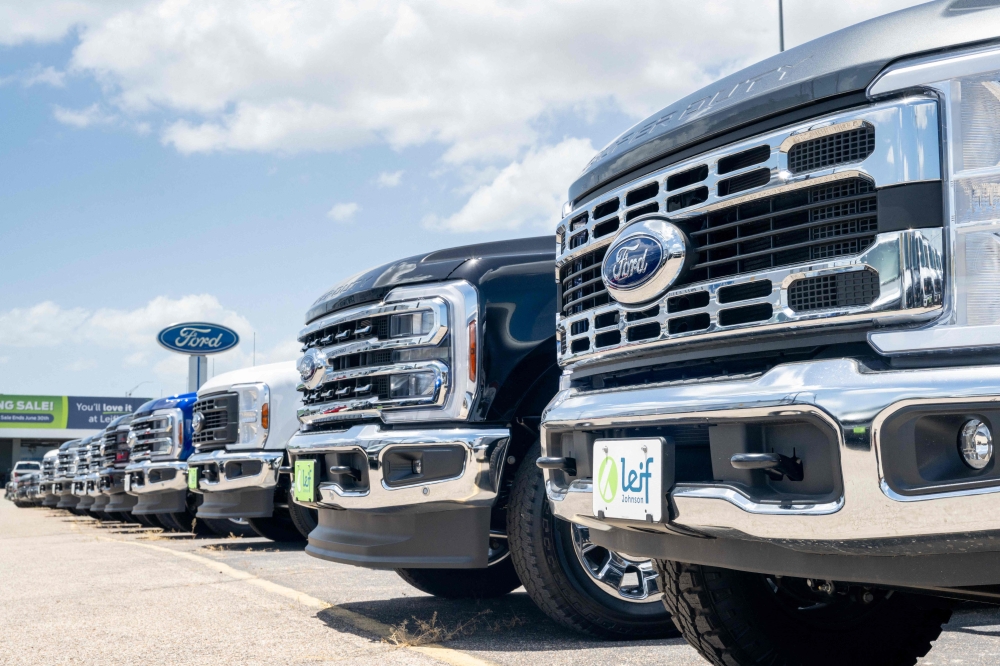
On October 4, 2025, President Donald Trump claimed a "roaring comeback" in American auto manufacturing following aggressive trade policy. However, analysts view the impact as more of a mixed bag. Since Trump took office, carmakers such as General Motors, Toyota, and Ford have announced plans to expand US plants or shift production from overseas to make use of underutilised factories.
These expansions have been driven by measures like a 25% levy on imported autos. However, despite these gains, the auto industry's progress is more incremental than decisive, accompanied by a slowdown in spending due to trade uncertainty. Analyst Stephanie Brinley notes that while the industry has seen a partial win, it's hindered by the unsettled nature of Trump's trade measures.
These measures have most recently impacted negotiations with Canada over the USMCA trade agreement. Honda, for example, stated that it was operating near full capacity at its North American facilities and might build a new plant if the uncertainty around USMCA persists. The disruptions from tariffs and Trump's policy reversals have also weighed on the US auto supplier sector, which employs nearly 930,000 people in the United States.
Investment by suppliers plunged from over US$8 billion in Q1 2025 to around US$600 million in Q2 and Q3, before recovering somewhat. Suppliers are more exposed to tariffs, as they cannot absorb them as automakers can. Auto employment in the US has been on the rise since 2025, reaching almost 1.8 million workers in September 2026.
Production has been stable but is expected to increase around 2030 with investments from automakers like GM and Toyota. However, these increases are partly due to the tariffs and not the only factor. Suppliers rank changes in government trade policy as the greatest threat to the industry, with nearly 80% of companies including it among their top four threats.
The industry has only recovered about half of the tariff-policy-related costs, leading to a sustained margin drag. The industry is currently following a "discipline-over-growth" strategy, shifting more investment to automation and robotics.
Written by urgent.news from Malay Mail's reporting — not their text. Machine-written — may contain errors; check the original before relying on it.