Understanding parental burnout: why self-care is not enough
Parental burnout is more than ordinary tiredness. Psychologists explain why “self-care” can feel like another burden—and what practical support may help parents recover.
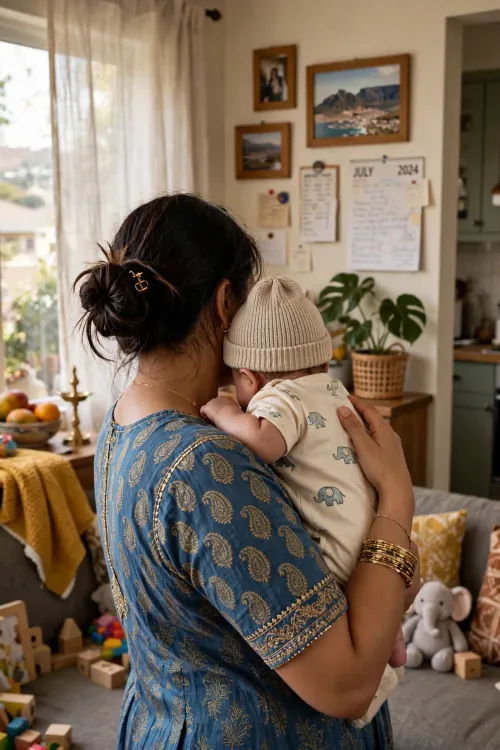
When a parent finds themselves staring blankly at the car as they approach the grocery store, overwhelmed by the prospect of selecting dinner, their exhaustion is more than mere fatigue. This is parental burnout, a phenomenon increasingly prevalent in South Africa due to economic pressures, work demands, safety concerns, and the relentless logistics of family life.
Despite the conventional recommendation to practice self-care, such as taking a bath or meditating, this advice often fails to alleviate the problem and may even exacerbate it.
Counselling psychologist Muhammad Coovadia explains that parental burnout transcends ordinary tiredness. It encompasses profound exhaustion, emotional disconnection from children, and a diminished sense of effectiveness in one's parental role. Burnout is more likely when the demands placed on parents exceed their resources consistently. While a night of sleep can rejuvenate someone who is merely tired, burnout leaves the nervous system in a chronic state of survival mode, rendering rest ineffective.
Dr Malebo Mashaba, a clinical psychologist, emphasizes that parental burnout involves sustained physical and emotional exhaustion due to ongoing parenting demands and a lack of recovery opportunities. This condition can severely impact a parent's emotional well-being, relationships, and overall functionality.
The expectations of modern parenting have skyrocketed, with parents inundated by endless advice, developmental milestones, expert podcasts, and the constant influx of information through school WhatsApp groups. The era of "intensive parenting" has emerged, placing immense pressure on parents to optimize every aspect of their child's academic, emotional, and social development. Social media further amplifies these expectations, presenting idealized images of parenting that parents feel compelled to measure against.
Even the most competent parents require support and should not feel ashamed to seek help. When faced with the ultimatum to practice self-care, overwhelmed parents often perceive this as an additional burden rather than a respite. This highlights the need to evolve the self-care narrative. Muhammad Coovadia argues that telling a drowning parent to take a bath or meditate overlooks the underlying issues, such as the absence of childcare, financial constraints, long work hours, and the perpetual mental load.
The mental load, an often overlooked aspect of parenting, refers to the invisible work of anticipating, planning, remembering, and coordinating household tasks. This mental strain is particularly taxing as much of it remains unseen. In South Africa, the mental load is compounded by economic realities, including school fees, transportation, security concerns, and demanding work schedules, leaving little room for genuine recovery.
Addressing parental burnout necessitates a shift from expecting parents to "cope better" to actively alleviating the psychological burdens they face. Instead of merely asking how a parent can cope better, the focus should be on identifying the factors contributing to their psychological load and providing the necessary support to reduce this weight. Children do not require parents to be superhuman, endlessly patient figures; they need parents who are afforded the grace and community support to acknowledge their humanity.
Written by urgent.news from IOL's reporting — not their text. Machine-written — may contain errors; check the original before relying on it.