The Price of a Title Shot: When challengers had to pay to face the champion
For much of its history, the world chess championship was not a title a player could simply qualify to challenge for. From Steinitz–Zukertort in 1886 to the long disputes involving Lasker, Capablanca and Rubinstein, challengers had to raise money, negotiate terms and persuade champions to play. As Gukesh prepares to defend his title against Sindarov in Geneva, the USD 2.5 million match offers a…
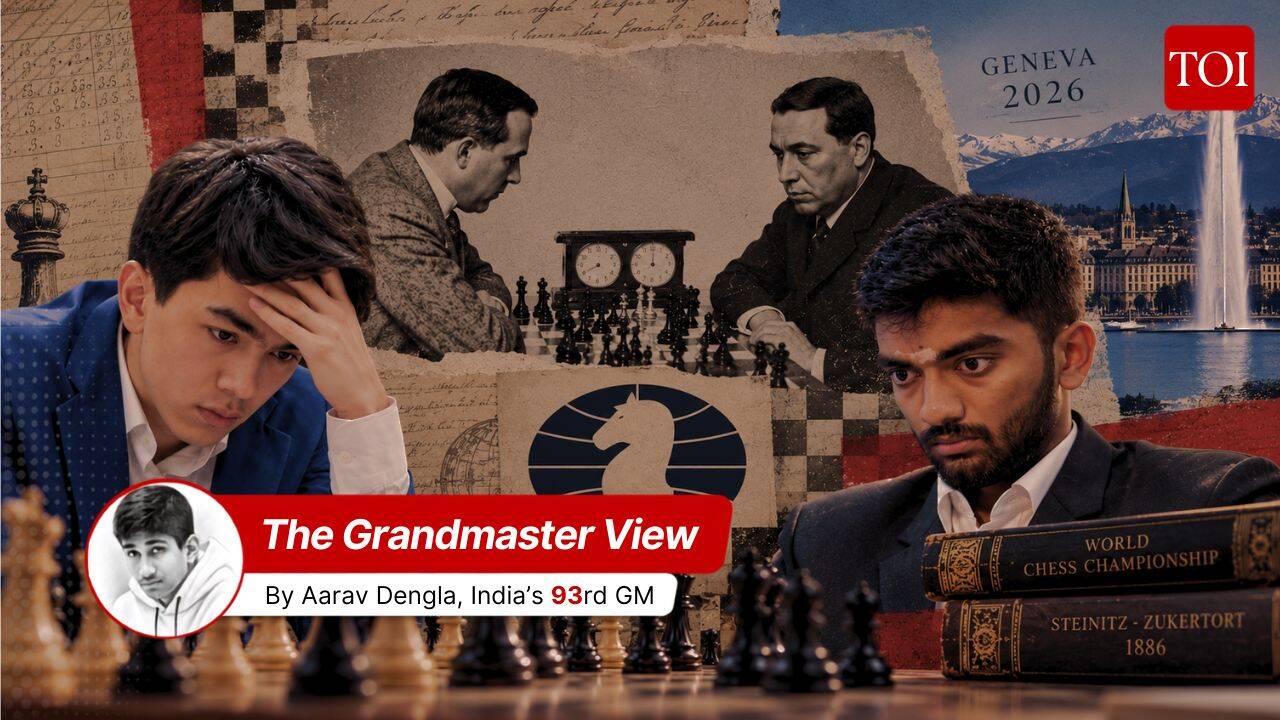
In the annals of professional chess, the champion-challenger format has long been the standard method for determining the world's top player. However, the financial demands placed on challengers to secure a title shot has proven to be a contentious issue throughout history.
The inaugural world championship tournament took place in 1886, with Wilhelm Steinitz vs. Johannes Zukertort. The purse for this inaugural event was a modest $4,000, which the two contestants each contributed $2,000 toward. Steinitz emerged victorious, winning the match 10 to 5, with five draws.
For much of the early 20th century, the world championship was determined through bilateral contracts between champion and challenger. The champion, generally holding the stronger negotiating position, would decide on the terms of the match, while the challenger had to find the necessary funds from wealthy patrons or other sources.
This system did not guarantee that the best player would secure the opportunity to face the reigning champion. In the case of Akiba Rubinstein, who is considered one of the best players of the early 1900s, he struggled to raise the substantial financial requirements set by Emanuel Lasker, the reigning champion. Ultimately, the planned match in 1914 never materialized due to the outbreak of World War I.
In 1920, José Raúl Capablanca challenged Lasker, but the terms set by Lasker proved to be too onerous for Capablanca. Among other conditions, Lasker demanded that the challenger win by at least two games, or he would retain the title. The two remained at odds for several years, with Capablanca eventually passing away in 1942 without ever getting the chance to defend his title.
The champion-challenger system ultimately came to an end in 1946, with the passing of Alexander Alekhine, the reigning champion at the time. FIDE, founded in 1924, took over the responsibility of organizing world championship tournaments. The Soviet Union joined FIDE in 1947, and in 1948, the first world championship tournament under FIDE's jurisdiction was held. Mikhail Botvinnik emerged victorious, becoming the new world champion.
Written by urgent.news from Times of India's reporting — not their text. Machine-written — may contain errors; check the original before relying on it.