Sustainability, AI, and the new era of corporate reporting
As universities across the nation prepare to celebrate the success of our new accounting graduates this year, a familiar but pressing question lingers in the minds of many soon-to-be graduates: where do we go from here?
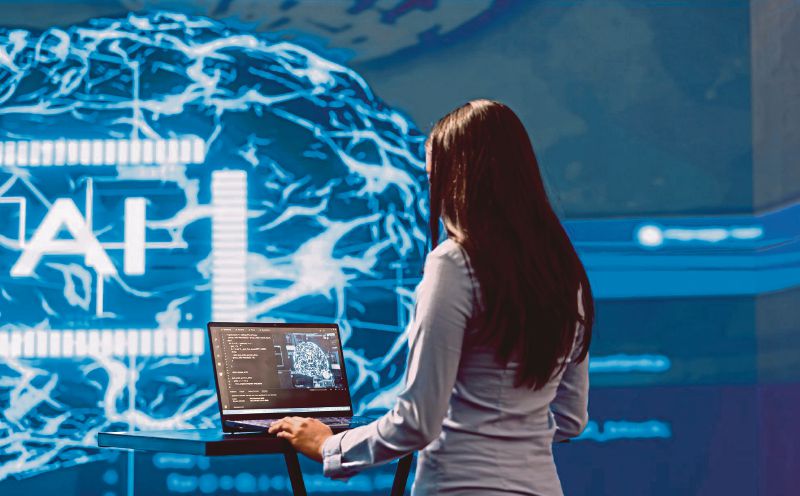
As universities prepare to graduate accountants, a critical question arises: what does the future hold for the accounting profession in the age of sustainability reporting and artificial intelligence? While traditional accounting skills remain essential, the landscape is undergoing rapid transformation. Sustainability reporting is no longer an optional addendum but a mandatory component, with regulatory bodies like the Malaysian National Sustainability Reporting Framework (NSRF) mandating companies to disclose sustainability-related risks and opportunities.
This shift necessitates that accountants evolve from mere data handlers to seasoned analysts capable of linking non-financial factors like climate risk and social equity directly to financial outcomes.
Moreover, the advent of digital technologies and artificial intelligence is reshaping the accounting profession. Data-intensive sustainability reporting demands advanced analytics, posing new challenges related to data quality, bias, and assurance. By 2026, AI in accounting will have moved beyond basic automation, incorporating predictive risk forecasting and real-time financial visibility.
Accountants must therefore acquire data analytics skills and become proficient in digital reporting ecosystems and AI applications. The modern accountant is not only a financial wizard but also a translator of complex data into actionable insights for stakeholders.
Integrating knowledge from environmental science, sustainable engineering, and public policy is also becoming increasingly vital for accountants. This interdisciplinary approach ensures they remain relevant custodians of integrated business intelligence. Building ESG literacy and understanding of global frameworks like the ISSB's Sustainability Disclosure Standards is now an indispensable part of an accounting graduate's education.
In essence, the future of corporate reporting demands professionals who can seamlessly blend financial expertise with sustainability insights, leveraging technology to drive informed decision-making and long-term value creation.
Written by urgent.news from New Straits Times's reporting — not their text. Machine-written — may contain errors; check the original before relying on it.