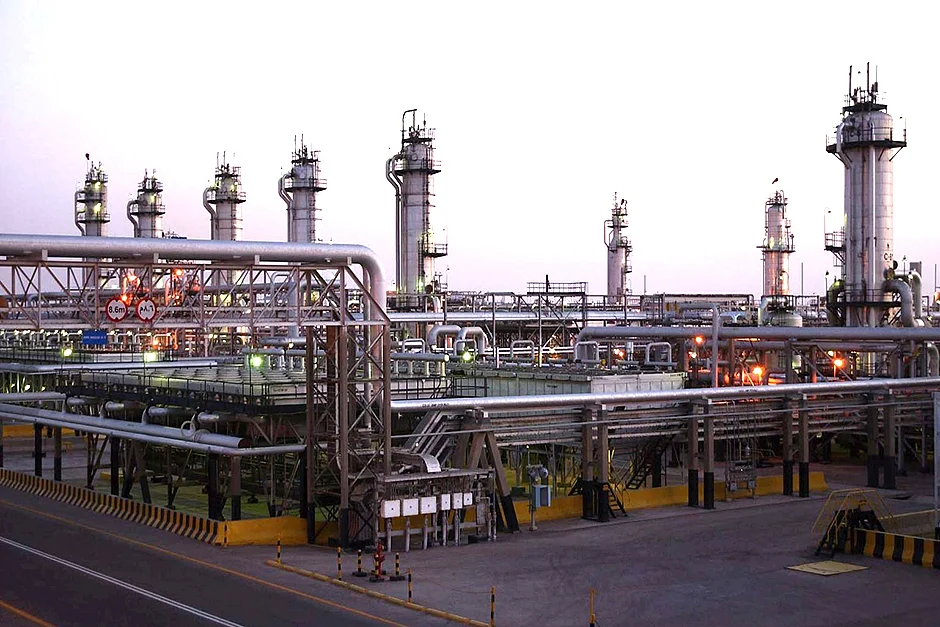
Norway turned oil into wealth
Norway and the United Kingdom discovered major petroleum resources in broadly the same North Sea geological system at roughly the same historical moment. Ekofisk, in the Norwegian sector, was discovered in 1969–70, while Forties, one of Britain’s great early fields, followed in 1970.
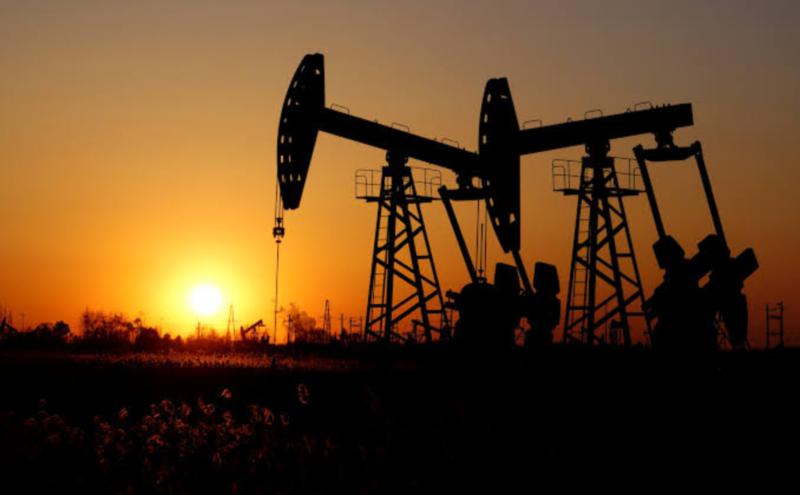
Norway and the United Kingdom both discovered significant oil reserves in the North Sea around the same time, with Norway's Ekofisk field found in 1969-70 and Britain's Forties field following in 1970. Despite their similarities, the two nations' outcomes regarding their petroleum wealth have been vastly different.
Today, Norway boasts one of the world's largest sovereign investment funds, with the Government Pension Fund Global worth approximately NOK21.3 trillion by the end of 2025. In contrast, Britain earned substantial revenues from North Sea petroleum and developed a robust offshore industry, yet it did not establish a comparable national petroleum fund.
The key difference lies in how each country converted petroleum revenue into either income for spending or wealth to be preserved. While Britain largely converted North Sea petroleum into public revenue, Norway increasingly transformed it into national capital. This distinction between income to be spent and wealth to be preserved may be the most crucial lesson derived from the North Sea's experience.
Norway's history of confronting resource statecraft predated petroleum. The country had long dealt with the question of who should benefit from the economic rent generated by hydropower resources. Norwegian concession and reversion arrangements aimed to prevent strategic hydropower resources from permanently leaving national control. This institutional memory of protecting national assets carried over when petroleum was discovered.
Norway did not nationalize the entire petroleum industry, but it positioned itself as a regulator, tax collector, and commercial participant. The state created Statoil, now known as Equinor, and developed direct government involvement through the State's Direct Financial Interest (SDFI). The state now owns interests in specific petroleum fields, pipelines, and facilities, bears its share of investment costs, and receives a corresponding share of income. Norway also imposed substantial taxes on petroleum rents.
In Britain, the petroleum experience was more intricate. While petroleum resources were vested in the Crown and companies were licensed to explore and produce them, the UK introduced Petroleum Revenue Tax and ring-fenced corporation taxation to ensure a more significant share of petroleum profits went to the government. Additionally, the British National Oil Corporation (BNOC) was established in 1975, giving the government a direct role in North Sea development.
The divergence between Norway and Britain became more apparent over time. Britain gradually moved towards privatization, with BNOC's exploration and production business becoming Britoil, and a majority stake sold in 1982. Norway, too, partially privatized Statoil, but retained substantial state ownership while maintaining the SDFI as a separate mechanism for direct participation in petroleum assets. Both nations utilized markets, but differed significantly in their intentions for the wealth generated by the resource.
Written by urgent.news from New Straits Times's reporting — not their text. Machine-written — may contain errors; check the original before relying on it.