Science Snapshots: October 4, 2026
Three recent important research developments, all readable in one minute
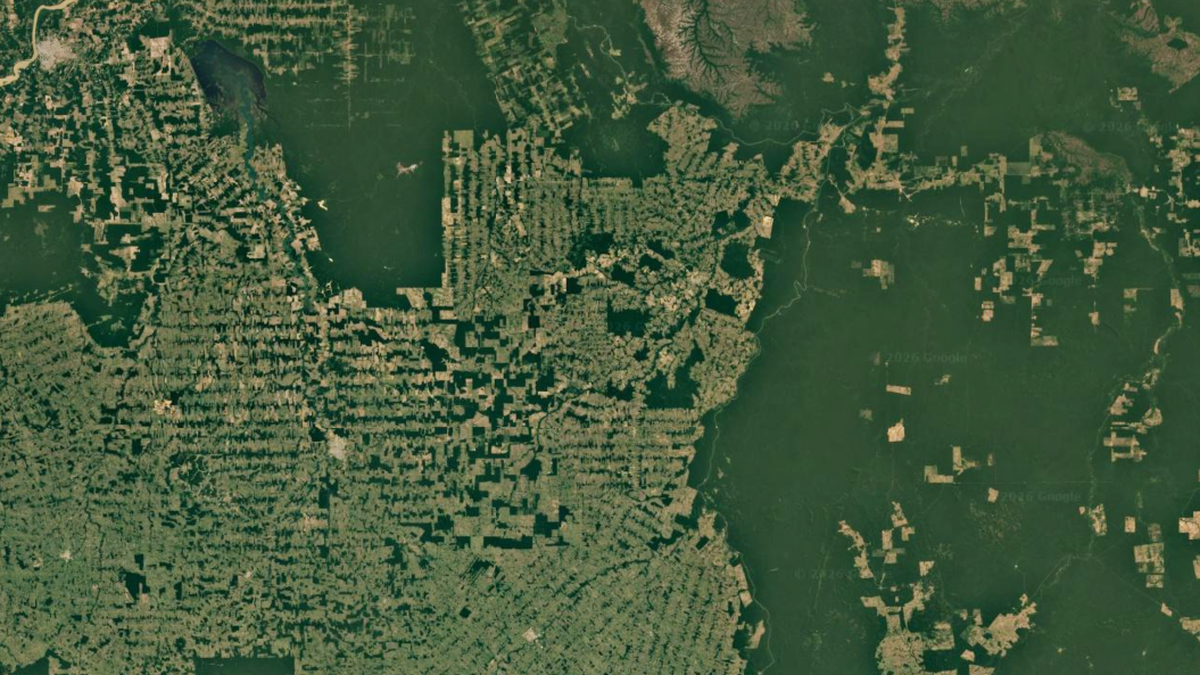
New research reveals that splitting forests into separate patches can have a significant impact on local temperatures, similar to the overall size of the forest. Using satellite data, scientists discovered that in tropical and temperate regions, dividing continuous forests into smaller, isolated areas leads to a rise in surface temperature.
In contrast, high-altitude boreal forests experience a cooling effect due to increased snow cover exposure from the fragmented landscape. This finding underscores the importance of considering forest fragmentation in climate action efforts.
Astronomers have long wondered about the influence of massive black holes on the gas surrounding their host galaxies. An Indian research team combined data from numerous observations to uncover a glow of ionized hydrogen along the paths of radio-frequency energy emanating from the galaxies' centers. Magnesium, a marker of cooler gas, was found scattered throughout the galaxies.
This observation suggests that the jets do not create the gas halos; rather, as they release radio-frequency energy, they collide with existing gas clouds and ignite them.
Written by urgent.news from The Hindu - Sci-Tech's reporting — not their text. Machine-written — may contain errors; check the original before relying on it.