Kids who keep restarting drawings may show more than perfectionism: Psychology
Perfectionism can be a heavy burden for children, often causing distress when their art does not align with their high standards. Understanding the line between perfectionistic striving and fears is essential for recognizing a child's emotional challenges. A parent's response to errors shapes how a child views failure and embraces imperfection.
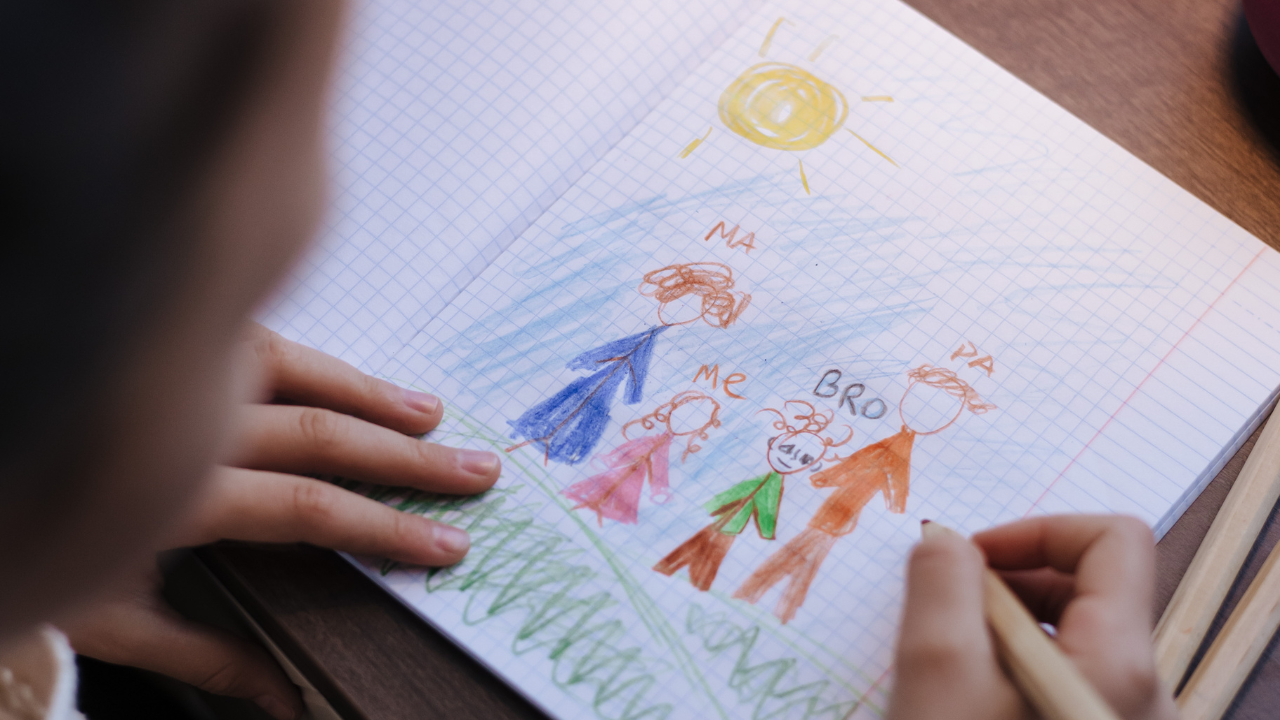
A child begins drawing on a piece of paper, only to discard the first attempt after realizing it doesn't meet their expectations. This cycle of discarding and starting anew continues, with the child becoming increasingly frustrated each time the drawing falls short. To parents, this may appear as a child who is overly critical or overly focused on perfection. However, psychologists posit that this behavior could signal something more significant: the child's emotional response to making mistakes.
While children can possess high standards without exhibiting an unhealthy relationship with perfection, research increasingly distinguishes between perfectionistic strivings - striving for excellence - and perfectionistic concerns - being preoccupied with errors, feeling dissatisfied with one's performance, and worrying about negative evaluation.
A 2026 study in European Child & Adolescent Psychiatry highlights this distinction, noting that the problematic aspect of perfectionism lies not in having high standards but in becoming distressed when those standards are not met.
The emotional reaction to a mistake can be more telling than the drawing itself. A child who says, "I don't like this one. I'll try another way" and proceeds to start again is exhibiting a different emotional response compared to a child who becomes distressed, tears up the paper, or refuses to continue due to fear of imperfection. Even though the actions may seem similar on the surface, the underlying emotional experience can differ greatly.
Some children may view a mistake as mere information, identifying a flawed line and deciding to change it. Others, however, might perceive it as evidence of their failure, leading to negative thoughts such as, "If I can't make it look right, I'm not good at this." For instance, a study involving 203 children aged 8 to 12 found that parental criticism was associated with a more critical form of self-oriented perfectionism, which in turn was linked to negative emotions.
Repeatedly restarting drawings could also be a child's way of coping with discomfort. When confronted with something that doesn't align with their mental image, they may start over in hopes that their next attempt will feel "correct." This behavior relates to intolerance of uncertainty, a psychological concept where individuals find situations with unclear or imperfect outcomes particularly uncomfortable.
Research involving children and early adolescents has shown an association between higher perfectionism/intolerance of uncertainty and later psychological symptoms, although this does not necessarily imply that a child with frequent redrawing has OCD.
It is essential to differentiate between a drawing and its psychological implications. A child's drawings should not be considered a psychological test, as they are too complex and ambiguous to accurately reflect a child's emotional state or personality. A single picture cannot definitively indicate whether a child is anxious, perfectionistic, or experiencing a specific psychological issue.
What matters more is the pattern surrounding the drawing and the child's emotional response to mistakes. A child who says, "I don't like this one. I'll try another way" and calmly starts a new version demonstrates a healthier emotional response compared to a child who becomes distressed, tears up the paper, or avoids the task altogether due to fear of imperfection.
Parents play a crucial role in how they react to their child's mistakes. In an experimental study published in the Journal of Experimental Child Psychology, researchers found that parental behavior around mistakes significantly influenced children's perfectionistic behavior. Perfectionistic parental behavior, which focuses strongly on accuracy and avoids mistakes, increased observed perfectionistic behavior in children.
Conversely, a more relaxed, non-perfectionistic approach by parents led to improved task accuracy and less task-related perfectionism in children.
The key takeaway for parents is to help their children view mistakes as survivable experiences. Instead of immediately correcting a child's work and saying, "No, no, don't erase it, it's beautiful," parents can ask, "What don't you like about this one?" This approach encourages the child to express their thoughts and feelings, allowing them to determine whether they are experimenting, learning, or genuinely distressed.
By fostering a supportive environment where mistakes are seen as opportunities for growth, parents can help their children develop resilience and a more balanced perspective on imperfection.
Written by urgent.news from Times of India's reporting — not their text. Machine-written — may contain errors; check the original before relying on it.