India, Canada begin fifth round of CEPA talks on October 5
India and Canada are set to hold the fifth round of negotiations for the Comprehensive Economic Partnership Agreement in October. These discussions aim to conclude the pact by the end of 2026, following previous rounds and negotiations. Canada's Trade Minister Maninder Sidhu is scheduled to visit New Delhi with a large business delegation later this month.
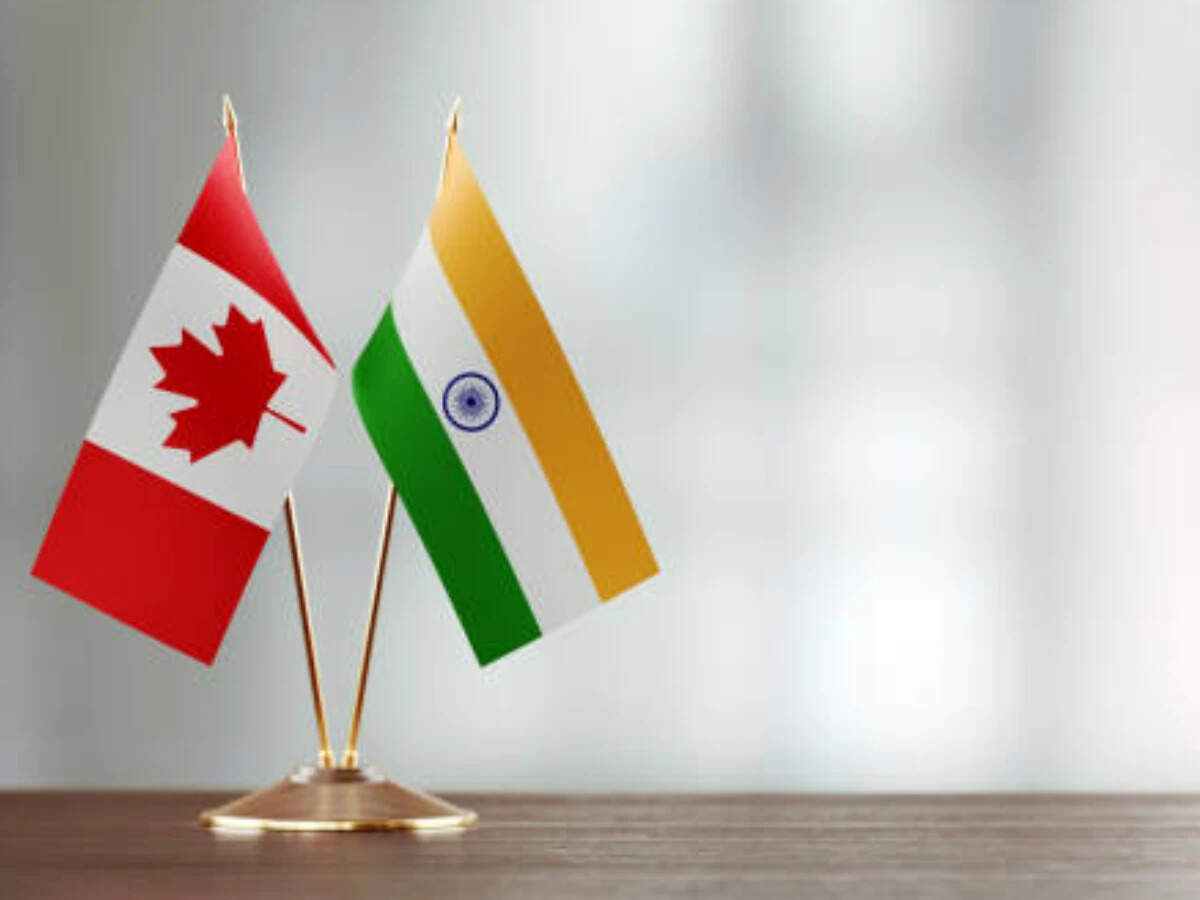
India and Canada are preparing to commence the fifth round of discussions for their proposed Comprehensive Economic Partnership Agreement (CEPA), with negotiations set to begin in Ottawa on October 5. This significant milestone underscores the countries' commitment to finalizing the pact by the end of 2026, according to a senior official.
The five-day talks are scheduled to conclude on October 9, following the fourth round that took place in New Delhi from September 18 to 22. Both nations are eager to conclude the negotiations within the current calendar year, as Canadian Prime Minister Mark Carney recently indicated that Prime Minister Narendra Modi might visit Canada around December.
Maninder Sidhu, Canada's Trade Minister, is also slated to travel to New Delhi later this month, accompanied by a 300-member business delegation. Sidhu recently met with Commerce Minister Piyush Goyal in Mumbai to assess progress in the negotiations. The Comprehensive Economic Partnership Agreement serves as a free trade agreement that aims to substantially reduce or eliminate customs duties on a wide range of traded goods, facilitate the movement of skilled professionals, and promote investment between the two countries.
India and Canada had initiated negotiations for the proposed pact in 2015, holding more than half a dozen rounds between 2015 and 2017 before the process was temporarily suspended. The talks were revived in March 2022 for an interim trade agreement, officially known as the Early Progress Trade Agreement. However, Canada halted the negotiations in 2023 due to deteriorating bilateral relations sparked by Canadian allegations that India may have had a connection to the murder of Hardeep Singh Nijjar. India dismissed these allegations as baseless.
Negotiations resumed formally after Canada and India reached an agreement in November 2025 to restart the process. The renewed optimism in bilateral ties followed a meeting between Modi and Carney during the G7 summit in Kananaskis, Canada, in June of the previous year. Despite a decline in bilateral trade in goods by 8.23% to USD 7.95 billion in 2025-26 compared to 2024-25, India's exports to Canada increased by 10.63% to USD 4.67 billion, while imports from Canada dropped by 26.14% to USD 3.28 billion.
Canada is home to approximately 2.9 million people of Indian origin and hosts over 427,000 Indian students. Major Indian exports to Canada include pharmaceuticals, iron and steel, seafood, cotton garments, electronic goods, and chemicals, while key Canadian imports comprise pulses, pearls and semi-precious stones, coal, fertilizers, paper, and crude petroleum. Canada's investments in India have amounted to USD 4.8 billion since April 2000.
Written by urgent.news from The Economic Times - Economy's reporting — not their text. Machine-written — may contain errors; check the original before relying on it.