How the Walkman Broke In Colombia
Before the ubiquitous glow of the smartphone and long before the era of digital streaming services, a rectangular, metallic box promised something entirely unprecedented to Colombians: the ability to carry a private universe of music anywhere they went. When the Sony Walkman first arrived in the country in the early 1980s, it brought a cultural […]
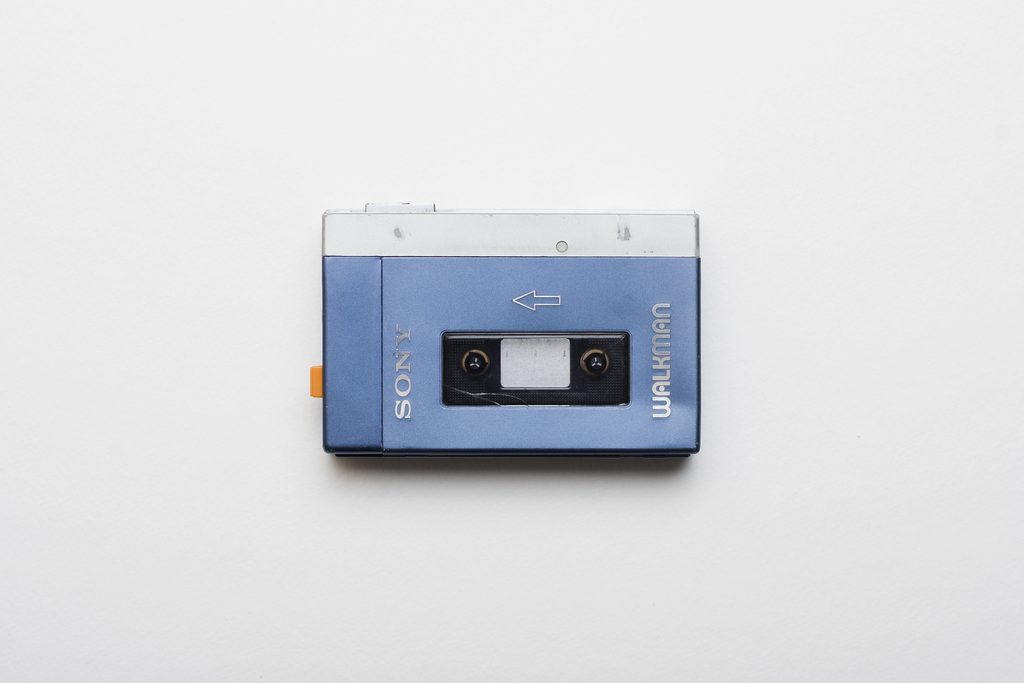
The Sony Walkman, a rectangular, metallic device promising a new level of personal music, entered Colombia in the early 1980s, sparking a cultural revolution. Before this, music in urban centers like Bogota, Medellin, and Cali was largely a communal experience, broadcast via public speakers on bustling city streets. The Sony Walkman TPS-L2, introduced in Japan in 1979, took some time to reach Colombian shores due to protectionist policies, but once it did, it bypassed traditional retail channels.
Instead, it infiltrated the country through San Andresito marketplaces, where informal commercial hubs sold untaxed global technologies. The high price tag of the initial models, beyond the reach of average workers, did little to dampen the public's fascination with the Walkman. Teenagers, university students, and even office workers saved up their allowances, took on part-time jobs, and pooled their bonuses to purchase the bulky device.
The Walkman's impact was immediate and profound, turning the urban Colombian landscape on its head. Commuters could slip on lightweight headphones and tune out the noise of traffic, vendors, and crowds. The Walkman introduced a diverse array of music, from global pop icons like Michael Jackson and Madonna to local genres such as vallenato.
It also birthed a secondary market for blank cassettes and bootleg recordings, with street vendors switching from vinyl records to neatly packaged tapes. The Walkman even birthed a culture of homemade mixtapes, traded between teenagers in school courtyards and university cafeterias as a form of social currency. However, this luxury came with its own set of challenges.
Early cassette players were power-hungry, requiring constant AA batteries. To extend listening time, users would manually rewind or fast-forward the tapes using a Bic pen, sparing the internal motors and prolonging battery life. As the decade progressed, Sony released lighter, cheaper models and competitors from brands like Aiwa, Sanyo, and Panasonic flooded the market.
The generic use of the term "Walkman" for any portable tape player in Colombian Spanish further cemented the Walkman's status as a cultural icon.
Written by urgent.news from Colombia One's reporting — not their text. Machine-written — may contain errors; check the original before relying on it.