Gulf education bureau and OECD discuss ways to boost learning outcomes in Riyadh
A high-level regional dialogue in Riyadh explored strategies to improve student learning outcomes in the Gulf and MENA, drawing on PISA 2025 findings.
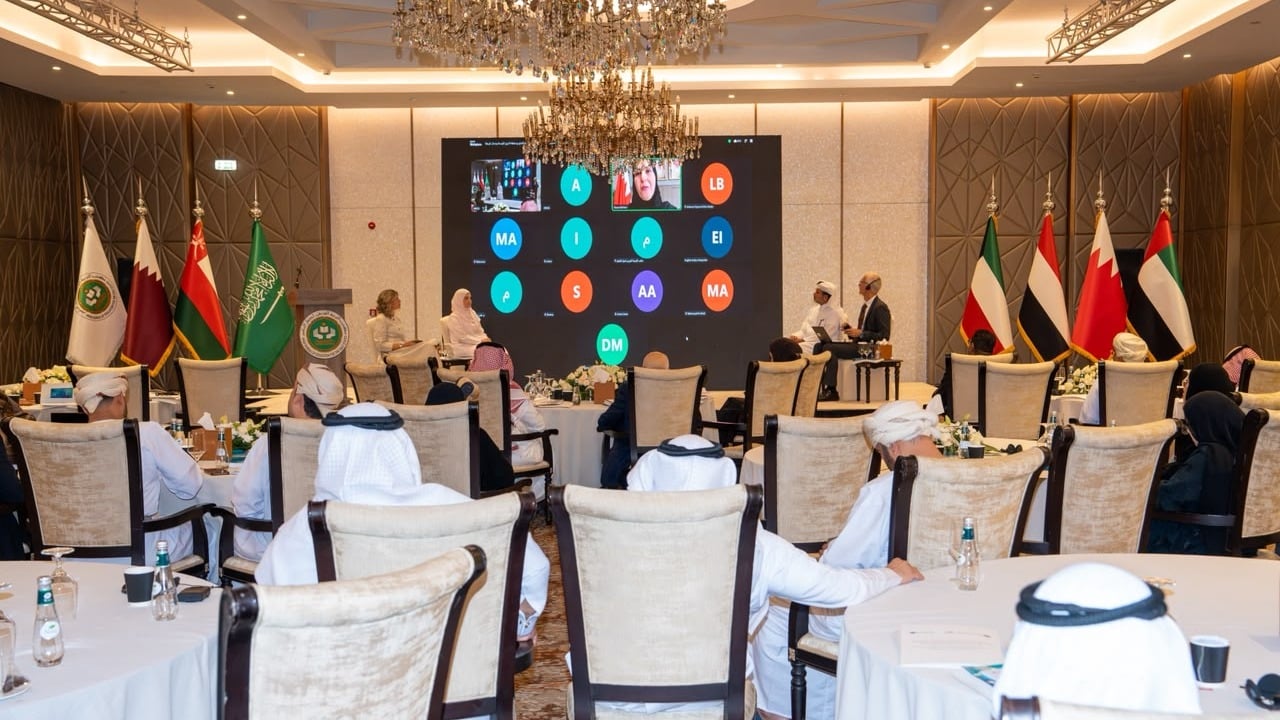
A high-level regional forum in Riyadh convened on Sunday, October 4, 2026, to discuss measures aimed at enhancing student learning outcomes across the Gulf, Middle East, and North Africa regions. The Arab Bureau of Education for the Gulf States, in partnership with the Organisation for Economic Co-operation and Development (OECD), organized the dialogue.
It brought together education officials, policymakers, academics, experts, and representatives from various organizations to explore strategies for improving educational quality and student success.
Mohammed bin Saud Al-Muqbil, Director General of the Arab Bureau, opened the event by emphasizing the significance of international assessments, such as PISA 2025, as vital tools for understanding the current educational landscape and pinpointing areas for improvement. He stressed that the real value of these studies lies in their application to inform policy and practice, enhance learning quality, develop schools and teachers, and empower students to reach their full potential.
Al-Muqbil underscored that improving learning outcomes is a multifaceted process requiring coordinated efforts from education ministries, assessment bodies, educational institutions, universities, research centers, experts, and practitioners. He highlighted the need for a shared responsibility, driven by ongoing dialogue, evidence-based approaches, and the translation of knowledge into actionable policies and practices.
Andreas Schleicher, OECD Director for Education and Skills, presented key findings from the PISA 2025 study, focusing on its implications for the Gulf, Middle East, and North Africa regions. Discussions centered on scientific thinking and science education, analyzing the study's results regarding student performance and attitudes in these areas, and their influence on curricula and teaching methods.
The sessions also tackled digital learning and artificial intelligence, examining students' utilization of digital technologies, their correlation with academic performance, and the policies governing their use in educational settings. The program concluded with the launch of the Arabic version of the OECD report "Digital Education Outlook 2026," designed to disseminate international knowledge and expertise to regional policymakers, leaders, and researchers, helping them navigate the evolving landscape of digital education and artificial intelligence.
Written by urgent.news from Ajel English's reporting — not their text. Machine-written — may contain errors; check the original before relying on it.