Eradicating H. pylori can prevent gastric cancer, says Nobel laureate Barry Marshall
H. pylori is much more than an ulcer organism. If the infection persists for many years, it can cause chronic inflammation in the stomach and increase the risk of gastric cancer, says Dr. Marshall
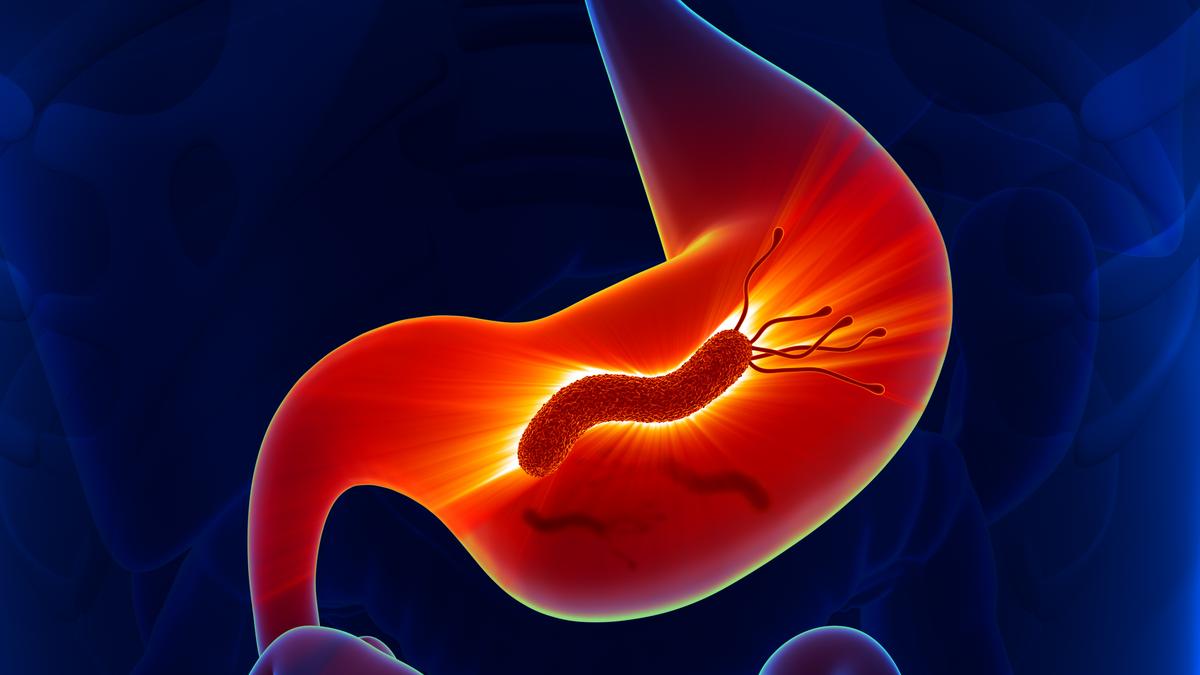
Nobel laureate Dr. Barry Marshall asserts that eradicating Helicobacter pylori (H. pylori) infection early could be a crucial strategy for preventing gastric cancer. H. pylori, which was discovered by Dr. Marshall and Robin Warren and awarded the 2005 Nobel Prize in Physiology or Medicine, is not only responsible for ulcers but can also cause chronic inflammation in the stomach, increasing the risk of gastric cancer if left untreated.
Dr. Marshall emphasizes the importance of widespread testing, appropriate treatment, and confirmation of successful eradication to prevent the progression to cancer. However, he notes that antibiotic resistance poses a significant challenge to this approach, as resistance patterns vary globally and locally. India, with its large population and high prevalence of H. pylori infection, is crucial for generating local evidence on bacterial strains, antibiotic effectiveness, and making testing and treatment accessible.
Brief written by urgent.news from The Hindu Health's own syndicated text. Machine-written — may contain errors; check the original before relying on it.
This story
This is one outlet's version. Read the fullest account.