Eradicating H. pylori can prevent gastric cancer, says Nobel laureate Barry Marshall
H. pylori is much more than an ulcer organism. If the infection persists for many years, it can cause chronic inflammation in the stomach and increase the risk of gastric cancer, says Dr. Marshall
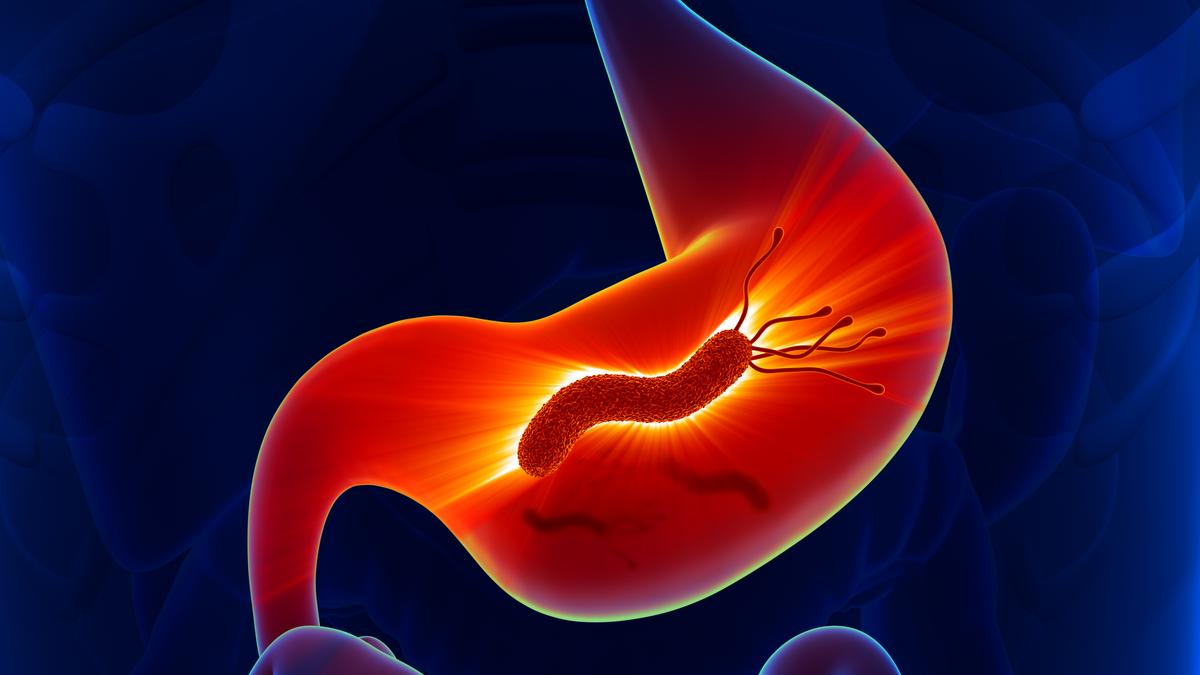
Nobel laureate Dr. Barry Marshall, a gastroenterologist, asserts that early eradication of Helicobacter pylori (H. pylori) infection could play a crucial role in preventing gastric cancer. H. pylori is more than just an ulcer-causing bacterium; it can lead to chronic inflammation and raise the risk of stomach cancer if left untreated for years.
Speaking at the World Congress of Gastroenterology (WCOG 2026) in India, Dr. Marshall emphasized the need for widespread testing, effective treatment, and confirmation that the infection has been cleared. The World Health Organization's International Agency for Research on Cancer (IARC) has endorsed population-based H. pylori screening and treatment programs in areas where benefits outweigh potential harms.
However, antibiotic resistance is a significant concern, as rising resistance threatens the effectiveness of current H. pylori treatment regimens. Dr. Marshall highlighted the importance of antibiotic stewardship, using local resistance patterns, and follow-up testing to ensure successful eradication. India, with its large population and high H. pylori infection rates, can contribute valuable evidence on local bacterial strains and antibiotic resistance patterns.
Dr. Marshall also introduced PYtest, a quick and non-invasive breath test that detects H. pylori infection in just 15 minutes. This test could help Indian doctors identify active infections and facilitate early prevention efforts. Gastric cancer is a major global health issue, particularly in Asian regions, underscoring the urgency of prevention strategies.
Written by urgent.news from The Hindu - Sci-Tech's reporting — not their text. Machine-written — may contain errors; check the original before relying on it.